
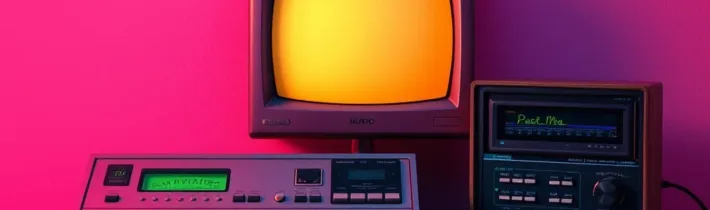
For years, the devices associated with the 1990s seemed destined for storage closets and thrift-store shelves. Cassette decks, film cameras, bulky stereo systems, CRT televisions, and cartridge-based consoles were treated as relics of a less convenient era. Yet each has found a renewed audience. The comeback is not a full return to 1995. Most people still use smartphones, streaming services, cloud backups, and modern appliances. The appeal is more selective: people are rediscovering technologies that are physical, repairable, social, and pleasantly unintuitive.
Nostalgia Is a Filter, Not a Return to 1995
The phrase 90s analog tech covers a wide range of products, including cassette players, CD players, film cameras, VHS decks, CRT televisions, boom boxes, paper planners, and early handheld game systems. Some were entirely analog, while others combined analog and digital components. The common thread is not a single technology but a relationship with objects: you can hold the media, turn a dial, read a label, or watch a mechanism work.
Nostalgia also works differently for different generations. Older users may remember using these tools at home, school, or work. Younger users may discover them through family attics, vintage shops, music releases, online communities, or the visual language of 90s pop culture. That difference matters. For some people, the appeal is memory; for others, it is curiosity, design, or a welcome change from touchscreens.
The most useful way to approach the trend is not to ask which device is superior. Ask what experience you want. Do you want a slower way to listen to music, a more deliberate photography practice, a shared game night, or a workspace that is not dominated by notifications? The comeback becomes meaningful when a vintage device serves a specific purpose rather than replacing every modern convenience.
Physical Media Makes Attention Feel Deliberate
Cassettes, CDs, and VHS tapes ask for a small act of commitment. Before listening or watching, you choose the object, inspect it, insert it, and often select a side or menu. There is no infinite playlist quietly waiting in the background, and changing the experience usually requires a conscious decision.
That friction can make ordinary routines feel more intentional. A cassette commute might become a chance to hear an album from beginning to end. A CD collection can encourage you to notice track order, liner notes, and the artwork that streaming thumbnails often minimize. A family movie night can begin with choosing a VHS tape or disc and end with a conversation about the cover, the story, or a favorite scene.
Physical media also preserves a sense of ownership, although the details vary by format and provider. Keep the collection in a cool, dry place, away from direct sunlight, moisture, and strong magnets. Store cassettes in their cases, avoid forcing a stuck tape out of a deck, and use the correct power supply for portable equipment. A VHS player that has been unused for many years may need professional cleaning before it is used regularly.
The practical benefit is not that every analog format is faster or higher quality. It is that the process creates boundaries. Choose one album for a walk, one movie for a weekend, or one mixtape to make for someone. The limitation is part of the experience, provided you are using equipment that is safe and functioning properly.
Film Cameras Turn Photographs Into a Process
Nineties film cameras range from simple point-and-shoot models to single-lens reflex cameras and early autofocus systems. Their comeback is closely connected to a desire for slower, more tactile creativity. A roll of film contains a fixed number of exposures, so each photograph requires a little more attention to composition, focus, and timing.
Film does not automatically produce better images. Lighting, lens condition, camera maintenance, and technique still matter. What changes is the rhythm. You may spend less time deleting dozens of near-identical pictures and more time deciding what is worth capturing. The delay before seeing the results can also make the final images feel more memorable, although that is a personal response rather than a guarantee.
A sensible way to start is to choose a basic camera that is easy to operate and have it checked if you are unsure about its condition. Look for a working shutter, clean viewfinder, intact battery compartment, and no obvious light leaks. Replace old batteries promptly, especially if they show signs of corrosion. Begin with a short roll instead of buying a large quantity of film, and learn the camera’s exposure settings before relying on it for an important event.
Keep a simple photo log with the date, location, film type, and approximate exposure. This makes processing and future troubleshooting easier. If you use expired film, test it with ordinary subjects first because age and storage conditions can affect results. After developing the roll, save the negatives and scan only the images you value. That creates a manageable digital archive without turning the film habit into another endless stream.
Game Consoles Bring Play Back Into the Same Room
Many popular 90s game systems emphasized local multiplayer, physical cartridges, and controllers that invited people to gather around one screen. Whether the memory comes from a living room console or a handheld game system, the social pattern is familiar: everyone can see the same moment, react together, and take turns.
This does not make older games better than modern ones. Digital stores offer easier access, automatic updates, remote play, and extensive libraries. Analog-style gaming appeals to people who want a particular controller, a collectible cartridge, a shared couch experience, or a game that feels disconnected from constant online notifications.
Before buying a vintage console, check the power requirements and inspect the cables for fraying, corrosion, or loose connections. Never use an adapter with an incompatible voltage or connector. Compatibility with modern televisions can vary, so research the correct display cable or an adapter designed for that model before making a purchase. Old controllers may need fresh batteries, and a console that has sat unused should be inspected rather than assumed to work immediately.
Make the experience social by setting a simple plan. Invite friends over for one or two games, keep the original manuals nearby, and let players choose between classic cartridges and a modern collection. The point is not to reject digital gaming but to decide when shared, physical play adds something that a private screen session does not.
Audio Hardware Gives Sound a Physical Shape
The 90s offered Walkmans, boom boxes, stereo receivers, cassette decks, CD players, and a wide variety of headphones. Many of these devices use visible controls and physical connections. Turning a knob, sliding a volume control, or plugging in headphones can make listening feel less like an invisible command and more like an activity.
A vintage stereo setup does not need to be elaborate. One pair of comfortable headphones and a small speaker may be enough to create a dedicated listening period. Choose music deliberately, lower the volume to a comfortable level, and take breaks if your ears feel tired. Physical controls can be helpful for people who appreciate clear feedback, although old buttons and jacks may require maintenance.
Store portable players away from heat and moisture, and remove batteries when they will not be used for a long time. Do not continue using a device with a swollen battery, damaged cord, unusual smell, or excessive heat. Vintage audio equipment can be enjoyable, but safety should come before preserving the look of the device. A qualified technician can help with internal repairs, while routine cleaning and proper storage can prevent many avoidable problems.
Paper Tools Create a Manageable Boundary
Analog technology is not limited to electronics. The 90s also produced a recognizable culture of planners, notebooks, sticky notes, calendars, and handwritten lists. These tools remain popular because they offer a visible boundary: the page has a beginning and an end, and the information does not multiply endlessly across apps.
A paper system can work especially well when digital tools are useful but distracting. Try a weekly planning routine on Sunday or Monday. Write down appointments in a digital calendar, then use a notebook for priorities, ideas, and reminders that benefit from handwriting. Choose three important tasks for the day instead of copying an entire to-do list onto a fresh page.
Review the system once a week. Move unfinished tasks deliberately, discard items that no longer matter, and scan important pages if you need a searchable backup. Avoid maintaining several unrelated lists unless there is a clear reason for each one. The goal is not to imitate a particular 90s aesthetic; it is to reduce friction and make it easier to see what deserves attention.
The same principle applies to mixtapes and handwritten labels. Recording a mix can become a thoughtful way to introduce someone to music, while a labeled cassette collection can be easier to browse than a folder of unnamed files. These small rituals turn technology into a personal archive rather than an endless stream.
Why the Comeback Feels Fresh Now
Digital life is fast, searchable, and continuously available. That convenience is valuable, but it can also make every activity feel replaceable and every device feel like an entry point to work, news, shopping, or social comparison. Analog tools offer a different tempo. They are less seamless, which can make them feel more present.
The trend is also connected to repair and reuse. A person who learns to replace a cassette deck battery, clean a camera lens, or troubleshoot a game console may develop a more practical understanding of how technology is made. Online communities share maintenance advice, sourcing tips, and restoration stories. That knowledge can make old devices feel less like disposable mysteries.
Sustainability deserves a careful explanation. Reusing an existing camera, console, or stereo can extend its life and reduce the urge to buy something new. It is not automatically sustainable, however. Old electronics may use more energy, contain batteries that need responsible handling, or require parts that are difficult to replace. Buying secondhand, repairing what is worth repairing, and recycling electronics through appropriate programs are more responsible choices than collecting working devices that immediately become clutter.
The comeback is therefore a response to abundance as much as nostalgia. People are not rejecting progress. They are choosing a few meaningful, hands-on experiences alongside the tools that make modern life easier.
A Practical Way to Bring 90s Tech Home
Start with a purpose rather than a shopping list. If you want a calmer morning, try a paper planner and a CD or cassette player. If you want a creative hobby, begin with one film camera and one roll of film. If you want more time with friends, choose a console with a reliable display setup and a small group of games.
Build in the hidden costs. Film cameras require film, processing, and possibly maintenance. Game consoles may need correct cables, controllers, batteries, or display adapters. Audio equipment may need replacement batteries, cleaning, or repair. A thrift-store bargain can become expensive if it needs more work than you are willing to do.
Test equipment before committing to a project. Try the shutter, controls, speakers, loading mechanism, and power connection. Read the manual when one is available. Keep the original packaging and documentation if they help you maintain the device, but do not treat every object as too fragile to use. A useful vintage tool should fit your routine.
Make safety part of the plan. Never open a CRT television or monitor yourself; internal capacitors can remain dangerous even after the device is unplugged. Use only compatible power supplies, inspect cords regularly, and unplug equipment that becomes unusually hot. Remove leaking batteries and seek appropriate repair help.
Try the experiment for 30 days. Use the device for its intended purpose, note what feels enjoyable, and identify what feels inconvenient. You may discover that a cassette player belongs in your weekend routine but not your daily commute. That is a successful result. The comeback works best when old technology is chosen with intention, not when it is used as an excuse to abandon everything modern.
Community and Online Culture Around Retro Tech
The resurgence of 90s analog technologies is deeply intertwined with online communities that share knowledge, resources, and enthusiasm. Platforms like Reddit, Discord, and specialized forums such as Analog.Cafe or Vinyl Collective provide spaces for enthusiasts to discuss restoration techniques, troubleshoot malfunctions, and trade equipment. For example, the r/vintageradios subreddit hosts detailed threads on repairing tube amplifiers, while YouTube channels like “Techmoan” showcase the inner workings of obsolete devices, from 1990s CD players to obscure audio gear. These communities also facilitate the sharing of repair manuals, firmware dumps, and sourcing tips for hard-to-find parts like RCA cables or CMOS batteries. Edge cases include niche markets for rare items, such as unreleased prototype cartridges or limited-edition cassette releases, which are often traded through private messages or auction sites. The collaborative nature of these spaces not only prolongs the lifespan of vintage devices but also teaches new generations practical skills like soldering, circuit analysis, and mechanical restoration. For instance, a novice learning to replace a Walkman’s rubber drive belt through a step-by-step video tutorial gains both technical proficiency and a tangible connection to the device’s history.
Modern Applications and Hybrid Workflows
While 90s analog tech rarely replaces modern tools entirely, it often integrates into hybrid workflows that blend old and new. Musicians, for example, use cassette decks to create lo-fi textures or to archive recordings before digitizing them. The deliberate nature of recording onto tape forces artists to curate sounds more carefully, avoiding the endless overdubs common in digital audio workstations. Similarly, photographers might shoot on 35mm film for special occasions, then scan the negatives for digital editing—a practice embraced by professionals who value film’s unique color rendition and grain structure. Gamers frequently combine retro consoles with modern displays, using RGB-to-HDMI converters to connect a Super Nintendo to a 4K television while preserving the original’s pixel-perfect output. Edge cases emerge when using obsolete formats with contemporary tools, such as playing a Game Boy Color via a USB capture card for streaming retro gameplay. This hybrid approach allows users to harness the nostalgia and tactile feedback of analog devices while leveraging modern convenience for storage, sharing, or accessibility. Even in office settings, some designers still use paper planners alongside digital calendars, preferring the physical act of writing to reinforce memory retention, a phenomenon supported by research on handwriting’s cognitive benefits.
Sensory and Tactile Engagement
The physicality of 90s analog tech engages senses in ways digital interfaces cannot replicate. The weight and texture of a Walkman in hand, the tactile click of a cassette’s spools, or the soft hum of a CRT television’s power supply create a visceral experience that many users find grounding. Film cameras, for instance, require users to manually advance frames, fostering mindfulness through deliberate action. The delay between taking a photo and seeing the result encourages patience and precision, contrasting sharply with the instant gratification of smartphone cameras. Edge cases include the use of analog equipment in sensory therapy, such as occupational therapists incorporating vintage cameras or record players to help patients with motor skill development or stress reduction. The audible feedback of a VCR ejecting a tape or a boombox’s speaker rattling provides a sense of completion that digital actions often lack. Even the visual aesthetics—CRT screen glow, cassette label handwriting, or the metallic sheen of a CD spindle—contribute to a multisensory environment that digital tools struggle to emulate. This engagement with physicality extends to music consumption, where the ritual of placing a vinyl record or inserting a cassette becomes a mindful pause in an otherwise screen-dominated day.
Educational and Skill-Building Value
Restoring or maintaining 90s analog devices often involves learning foundational technical skills that are rarely taught in modern education. Repairing a Sony Walkman might require understanding how to desolder a corroded battery terminal or calibrate a tape deck’s azimuth alignment. Similarly, servicing a film camera involves tasks like replacing light seals, adjusting shutter speeds, or cleaning a mirror—skills that complement contemporary knowledge of electronics and mechanics. Online tutorials demystify these processes, with channels like “iFixit” providing detailed guides for everything from swapping a Game Boy’s screen to refurbishing a stereo receiver. Edge cases include hobbyists who build custom solutions, such as 3D-printing replacement parts for obsolete VCRs or modifying vintage amplifiers with modern components. These projects not only extend device lifespans but also cultivate problem-solving abilities and a deeper appreciation for engineering principles. Schools and makerspaces have begun incorporating analog repair into STEM curricula, recognizing its value in teaching systems thinking and hands-on experimentation. For example, students might disassemble a discarded CD player to study its laser mechanism, then rebuild it with updated components. This blend of nostalgia and practical learning underscores the educational potential of analog technologies beyond mere sentimentality.
Professional and Artistic Applications
While 90s analog tech may seem purely recreational, several professionals and artists continue to leverage its unique qualities. Photographers, for instance, use film cameras to achieve a distinctive look that digital sensors struggle to mimic, particularly in terms of grain and dynamic range. Fashion and product photographers often prefer 35mm or medium format film for its organic color shifts and imperfections, which add authenticity to editorial spreads. Similarly, musicians in genres like lo-fi hip-hop or ambient electronic music frequently record onto cassette tapes to introduce subtle saturation and compression that enhance their signature sound. Edge cases include experimental artists who repurpose obsolete gear, such as using a VHS player’s servo motor to create kinetic art installations or repurposing a CRT’s phosphor coating for DIY electronics projects. In film editing, some directors still use analog tape decks to splice footage, valuing the tactile control over digital timelines. Even in gaming, speedrunners occasionally use original hardware to ensure precise input lag measurements, as emulators cannot fully replicate the analog signal processing of vintage consoles. These applications demonstrate that analog tools retain relevance in creative fields where their inherent characteristics—imperfection, unpredictability, and physical interaction—add distinctive value to the final product.
Sustainability Beyond Simple Reuse
The environmental impact of reviving 90s analog tech extends beyond mere reuse, encompassing broader sustainability considerations. While buying secondhand reduces demand for new manufacturing, the energy efficiency of older devices often lags behind modern alternatives. For example, CRT televisions consume significantly more power than flat-panel displays, and film cameras require ongoing purchases of consumables like film and chemicals. However, the longevity of well-maintained analog gear can offset these drawbacks; a 1990s stereo receiver might outlast a modern plastic alternative, reducing e-waste over time. Edge cases include initiatives to recycle obsolete batteries and components, such as the EPA’s guidelines for handling lithium-ion cells or community e-waste drives that refurbish old electronics for resale. Some enthusiasts also advocate for “right to repair” legislation, arguing that access to service manuals and spare parts prolongs device lifespans and reduces landfill contributions. Additionally, the slow nature of analog workflows—like developing film or mixing on a physical console—can discourage the disposable mindset of digital culture, where files are constantly overwritten or discarded. By fostering a culture of repair and mindful consumption, the analog revival contributes to a more circular economy, where products are valued for their durability and historical significance rather than their disposability.
Cultural Influence on Modern Design
The aesthetic and cultural legacy of 90s analog tech profoundly influences contemporary design and branding. The chunky, geometric forms of 1990s electronics—exemplified by Sony’s Walkman or Apple’s early iMac G3—have resurfaced in modern products, from retro-styled Bluetooth speakers to minimalist planners that emulate the layout of Filofax organizers. Startups like Groove Music and Polaroid Originals explicitly market their products as nods to analog nostalgia, blending vintage aesthetics with digital functionality. Edge cases include the use of analog-inspired UI elements in software, such as music production apps that mimic the interface of 90s-era MIDI controllers or video editing tools that simulate the drag-and-drop workflow of early non-linear systems. Even in architecture, the warm glow of CRT screens has influenced lighting design, with some studios incorporating amber-hued LEDs to evoke a retro-futuristic ambiance. This cultural resonance is not merely superficial; designers recognize that analog objects carry emotional associations with authenticity and craftsmanship, qualities that resonate in an era dominated by seamless, algorithm-driven interfaces. By integrating these elements into modern contexts, brands create products that feel both familiar and innovative, appealing to consumers seeking a tactile counterpoint to digital abstraction.
FAQ: Common Questions About the 90s Tech Comeback
Is using old technology actually more sustainable?
It can be, but only in certain circumstances. Reusing a camera, console, stereo, or planner instead of buying a new equivalent may reduce waste and extend the life of an existing product. Repairing a device can also build useful skills. However, old electronics may consume more energy, have scarce replacement parts, or contain batteries and materials that require careful disposal. The most responsible approach is to buy secondhand when possible, repair items that are worth maintaining, avoid impulse collecting, and recycle electronics through a proper program.
Will a 90s film camera work today?
Some will, but condition matters more than the year. A camera that has been stored properly may work well, while one exposed to humidity may have degraded rubber parts, cloudy optics, or light leaks. Check the shutter, lens, meter if it has one, battery compartment, and film door before buying. Remove old batteries immediately, and consider a professional inspection for an expensive model. Start with inexpensive film and ordinary subjects so you can learn without risking an important occasion.
How can I start a retro technology hobby without spending much?
Choose one format and define a small goal. A paper planner may cost little beyond a notebook, while a cassette mix can use media you already own. For film photography, begin with one short roll and a basic camera rather than a large collection. For gaming, borrow or buy one working console and one familiar game before pursuing rare cartridges. Set a total budget that includes batteries, cables, film, processing, or repairs so a low purchase price does not hide unexpected costs.
Can analog technology replace my smartphone or digital tools?
Usually, it is more practical to use them together. A film camera can capture a special moment, while a smartphone stores maps, reminders, and digital backups. A paper planner can organize priorities, while a calendar app handles appointments and travel notifications. The key is to decide which task each tool performs best. If an analog device makes an activity more enjoyable or focused, keep it; if it creates avoidable stress, use a hybrid routine.
Why are younger people interested in technology from decades ago?
Interest is not limited to personal memory. Vintage design, archived music and films, repair communities, and social media have made older objects easier to discover. Many younger users are drawn to the
Related posts:
 The Coolest Fitness and Wellness Tech from CES 2018
 Everything You Need to Know About Theragun and Percussive Therapy
 Your Complete Guide to At-Home Skincare Devices
 Jimmyjane Deimos Ring Review
 Grounded: Why Smart Luggage Got Banned and What Travelers Need to Know
 Dame Products Review
 New Tool Detects Melanoma Through Temperature
 Digital Minimalism: The Art of Less Screen, More Life