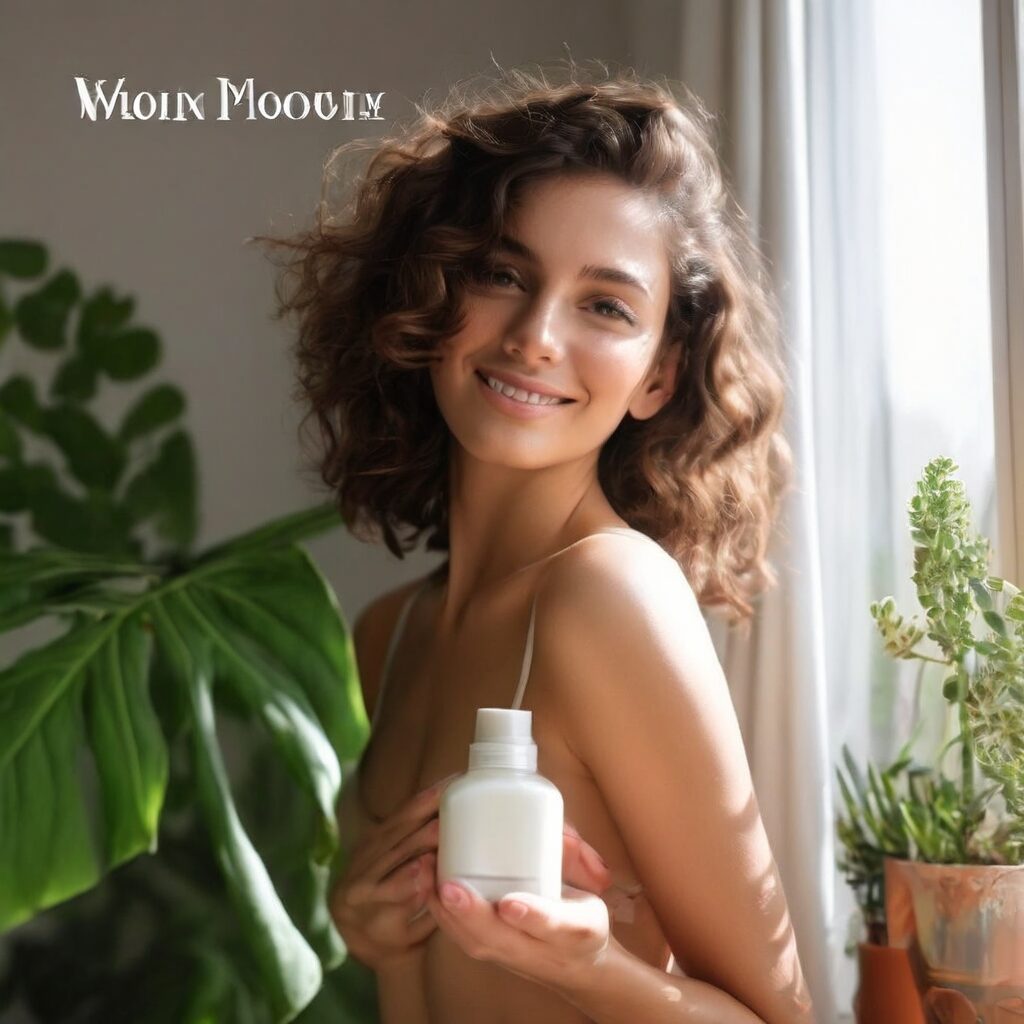
The Importance of Hydration
Body lotion is more than a luxury; it is a necessity for maintaining healthy, hydrated skin. Our skin is the largest organ of the body, and it requires proper care to function optimally. Regular use of body lotion helps to lock in moisture, preventing dryness and flakiness.
Benefits of Using Body Lotion
Using body lotion can provide numerous benefits, including:
- Moisturization: Body lotion helps to keep the skin hydrated and smooth.
- Improved Elasticity: Regular application can improve skin elasticity, making it look firmer and more youthful.
- Protection: It creates a barrier that protects the skin from environmental damage and pollutants.
- Relief from Skin Conditions: It can provide relief for conditions such as eczema, psoriasis, and dermatitis.
How to Choose the Right Body Lotion
Choosing the right body lotion depends on your skin type and specific needs. Here are some tips:
- For Dry Skin: Look for lotions with ingredients like shea butter, glycerin, and hyaluronic acid.
- For Oily Skin: Opt for lightweight, non-comedogenic lotions that won’t clog pores.
- For Sensitive Skin: Choose fragrance-free and hypoallergenic lotions to avoid irritation.
When to Apply Body Lotion
For maximum benefits, apply body lotion immediately after showering when your skin is still damp. This helps to lock in moisture. It is also beneficial to apply lotion before bed to keep your skin hydrated overnight.
Natural vs. Synthetic Ingredients
When selecting a body lotion, consider the ingredients. Natural ingredients like aloe vera, coconut oil, and chamomile are generally gentler on the skin. Synthetic ingredients may provide quick results but can sometimes cause irritation or long-term damage.
The Architecture of the Skin Barrier: Understanding the Bricks and Mortar
To truly appreciate why body lotion is a non-negotiable part of a health regimen, one must look beneath the surface at the stratum corneum, the outermost layer of the epidermis. Often described using the “bricks and mortar” analogy, this structure consists of corneocytes (the bricks) held together by a complex matrix of intercellular lipids (the mortar). These lipids, primarily composed of ceramides, cholesterol, and free fatty acids, are responsible for maintaining the skin’s impermeability. When this lipid matrix is depleted—whether through harsh cleansing, aging, or environmental exposure—microscopic cracks form in the skin barrier.
This breakdown leads to a phenomenon known as Transepidermal Water Loss (TEWL). TEWL is the process by which water passes from the dermis through the epidermis and evaporates into the atmosphere. Body lotion serves as a supplemental “mortar,” filling these gaps and reinforcing the barrier. Modern formulations often incorporate bio-identical lipids, such as Ceramide NP or Ceramide AP, which mimic the skin’s natural oils to repair the barrier at a molecular level. By understanding that lotion is a structural support system rather than just a cosmetic coating, users can better select products that target the actual physiological needs of their skin, ensuring that the internal hydration provided by water intake actually stays within the body.
The Chemistry of Formulation: Humectants, Emollients, and Occlusives
Not all body lotions function in the same way, and the most effective products utilize a strategic balance of three distinct types of ingredients: humectants, emollients, and occlusives. Humectants are water-loving molecules that draw moisture into the skin. Common examples include Hyaluronic Acid, which can hold up to 1,000 times its weight in water, and Urea, which also acts as a mild keratolytic to soften thick skin. Glycerin, perhaps the most ubiquitous humectant, pulls moisture from the deeper layers of the skin and even from the air in humid environments to saturate the surface cells.
Emollients, such as Squalane, Jojoba Oil, and various fatty alcohols, function by filling the spaces between skin flakes with oil droplets. They are the primary agents responsible for the immediate “smoothing” effect of a lotion, improving skin texture and flexibility. Finally, occlusives provide the protective seal. Ingredients like Petrolatum, Lanolin, and Dimethicone create a physical film on the skin’s surface that prevents TEWL. While a pure occlusive (like petroleum jelly) might feel too heavy for daily all-over use, a well-formulated body lotion emulsifies these three categories into a breathable, pleasant texture. Understanding this trifecta allows consumers to troubleshoot their skin: if skin feels tight, it needs humectants; if it feels rough, it needs emollients; and if it dries out immediately after application, it needs a stronger occlusive component.
Targeted Solutions for Keratosis Pilaris and “Strawberry Legs”
Beyond general dryness, body lotion is an essential therapeutic tool for common skin conditions like Keratosis Pilaris (KP) and folliculitis, often colloquially referred to as “strawberry legs.” KP occurs when the body overproduces keratin, which then plugs the hair follicles, resulting in small, rough bumps typically found on the back of the arms and thighs. Standard moisturizing lotions are often insufficient for KP; instead, specialized treatment lotions containing chemical exfoliants are required. Alpha Hydroxy Acids (AHAs) like Lactic Acid or Glycolic Acid work to dissolve the protein bonds holding the dead skin cells together, effectively “unplugging” the follicles while simultaneously hydrating the skin.
For those dealing with the dark pores or small bumps associated with shaving—often caused by trapped sebum or ingrown hairs—incorporating a lotion with Salicylic Acid (a Beta Hydroxy Acid) can be transformative. Because Salicylic Acid is oil-soluble, it can penetrate deep into the pore to clear blockages. When combined with soothing agents like Niacinamide (Vitamin B3), these lotions not only smooth the skin’s texture but also reduce redness and post-inflammatory hyperpigmentation. This specialized approach moves body lotion from the realm of basic hygiene into the realm of active dermatological treatment, addressing specific textural concerns that cannot be solved by cleansing alone.
The Impact of Environmental Stressors and Hard Water
The environment in which we live dictates the skin’s hydration needs more than most realize. One of the most overlooked factors is the mineral content of the water used for bathing. “Hard water” contains high concentrations of calcium and magnesium, which can react with the fatty acids in soaps to create a residue known as “soap scum.” This residue stays on the skin, clogging pores and stripping away natural oils, leading to chronic dryness and irritation. Applying a pH-balanced body lotion immediately after contact with hard water helps to neutralize these minerals and restore the skin’s acidic mantle, which typically sits between a pH of 4.5 and 5.5.
Seasonal shifts also demand a change in lotion strategy. In winter, central heating systems strip the air of humidity, causing the skin to lose moisture rapidly to the dry environment. This often requires a move toward “creams” or “balms” which have a higher oil-to-water ratio. Conversely, in summer, increased UV exposure and air conditioning can dehydrate the skin without making it feel dry in the traditional sense. Sun damage specifically degrades the skin’s ability to retain moisture by damaging the DNA of skin cells and breaking down collagen. Using lotions enriched with antioxidants like Vitamin E, Green Tea extract, or Resveratrol can help mitigate the oxidative stress caused by environmental pollutants and UV radiation, acting as a second line of defense behind sunscreen.
Advanced Application Techniques: Slugging and Layering
To maximize the efficacy of body lotion, one can borrow techniques from advanced facial skincare, such as “slugging” and moisture layering. Slugging involves applying a standard hydrating lotion and then topping it with a thin layer of a heavy occlusive ointment, such as those based on petrolatum. This creates an airtight seal that forces the active ingredients of the lotion deeper into the epidermis and prevents almost all TEWL overnight. This is particularly effective for “hot spots” of dryness like the heels, elbows, and knees, which have fewer sebaceous glands and are prone to painful cracking.
Another technique is the “Damp-Skin Method,” which leverages the principles of osmosis. When skin is slightly damp, it is more permeable, allowing the lotion to glide on more easily and trap the water already on the surface. For an even more luxurious and effective treatment, many dermatologists recommend layering a body oil over a lotion. While oils are excellent emollients, they often lack the humectant properties of lotions. By applying the lotion first to hydrate the skin and then the oil to seal it in, you create a comprehensive barrier that mimics the skin’s natural sebum. This layering approach is especially beneficial for aging skin, which naturally loses its ability to produce oils and retain moisture simultaneously.
Nurturing the Microbiome and the Acid Mantle
The skin is home to a complex ecosystem of bacteria, fungi, and viruses known as the skin microbiome. A healthy microbiome is essential for preventing infections, reducing inflammation, and maintaining the skin’s physical barrier. However, many body washes and environmental factors are alkaline, which can disrupt this delicate balance. Body lotions formulated with prebiotics (like thermal spring water or alpha-glucan oligosaccharides) and postbiotics (like fermented extracts) help to feed the beneficial bacteria on the skin, ensuring they can outcompete harmful pathogens like Staphylococcus aureus, which is often linked to eczema flares.
Maintaining the “acid mantle”—the thin, slightly acidic film on the surface of the skin—is the other half of this equation. This acidity is the skin’s primary defense against microbial overgrowth and environmental damage. Many high-quality body lotions are specifically buffered to a pH of 5.5 to support this barrier. When the pH is thrown off, the enzymes responsible for shedding dead skin cells and synthesizing lipids cannot function properly, leading to dullness and sensitivity. By regularly applying a pH-corrective lotion, you are not just moisturizing; you are maintaining a biological shield that protects the body from the microscopic world.
The Role of Body Lotion in Mechanical and Thermal Stress Recovery
Everyday activities subject the skin to significant mechanical and thermal stress. Shaving, for instance, is a form of physical exfoliation that removes the top layer of the stratum corneum along with the hair. This leaves the skin vulnerable to “razor burn” and dehydration. A post-shave lotion containing soothing agents like Allantoin, Bisabolol (derived from chamomile), or Centella Asiatica can accelerate the healing of micro-tears and calm the inflammatory response. Similarly, friction from tight clothing or exercise can cause chafing, which weakens the skin barrier. A lotion with high slip and protective silicones can act as a lubricant, preventing this mechanical damage before it starts.
Thermal stress, whether from hot showers or cold wind, also takes a toll. Hot water causes the capillaries to dilate and can strip away the essential oils that keep skin cells cohesive. This often results in “winter itch” or pruritus. Applying a lotion with cooling and anti-itch ingredients like Menthol or Camphor, combined with barrier-repairing lipids, can provide immediate relief. Furthermore, for those who spend time in chlorinated pools or salt water, body lotion is essential for removing the drying residues of these chemicals and re-saturating the skin cells. In these contexts, body lotion acts as a recovery supplement, much like a protein shake for muscles, allowing the skin to bounce back from the daily rigors of modern life.
FAQ
1. Can body lotion be used on the face?
It is best to use products specifically formulated for the face, as the skin on your face is more delicate and may react differently to body lotion.
2. How often should I apply body lotion?
Applying body lotion at least once daily is recommended, but for very dry skin, you may need to apply it more frequently.
3. Can body lotion help with stretch marks?
While body lotion can improve skin elasticity and hydration, it may not completely remove stretch marks. However, it can help to minimize their appearance over time.
4. Is it necessary to use different lotions for different seasons?
Yes, during colder months, you may need a thicker, more hydrating lotion, while in warmer months, a lighter lotion may suffice.
5. Are there any side effects of using body lotion?
Most body lotions are safe for regular use, but some individuals may experience allergic reactions or irritation to certain ingredients. Always perform a patch test before using a new product extensively.
Related posts:
 Foundation’s Impact on Skin
 PHA Bodyweight Workout: Efficient Fitness Anywhere, Anytime
 The Best Toners for Acne-Prone Skin That Won’t Strip Your Face
 The Best Natural Tools for Silky Smooth Skin
 Proper Order of Skincare Application
 The Slow Beauty Movement’s Secret Hydration Recipes
 Spring Awakening: The Hydrating Serums Your Winter Skin Is Craving
 The Best Drugstore Body Products Worth Your Money