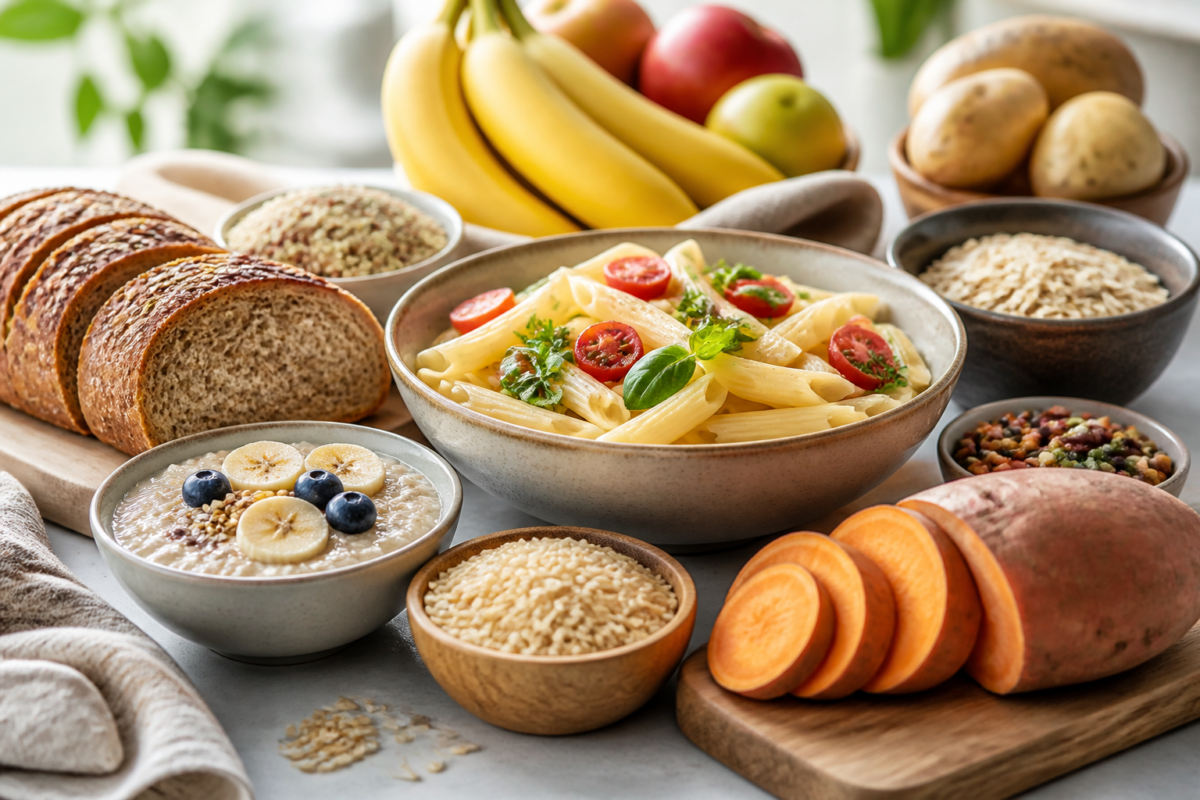
For the better part of the last three decades, carbohydrates have been cast as the ultimate dietary villain. From the rise of the Atkins diet in the early 2000s to the modern-day obsession with Keto and carnivore lifestyles, the message has been loud and clear: if you want to lose weight or be healthy, you must fear the carb. This cultural narrative has led many to view a slice of sourdough or a bowl of brown rice with the same suspicion one might reserve for a toxic chemical. However, when we strip away the marketing hype and the sensationalized headlines, the scientific reality is far more nuanced. Carbohydrates are not only a fundamental macronutrient but also the body’s preferred source of energy.
Understanding why carbohydrates are essential requires us to move past the binary of “good” versus “bad.” Instead, we must look at how the body processes different types of energy and how a balanced approach to nutrition can lead to more sustainable health outcomes than restrictive dieting ever could. In this guide, we will explore the biological necessity of carbohydrates, debunk common myths surrounding insulin and weight gain, and provide actionable advice on how to integrate quality carbs into a lifestyle that supports your physical and mental well-being.
Understanding What Carbohydrates Actually Are
To understand why carbs aren’t the enemy, we first need to define what they are. At their most basic level, carbohydrates are molecules made up of carbon, hydrogen, and oxygen. When consumed, your body breaks them down into glucose, which is the primary sugar found in your blood and the main source of energy for your body’s cells, tissues, and organs.
Carbohydrates are generally categorized into three main types: sugars, starches, and fiber. Sugars are simple carbohydrates found naturally in fruits and milk, or added to processed foods. Starches are complex carbohydrates made of many sugar units bonded together, found in vegetables, grains, and beans. Fiber is also a complex carbohydrate, but unlike sugar and starch, it cannot be fully broken down by the body. Instead, it passes through the digestive system, providing a range of health benefits from regulating blood sugar to feeding beneficial gut bacteria.
The distinction between “simple” and “complex” is where much of the confusion lies. Simple carbohydrates, like those found in table sugar or white flour, are digested quickly, leading to rapid rises in blood glucose. Complex carbohydrates, found in whole grains and legumes, take longer to break down because of their molecular structure and fiber content. This slower digestion provides a steady, sustained release of energy rather than a spike and subsequent crash. By recognizing that not all carbs are created equal, we can stop demonizing an entire food group and start choosing the versions that best serve our physiological needs.
The Biological Necessity: How Your Brain and Muscles Use Glucose
The human body is an incredible machine designed for survival, and glucose is its high-octane fuel. While the body can technically produce energy from fats (through ketosis) or proteins (through gluconeogenesis), these are secondary, “emergency” pathways. The brain, in particular, is a glucose-dependent organ. Despite weighing only about 2% of your total body mass, the brain consumes roughly 20% of your daily glucose-derived energy. When glucose levels drop too low, cognitive functions like focus, memory, and decision-making begin to suffer.
Beyond the brain, your muscles rely heavily on stored carbohydrates, known as glycogen. When you engage in physical activity—whether it’s a brisk walk, a weightlifting session, or chasing your children around the park—your muscles tap into these glycogen stores for quick energy. If you are chronically low on carbohydrates, your body may begin to break down muscle tissue to convert amino acids into glucose, which is counterproductive for anyone looking to maintain a healthy metabolism or build strength.
Furthermore, carbohydrates play a vital role in “protein sparing.” When you consume enough carbohydrates, your body uses them for energy instead of using protein. This allows the protein you eat to be used for its primary purpose: repairing tissues, building muscle, and producing hormones. Without adequate carbs, your expensive protein powder or grass-fed steak is essentially being burned as expensive, inefficient fuel rather than being used for structural repair.
Fiber: The Unsung Hero of Gut Health and Weight Management
One of the most significant casualties of the low-carb movement is fiber intake. Because fiber is technically a carbohydrate, many people on restrictive diets inadvertently slash their fiber intake to dangerously low levels. Fiber is essential for a multitude of reasons, starting with digestive regularity. It adds bulk to the stool and helps move waste through the intestines, preventing constipation and reducing the risk of colorectal issues.
However, the benefits of fiber go far beyond the bathroom. Fiber is a powerful tool for weight management because it promotes satiety. Foods high in fiber, such as lentils, chia seeds, and cruciferous vegetables, take longer to chew and occupy more space in the stomach. This triggers stretch receptors that signal to the brain that you are full, helping to prevent overeating naturally without the need for meticulous calorie counting.
Additionally, we must consider the gut microbiome. The trillions of bacteria living in your digestive tract thrive on “prebiotic” fibers found in plant-based carbohydrates. A healthy, diverse microbiome is linked to improved immunity, reduced inflammation, and even better mental health. By cutting out carbohydrates like onions, garlic, oats, and bananas, you are essentially starving the beneficial bacteria that keep your internal ecosystem in balance. A diet rich in diverse carbohydrates is, in many ways, a diet rich in life-sustaining fiber.
The Myth of the “Insulin Spike” and Fat Storage
The central argument against carbohydrates often revolves around insulin. The “Carbohydrate-Insulin Model” of obesity suggests that eating carbs raises insulin, and because insulin is a storage hormone, it automatically locks fat into cells and prevents weight loss. While this sounds logical on the surface, it is a gross oversimplification of human physiology. Insulin is indeed a storage hormone, but its presence does not override the laws of thermodynamics.
Weight gain occurs when there is a chronic energy surplus—meaning you consistently consume more energy than your body uses. You can gain weight on a high-fat, zero-carb diet if you are in a caloric surplus, just as you can lose weight on a high-carb diet if you are in a caloric deficit. In fact, many cultures around the world, such as the Okinawans in Japan or the Tsimane in Bolivia, have historically consumed diets very high in carbohydrates (from sweet potatoes and grains) while maintaining incredibly low rates of obesity and heart disease.
Insulin is also necessary for muscle protein synthesis and for transporting nutrients into cells. The goal should not be to eradicate insulin, but to maintain insulin sensitivity. This is achieved through regular movement, adequate sleep, and choosing complex carbohydrates that cause a gradual rise in blood sugar rather than the sharp spikes associated with highly processed sugars and refined flours. Blaming insulin alone for weight gain ignores the complex interplay of genetics, activity levels, and overall dietary patterns.
Carbohydrates and Athletic Performance: Fueling Your Workouts
If you enjoy any form of exercise, carbohydrates are your best friend. In the world of sports science, it is well-established that carbohydrates are the limiting factor for high-intensity performance. Whether you are performing a 30-minute HIIT workout or training for a marathon, your ability to maintain intensity is directly related to the amount of glycogen stored in your muscles and liver.
When athletes “hit the wall,” it is almost always a result of glycogen depletion. Without sufficient carbs, your perceived exertion increases—meaning the same workout feels significantly harder than it would if you were well-fueled. This often leads to a decrease in training volume and quality, which ultimately slows down progress. Furthermore, carbohydrates are essential for post-workout recovery. Consuming carbs after exercise triggers an insulin response that helps shuttle amino acids into muscle cells and replenishes the energy you just burned.
Even for the average gym-goer, avoiding carbs can lead to the “keto flu” or a general sense of lethargy that makes sticking to an exercise routine feel impossible. By strategically timing your carbohydrate intake around your workouts—eating a small amount of easily digestible carbs before and a more substantial portion of complex carbs after—you can maximize your performance and ensure your body has the resources it needs to recover and grow stronger.
The Mental Health Connection: Carbs and Serotonin
Have you ever noticed that you feel particularly irritable or “hangry” when you skip carbs? This isn’t just in your head; there is a biological basis for the connection between carbohydrates and mood. Carbohydrates are necessary for the production of serotonin, often referred to as the “feel-good” hormone. Serotonin plays a crucial role in regulating mood, sleep, and appetite.
The process works like this: when you eat carbohydrates, the resulting insulin spike helps clear other amino acids from the bloodstream, allowing tryptophan (an amino acid) to enter the brain more easily. Once in the brain, tryptophan is converted into serotonin. This is why many people find comfort in “comfort foods.” While we shouldn’t rely on processed snacks to manage our emotions, excluding carbohydrates entirely can lead to lower serotonin levels, which is associated with increased anxiety, depression, and sleep disturbances.
Furthermore, the brain requires a steady supply of glucose to maintain emotional regulation. When blood sugar levels are unstable due to extreme restriction, the brain perceives this as a stressor, triggering the release of cortisol and adrenaline. This can leave you feeling on edge and prone to mood swings. Including healthy carbohydrates in your meals helps maintain stable blood sugar and consistent serotonin production, fostering a more balanced and resilient mental state.
How to Choose Quality Carbs: A Guide to Nutrient Density
The secret to a healthy relationship with carbohydrates lies in selection. While a donut and a sweet potato are both carbohydrates, their impact on your health is vastly different. To get the most out of your carb intake, focus on “whole food” sources that come packaged with vitamins, minerals, and phytonutrients. These are often referred to as nutrient-dense carbohydrates.
Excellent sources of quality carbohydrates include:
- Tubers and Root Vegetables: Sweet potatoes, yams, beets, and carrots provide slow-burning energy along with Vitamin A and potassium.
- Whole Grains: Quinoa, brown rice, oats, buckwheat, and farro are rich in B vitamins and fiber.
- Legumes: Lentils, chickpeas, and black beans are unique because they provide a powerful combination of complex carbs and plant-based protein.
- Fruits: Berries, apples, citrus, and bananas offer natural sugars along with antioxidants and vitamin C.
- Cruciferous and Starchy Veggies: Broccoli, cauliflower, and peas provide essential fiber and micronutrients.
When shopping, a good rule of thumb is to look for carbohydrates that are as close to their natural state as possible. If a food has been heavily processed, its fiber has often been removed, and sugars or unhealthy fats have been added. By centering your diet around whole, plant-based carbohydrates, you ensure that every gram of carbohydrate you eat is also delivering a wealth of other health-promoting compounds.
Finding Your Personal Carb Tolerance: Bio-Individuality
One of the biggest mistakes in the nutrition world is the “one size fits all” approach. The amount of carbohydrates an individual needs can vary wildly based on their age, sex, activity level, and metabolic health. This concept is known as bio-individuality. A construction worker or a competitive athlete will naturally require a much higher carbohydrate intake than someone with a sedentary office job.
Metabolic health also plays a role. Individuals with insulin resistance or Type 2 diabetes may need to be more mindful of their carbohydrate portions and focus more heavily on high-fiber, low-glycemic options to maintain stable blood sugar. However, even in these cases, “low carb” does not have to mean “no carb.” It is about finding the “sweet spot” where you feel energized and your biomarkers remain in a healthy range.
To find your own carb tolerance, pay attention to how you feel after meals. Do you feel energized and satisfied, or do you feel sluggish and bloated? Do you have enough energy for your workouts? Are you sleeping well? If you are constantly fatigued or experiencing intense cravings, it may be a sign that your carbohydrate intake is either too low or consists of too many refined sources. Experimenting with different types and amounts of carbs can help you find a sustainable balance that works for your unique body.
Practical Strategies for Including Carbs in a Balanced Diet
Incorporating carbohydrates into your diet doesn’t mean you have to eat a mountain of pasta at every meal. The goal is balance and mindful pairing. One of the most effective ways to manage blood sugar and stay satisfied is to use the “Plate Method.” Fill half your plate with non-starchy vegetables (like spinach or broccoli), one-quarter with high-quality protein (like chicken, fish, or tofu), and the final quarter with a complex carbohydrate (like quinoa or a roasted potato).
Another key strategy is pairing. Never eat “naked” carbohydrates—meaning, don’t eat carbs in isolation. When you pair a carbohydrate with a source of protein and healthy fat, you slow down the absorption of glucose into the bloodstream. For example, instead of eating a plain apple, have it with a tablespoon of almond butter. Instead of a bowl of plain oatmeal, add some chopped walnuts and a scoop of Greek yogurt. This blunts the insulin response and keeps you fuller for much longer.
Lastly, consider the timing of your carbs. Many people find they perform best when they consume the bulk of their carbohydrates around their most active times of the day. This ensures the glucose is being used immediately for energy rather than being stored. However, don’t be afraid of having carbs at dinner; as mentioned earlier, the serotonin boost from a moderate serving of carbohydrates in the evening can actually improve sleep quality. The key is consistency and choosing quality over quantity.
The Thyroid Connection: Why Carbs Are Vital for Metabolism
While much of the debate around carbohydrates focuses on insulin, we often overlook the profound impact that glucose has on the thyroid gland. The thyroid is the master regulator of your metabolism, determining how quickly you burn calories and how efficiently your organs function. To operate at peak capacity, the thyroid requires a steady supply of glucose. Specifically, the conversion of the inactive thyroid hormone (T4) into the active form (T3) occurs largely in the liver, a process that is highly dependent on adequate carbohydrate intake. When you severely restrict carbs, your liver’s ability to produce T3 drops, which can lead to a down-regulation of your basal metabolic rate.
This metabolic slowdown is often why people on long-term low-carb diets eventually hit a weight-loss plateau. Their bodies perceive the lack of glucose as a sign of famine, triggering a survival mechanism that conserves energy. Symptoms of low T3 can include feeling chronically cold, thinning hair, brittle nails, and a general sense of fatigue—even if you are sleeping enough. This is especially critical for individuals with pre-existing thyroid conditions like Hashimoto’s. For these individuals, a moderate intake of complex carbohydrates isn’t just “allowed”; it is a physiological requirement to keep the metabolic fire burning. By including nutrient-dense starches like parsnips, squash, or sprouted grains, you provide the raw materials necessary for the liver to maintain optimal hormone conversion, ensuring your metabolism remains resilient rather than reactive.
Women’s Health and the HPA Axis: The Risks of Chronic Restriction
The impact of carbohydrate restriction is not gender-neutral. Women’s bodies are biologically tuned to be more sensitive to energy availability, particularly in relation to reproductive health. The Hypothalamic-Pituitary-Adrenal (HPA) axis, which manages the body’s stress response, is closely linked to glucose levels. When a woman consumes too few carbohydrates, the hypothalamus senses a state of stress and signals the adrenal glands to produce more cortisol. High cortisol levels can interfere with the production of Gonadotropin-Releasing Hormone (GnRH), which is responsible for triggering the release of Luteinizing Hormone (LH) and Follicle-Stimulating Hormone (FSH). This can lead to irregular menstrual cycles, or in extreme cases, hypothalamic amenorrhea (the total loss of a period).
Beyond reproductive health, the “carb-stress” connection affects sleep and anxiety. Cortisol and melatonin have an inverse relationship; when cortisol remains high in the evening due to low blood sugar, it can lead to “tired but wired” insomnia. For women navigating perimenopause or menopause, these hormonal fluctuations are already heightened. Adding the stress of a low-carb diet can exacerbate hot flashes, mood swings, and bone density loss. To support hormonal harmony, many women find success with “carb cycling,” where they increase their intake of healthy carbohydrates during the luteal phase of their cycle (the week before menstruation) when the body naturally requires more energy and higher levels of serotonin to manage PMS symptoms. Recognizing that your carbohydrate needs fluctuate with your hormonal cycle is a powerful way to work with your biology rather than against it.
Resistant Starch: The Science of Cooking, Cooling, and Gut Health
Not all starches behave the same way once they enter your digestive tract. A fascinating edge case in nutritional science is “resistant starch,” a type of carbohydrate that “resists” digestion in the small intestine. Instead of being broken down into glucose and absorbed into the bloodstream, it travels to the large intestine where it acts as a powerful prebiotic, feeding the beneficial bacteria in your microbiome. What makes resistant starch particularly interesting is that you can actually increase the amount of it in your food through simple preparation techniques. When you cook starchy foods like potatoes, white rice, or pasta and then allow them to cool completely, a process called retrogradation occurs. The heat-expanded starch chains realign into a more tightly packed structure that human enzymes can’t easily break down.
The benefits of this are twofold. First, the glycemic index of the food drops significantly. A potato that has been cooked, cooled, and then eaten (even if reheated) will cause a much smaller blood sugar spike than a freshly boiled potato. Second, as your gut bacteria ferment this resistant starch, they produce short-chain fatty acids (SCFAs) like butyrate. Butyrate is the primary fuel source for the cells lining your colon and has been shown to reduce inflammation, improve the integrity of the gut barrier (preventing “leaky gut”), and even improve insulin sensitivity across the entire body. This means that leftovers aren’t just convenient; they are potentially more health-promoting than the original meal. Integrating cooled rice into salads or making a chilled potato salad with a vinegar-based dressing are practical ways to harness the power of resistant starch without feeling like you’re “dieting.”
Debunking the “Anti-Nutrient” Narrative: Lectins, Phytates, and Grains
In recent years, a new wave of carb-phobia has emerged, focusing not on sugar or insulin, but on “anti-nutrients” like lectins and phytates. Critics of grains and legumes argue that these compounds, which plants use as defense mechanisms, cause gut damage and prevent mineral absorption. While it is true that these compounds exist, the fear surrounding them is largely unfounded when viewed through the lens of traditional food preparation. Humans have been consuming grains and legumes for thousands of years, and our ancestors developed ingenious ways to neutralize these compounds. Processes like soaking, sprouting, and fermentation (as seen in traditional sourdough bread) significantly reduce lectin and phytate levels while making the nutrients within the plant more bioavailable.
Furthermore, recent research suggests that some of these “anti-nutrients” may actually have health benefits. For instance, phytic acid has antioxidant properties and has been studied for its potential role in preventing certain types of cancer and kidney stones. Lectins, when cooked properly (such as boiling beans rather than eating them raw), are mostly inactivated and may even help stimulate the immune system. The key is in the preparation. Choosing sprouted grain breads, soaking your lentils overnight, or opting for long-fermented sourdough allows you to enjoy the high-fiber, high-protein benefits of these carbohydrates without the digestive distress often blamed on anti-nutrients. By shifting the focus from “avoidance” to “preparation,” you can unlock a massive variety of affordable, sustainable, and nutrient-dense foods that have been staples of the human diet for millennia.
Metabolic Flexibility: Training Your Body to Use All Fuel Sources
The ultimate goal of a healthy metabolism isn’t to become a “fat burner” or a “sugar burner,” but to achieve metabolic flexibility. This is the body’s ability to switch seamlessly between burning carbohydrates and burning fats based on what is available and what the current physical demand is. A metabolically inflexible person might feel a “crash” or intense hunger just two hours after a meal because their body struggles to tap into stored body fat when blood glucose levels dip. Conversely, someone who is keto-adapted but never eats carbs may find they lack the “explosive” energy needed for a sprint or a heavy lift because their body has lost the efficiency to oxidize glucose quickly.
Developing metabolic flexibility requires a varied diet that includes quality carbohydrates. When you consume carbs, your body practices the pathway of glucose oxidation. When you go for a period without eating (such as overnight) or engage in low-intensity “Zone 2” exercise, your body practices fat oxidation. By including a range of whole-food carbohydrates in your life, you are essentially “cross-training” your mitochondria. This flexibility is what allows an athlete to perform a long, slow endurance run using fat as fuel, but then have the “glycolytic kick” to sprint to the finish line. In daily life, this translates to stable energy levels throughout the day and the ability to go longer between meals without experiencing the irritability and brain fog associated with poor blood sugar regulation. Carbs aren’t an “alternative” to fat burning; they are a necessary component of a complete, high-functioning metabolic engine.
Carbohydrates and Longevity: Lessons from the World’s Blue Zones
If carbohydrates were truly the primary driver of chronic disease and shortened lifespans, we would expect to see the shortest-lived populations consuming the most carbs. However, the data from “Blue Zones”—regions where people consistently live to be over 100 years old—shows the exact opposite. From the hills of Sardinia, Italy, to the island of Okinawa, Japan, and the Nicoya Peninsula in Costa Rica, the world’s longest-lived people consume diets that are overwhelmingly high in carbohydrates. In Okinawa, the traditional diet was historically composed of nearly 70% sweet potatoes. In Icaria, Greece, the staples are sourdough bread, honey, and local beans. In Nicoya, the “three sisters” of corn, beans, and squash form the foundation of most meals.
The common thread among these populations is not just the *quantity* of carbs, but the *type* and the *context*. These are not refined sugars and ultra-processed flours; they are whole, fiber-rich, plant-based carbohydrates grown in mineral-rich soil. These populations also tend to have high levels of daily movement and strong social connections, which mitigate the stress response. The Blue Zone data suggests that a high-carb diet, when centered around whole plants and a lifestyle of moderate activity, is not only compatible with longevity but may be a primary driver of it. These complex carbohydrates provide the steady energy and gut-supporting fiber that prevent the chronic inflammation associated with aging. Rather than looking at the latest diet trends from the last five years, we can look at the proven dietary patterns of the last century to see that quality carbohydrates are a cornerstone of human vitality.
The Psychology of Food Freedom: Moving Beyond the “Cheat Meal” Mentality
One of the most damaging aspects of the anti-carb movement is the psychological toll of restriction. When we label an entire macro-category as “bad,” we inadvertently create a “forbidden fruit” effect. This leads to a cycle of restriction followed by bingeing, often referred to as the “yo-yo” effect. Psychologically, when you tell yourself you “can’t” have bread, your brain becomes hyper-focused on it. When you eventually “give in,” you are more likely to overconsume it because you feel like you’ve failed your diet, leading to the “I might as well eat the whole thing” mentality. This “all-or-nothing” approach is far more damaging to long-term health and weight management than the carbohydrates themselves.
Frequently Asked Questions
Should I avoid eating carbohydrates at night to prevent weight gain?
This is a common myth, but weight gain is determined by your total caloric intake and energy balance over the course of the day, not the specific time you eat. In fact, some people find that having a moderate amount of complex carbohydrates at dinner helps them sleep better because it aids in the production of serotonin and melatonin. As long as you are staying within your overall energy needs, having carbs at night will not inherently cause fat gain.
What is the difference between “net carbs” and total carbs?
“Net carbs” is a term often used in the keto community, calculated by subtracting the grams of fiber (and sometimes sugar alcohols) from the total grams of carbohydrates. The logic is that fiber isn’t digested and therefore doesn’t raise blood sugar. While this can be a helpful tool for some, it’s often used to market highly processed “low carb” snacks that may still contain artificial ingredients. It is generally better to focus on the quality of the whole food rather than obsessing over the net carb calculation.
Is the sugar in fruit as bad as the sugar in soda?
Absolutely not. While both contain fructose, the way the body processes them is entirely different. Fruit comes with a matrix of fiber, vitamins, minerals, and water. The fiber slows down the digestion of the fruit sugar, preventing the rapid insulin spikes associated with soda. Additionally, it is very difficult to overconsume sugar through whole fruit—you would have to eat a massive amount of apples to equal the sugar in one large soda, and the fiber would likely make you feel full long before you reached that point.
Can I lose weight while still eating bread and pasta?
Yes, you can. Weight loss is achieved through a caloric deficit. Many people find success by choosing whole-grain versions of bread and pasta, which are higher in fiber and more satiating. The key is portion control and what you pair them with. A small serving of whole-wheat pasta loaded with vegetables and a lean protein is a perfectly healthy weight-loss meal. The problems usually arise from large portions and heavy, calorie-dense sauces, rather than the pasta itself.
Why do I feel bloated after eating carbohydrates?
Bloating can occur for several reasons. If you have recently increased your fiber intake (by eating more beans or whole grains), your gut bacteria may need time to adjust; it is best to increase fiber slowly and drink plenty of water. Some people may also have sensitivities to specific types of carbs, such as FODMAPs (found in onions, garlic, and some grains) or gluten. If bloating is persistent and painful, it is worth consulting with a healthcare professional or a registered dietitian to rule out food intolerances.