Introduction
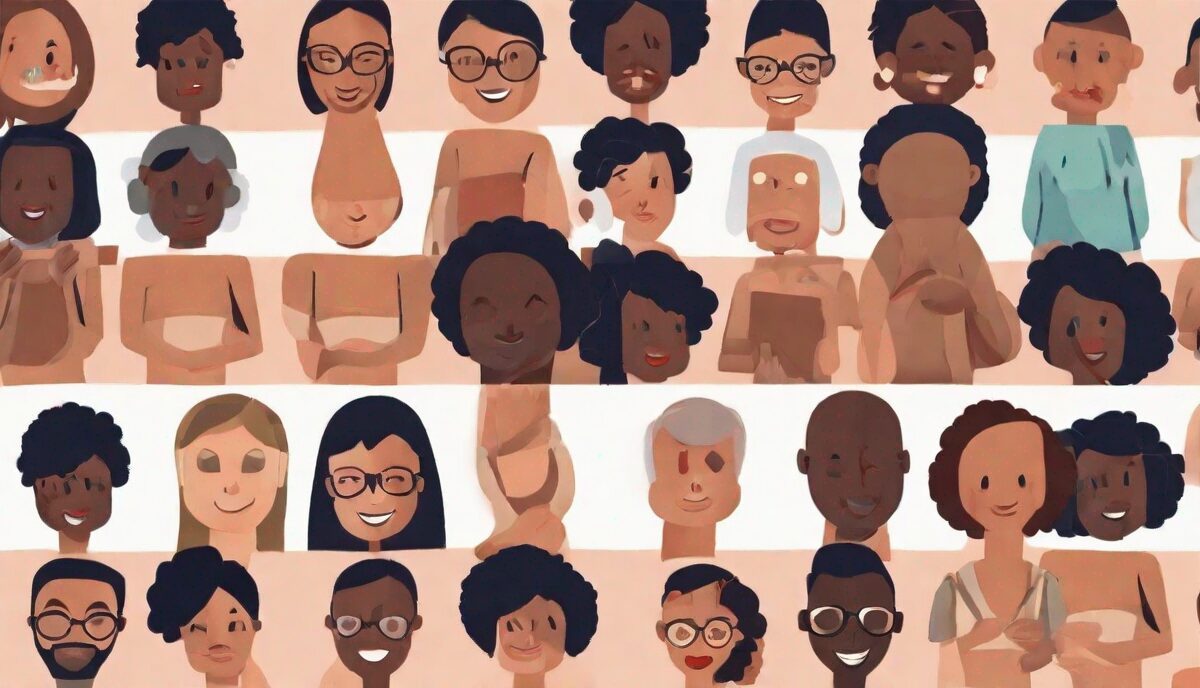
In today’s increasingly diverse world, the need for diversity in all fields, including dermatology, has never been more critical. Dermatology, the branch of medicine dealing with the skin, hair, and nails, often lacks representation of people of color, which can lead to disparities in care and treatment outcomes. This article explores why diversity in dermatology is essential for people of color and how it can improve healthcare outcomes.
Understanding Skin Differences
Skin is one of the most visible markers of our identity, and it varies significantly among different racial and ethnic groups. People of color have unique skin characteristics that require specialized knowledge and treatment approaches. For instance, conditions such as hyperpigmentation, keloids, and melasma are more prevalent in people with darker skin tones. Dermatologists who understand these differences are better equipped to provide effective care.
Reducing Health Disparities
Health disparities in dermatology can lead to misdiagnoses and delayed treatments for people of color. A predominantly white dermatology workforce may not be as familiar with how various skin conditions present in darker skin tones. This lack of familiarity can contribute to inequities in care. Increasing diversity within the dermatology field can help bridge this gap and ensure that all patients receive accurate diagnoses and timely treatments.
Improving Patient Trust and Communication
Patients are more likely to trust healthcare providers who understand their unique cultural and biological needs. A diverse dermatology workforce can improve communication between doctors and patients, leading to better patient outcomes. When patients feel understood and respected, they are more likely to follow treatment plans and seek medical advice when needed.
Encouraging Inclusive Research
Diverse representation in dermatology also promotes inclusive research. Many dermatological studies have historically focused on white populations, leading to a lack of data on how treatments affect people of color. By including more diverse populations in research, dermatologists can develop more effective treatments for all skin types. This inclusive approach ensures that advancements in dermatology benefit everyone equally.
Building a More Inclusive Future
Efforts to increase diversity in dermatology are already underway, but there is still much work to be done. Medical schools and institutions must prioritize diversity in their admissions and hiring processes. Additionally, mentorship programs can help support aspiring dermatologists from underrepresented backgrounds. By fostering a more inclusive environment, the field of dermatology can better serve all patients.
Bridging the Diagnostic Gap: Beyond the Redness Paradigm
One of the most significant hurdles in modern dermatology is the historical reliance on clinical descriptions tailored to Caucasian skin. For decades, medical textbooks have defined inflammatory conditions primarily by “erythema,” or the visible reddening of the skin. However, in melanin-rich skin, inflammation often does not manifest as bright red. Instead, it may appear as shades of purple, grayish-brown, or deep violet. When a dermatologist is not trained to recognize these subtle shifts in hue, the severity of a condition like psoriasis or eczema can be drastically underestimated, leading to undertreatment and prolonged patient suffering.
Take, for example, the presentation of psoriasis. In lighter skin tones, it typically appears as salmon-pink plaques with silvery scales. In patients of color, these plaques may appear hyperpigmented or violaceous, and the characteristic scaling may look different against a darker background. If a clinician is looking for “pink,” they might miss the diagnosis entirely or mistake it for a fungal infection or lichen planus. This diagnostic ambiguity is more than a clinical inconvenience; it is a barrier to accessing high-tier biologic therapies that require a documented severity score to justify insurance coverage. Without a diverse perspective, the clinician may fail to accurately score the disease, inadvertently denying the patient life-changing medication.
Furthermore, the “textbook gap” extends to life-threatening conditions like skin cancer. While the incidence of melanoma is lower in people of color, the mortality rate is disproportionately higher. This is largely because malignancies often present in non-sun-exposed areas, such as the soles of the feet, the palms, or under the nails (acral lentiginous melanoma). A dermatologist lacking experience with diverse populations might not prioritize these areas during a routine skin check, or they may misidentify a suspicious lesion as a simple bruise or a benign pigmentary change. Diversity in the field ensures that these “atypical” presentations are treated as the standard of care for the populations they affect most.
Specialized Approaches to Hair and Scalp Disorders
Hair and scalp health are inextricably linked to cultural identity and grooming practices, yet many dermatologists receive minimal training in the specific needs of textured or coily hair. For many people of color, particularly those of African descent, hair loss (alopecia) is a primary reason for seeking dermatological care. Conditions such as Central Centrifugal Cicatricial Alopecia (CCCA) and Traction Alopecia require not only medical expertise but also a deep understanding of the cultural context of hair care.
CCCA is a form of scarring alopecia that predominantly affects Black women. It often begins at the crown and spreads outward, leading to permanent destruction of the hair follicles. Early intervention is critical to stop the progression, but because the early signs can be subtle—such as slight itching or tenderness—they are often dismissed. A dermatologist who is culturally competent will know to ask about specific styling practices, such as the use of chemical relaxers, heat, or tension-heavy styles like braids and weaves, without placing blame on the patient. Instead of a dismissive “stop doing that to your hair,” a diverse and knowledgeable provider can offer a collaborative treatment plan that preserves the patient’s cultural expression while protecting their follicular health.
Moreover, the biology of the hair shaft itself differs across ethnicities. Coily hair (Type 4) tends to be more porous and prone to breakage due to the elliptical shape of the hair fiber. This requires a different approach to topical treatments; for instance, the alcohol-based foams often prescribed for scalp psoriasis can be excessively drying and damaging to textured hair. A dermatologist familiar with these nuances will instead prescribe oil-based or ointment-based vehicles that provide the necessary medication while maintaining the hair’s structural integrity. This level of specialized care fosters a therapeutic alliance where the patient feels seen and their lifestyle is respected.
Therapeutic Safety: Navigating Lasers and Procedures for Melanin-Rich Skin
The field of aesthetic and procedural dermatology has seen explosive growth, but the safety profile of these procedures is heavily dependent on the clinician’s understanding of the Fitzpatrick scale—a classification system for skin types based on their response to UV light. Patients with darker skin (Fitzpatrick types IV through VI) face unique risks when undergoing laser treatments, chemical peels, or even microneedling. The primary concern is the activation of melanocytes, which can lead to post-inflammatory hyperpigmentation (PIH) or, in worse cases, permanent scarring and hypopigmentation (loss of color).
Laser technology, in particular, requires extreme precision. Many traditional lasers work by targeting pigment (melanin). If a laser is used on a patient with high baseline melanin, the device may not be able to distinguish between the “target” (such as a hair follicle or a dark spot) and the surrounding healthy skin. This can result in severe burns. A dermatologist specialized in skin of color knows to use specific wavelengths, such as the 1064 nm Nd:YAG laser, which has a deeper penetration and lower affinity for epidermal melanin, making it safer for darker skin tones. They also understand the importance of “cool-tip” technologies and longer pulse durations to protect the skin’s surface.
Beyond the hardware, the pre- and post-procedure protocols are just as vital. For a patient of color, a routine chemical peel might require two to four weeks of “pretreating” the skin with tyrosinase inhibitors like hydroquinone or kojic acid to quiet the pigment-producing cells before the procedure. Without this step, even a mild peel can result in a “rebound” darkening of the skin that takes months to resolve. Diversity in dermatology ensures that these safety protocols are not viewed as “extra” steps but as essential components of the standard procedural workflow for a global majority of patients.
The Role of Artificial Intelligence and Navigating Algorithmic Bias
As healthcare moves toward a digital-first model, artificial intelligence (AI) is increasingly used to assist in diagnosing skin conditions through photo analysis. While this technology holds the promise of making dermatological care more accessible, it also risks codifying existing racial biases. Most AI algorithms are trained on large datasets of images; if those datasets predominantly feature fair skin, the AI becomes highly accurate for Caucasian patients but dangerously unreliable for people of color.
Research has shown that some AI models struggle to identify melanoma on darker skin because they were never “taught” what it looks like. For a patient using a consumer-facing skin-check app, a “low risk” result for a suspicious lesion could provide a false sense of security, leading to a delay in seeking professional help. This is where diversity in the professional sphere becomes a technological safeguard. Dermatologists of color and those specializing in diverse skin types are the ones leading the charge to curate more inclusive datasets, such as the International Skin Imaging Collaboration (ISIC), to ensure that the next generation of medical technology is equitable.
Furthermore, the interpretation of AI-generated data still requires a human touch. A clinician must be able to recognize when an algorithm is failing. For instance, an AI might flag a patch of vitiligo as a fungal infection because it hasn’t been trained on the specific way depigmentation borders appear on dark skin. A diverse workforce ensures that there is a critical human check on these systems, preventing technological advancements from widening the existing health disparity gap. The goal is not just more data, but better, more representative data that reflects the true diversity of the human population.
Addressing the Psychological Burden of Pigmentary Disorders
While some may view conditions like vitiligo, melasma, or post-inflammatory hyperpigmentation (PIH) as purely “cosmetic,” the psychological impact on people of color can be profound. In many cultures, skin clarity is deeply tied to perceptions of health, youth, and even social standing. When a patient develops dark spots from acne or white patches from vitiligo, it can lead to significant anxiety, depression, and social withdrawal. A dermatologist who lacks cultural empathy may dismiss these concerns as vanity, further marginalizing the patient.
PIH is perhaps the most common reason for dermatological visits among patients of color. It occurs when any skin injury—be it acne, a scratch, or an insect bite—leaves behind a dark mark that can last for months or years. For a patient, the PIH is often more distressing than the original acne that caused it. A culturally competent dermatologist understands that treating the acne is only half the battle; they must also proactively manage the pigmentation to restore the patient’s quality of life. This involves a nuanced combination of sun protection (to prevent the spots from darkening), topical lighteners, and sometimes low-energy laser treatments.
In the case of vitiligo, the emotional stakes are even higher. The contrast between the depigmented patches and the patient’s natural skin tone is much more striking in darker individuals. This can lead to a loss of identity or a feeling of being “spotted.” A diverse dermatology team is more likely to be aware of the cultural stigmas associated with skin conditions in different communities and can provide or refer patients to specialized counseling. They can also discuss newer treatments, such as JAK inhibitors, with a realistic understanding of the patient’s goals—whether that is repigmentation or, in some cases, complete depigmentation to achieve a uniform appearance. Treating the skin is, in many ways, treating the whole person.
Pediatric Dermatology: Recognizing Inflammatory Conditions in Children
Pediatric dermatology is a field where early and accurate diagnosis can prevent a lifetime of scarring and psychological distress. However, many common childhood rashes present differently in children of color. Atopic dermatitis (eczema), the most common skin condition in children, is often more severe and persistent in Black and Hispanic populations. In these children, eczema may not appear as the classic “red, scaly” rash in the crooks of the elbows and knees. Instead, it may manifest as small, firm bumps (papular eczema) or involve the entire body with significant thickening of the skin (lichenification).
Another common pediatric condition is pityriasis alba, which causes pale, slightly scaly patches on the face and arms. In fair-skinned children, these patches are often invisible until the child tans in the summer. In children of color, the patches are immediately apparent and can be a source of great concern for parents who fear their child is developing vitiligo or a fungal infection. A dermatologist who is well-versed in these presentations can provide immediate reassurance and explain that the condition is a mild form of eczema that will improve with proper moisturization and sun protection.
Furthermore, infectious diseases like tinea capitis (scalp ringworm) are significantly more common in children with textured hair. If left untreated, it can lead to a “kerion”—a large, painful, inflammatory mass that causes permanent hair loss. Because the early signs of tinea capitis can mimic dandruff or seborrheic dermatitis, it is frequently misdiagnosed. A clinician experienced with diverse pediatric populations knows that any “dandruff” in a prepubertal Black child should be considered ringworm until proven otherwise. This proactive approach saves children from the trauma of permanent baldness and ensures that schools and households can manage the highly contagious infection effectively.
The Sunscreen Paradox and Photoprotection Education
There is a persistent and dangerous myth that people with darker skin tones are “immune” to skin cancer and do not need sunscreen. While it is true that higher levels of melanin provide a natural Sun Protection Factor (SPF) of approximately 13, this is not nearly enough to prevent DNA damage from prolonged UV exposure. This misinformation often leads to late-stage diagnoses and poorer outcomes for patients of color. Diversity in dermatology is essential to dismantle these myths through targeted, culturally relevant education.
One of the primary reasons for sunscreen non-compliance among people of color is the “white cast” left by many mineral sunscreens. Zinc oxide and titanium dioxide, while effective, often leave a chalky, bluish residue on darker skin that is aesthetically unacceptable. A dermatologist who understands this will not simply tell a patient to “wear sunscreen” but will recommend specific formulations—such as tinted mineral sunscreens or chemical sunscreens with advanced filters—that disappear into the skin. They can also explain the importance of “visible light” protection, particularly for patients with melasma, as the blue light from the sun and even electronic screens can worsen pigmentation in darker skin.
Moreover, the conversation around sun protection must be balanced with a discussion on Vitamin D. Many people of color are at a higher risk for Vitamin D deficiency because melanin filters out the UVB rays needed for the body to synthesize the vitamin. A dermatologist who is attuned to these biological factors will monitor a patient’s Vitamin D levels and provide guidance on supplementation, ensuring that the patient is protected from skin cancer without compromising their bone and immune health. This holistic approach to photoprotection is only possible when the provider understands the unique physiological and practical challenges faced by people with melanin-rich skin.
FAQ
Why is diversity important in dermatology?
Diversity in dermatology is crucial because it ensures that all patients receive accurate diagnoses and effective treatments. A diverse workforce can better understand and address the unique skin conditions and needs of people of color.
What are some common skin conditions in people of color?
Common skin conditions in people of color include hyperpigmentation, keloids, and melasma. These conditions often require specialized knowledge and treatment approaches that take into account the unique characteristics of darker skin tones.
How can increasing diversity in dermatology reduce health disparities?
Increasing diversity in dermatology can reduce health disparities by ensuring that dermatologists are familiar with how skin conditions present in people of color. This familiarity can lead to more accurate diagnoses and timely treatments, ultimately improving healthcare outcomes.
What role does inclusive research play in dermatology?
Inclusive research in dermatology ensures that treatments and advancements benefit all populations. By including diverse populations in studies, dermatologists can develop more effective treatments for various skin types and conditions.
How can we promote diversity in the field of dermatology?
Promoting diversity in dermatology requires efforts from medical schools, institutions, and professional organizations. This can include prioritizing diversity in admissions and hiring, as well as supporting mentorship programs for underrepresented students and professionals.
Related posts:
 Blow Drying Hair Without Damage: Expert Tips
 Perfect Curly Hair Routine
 Ancient Beauty Secrets: The Ayurvedic Hair Mask Recipe That Delivers Results
 Hair Slugging Beauty Trend Guide
 Laser Hair Removal for Dark Skin: Debunking Myths and Sharing Success Stories
 Zoe Kravitz’s Coconut Oil Hair Care Secret
 Silk Hair Ties: Gentle on Hair, Tough on Tangles
 Gray Hair Treatment Options