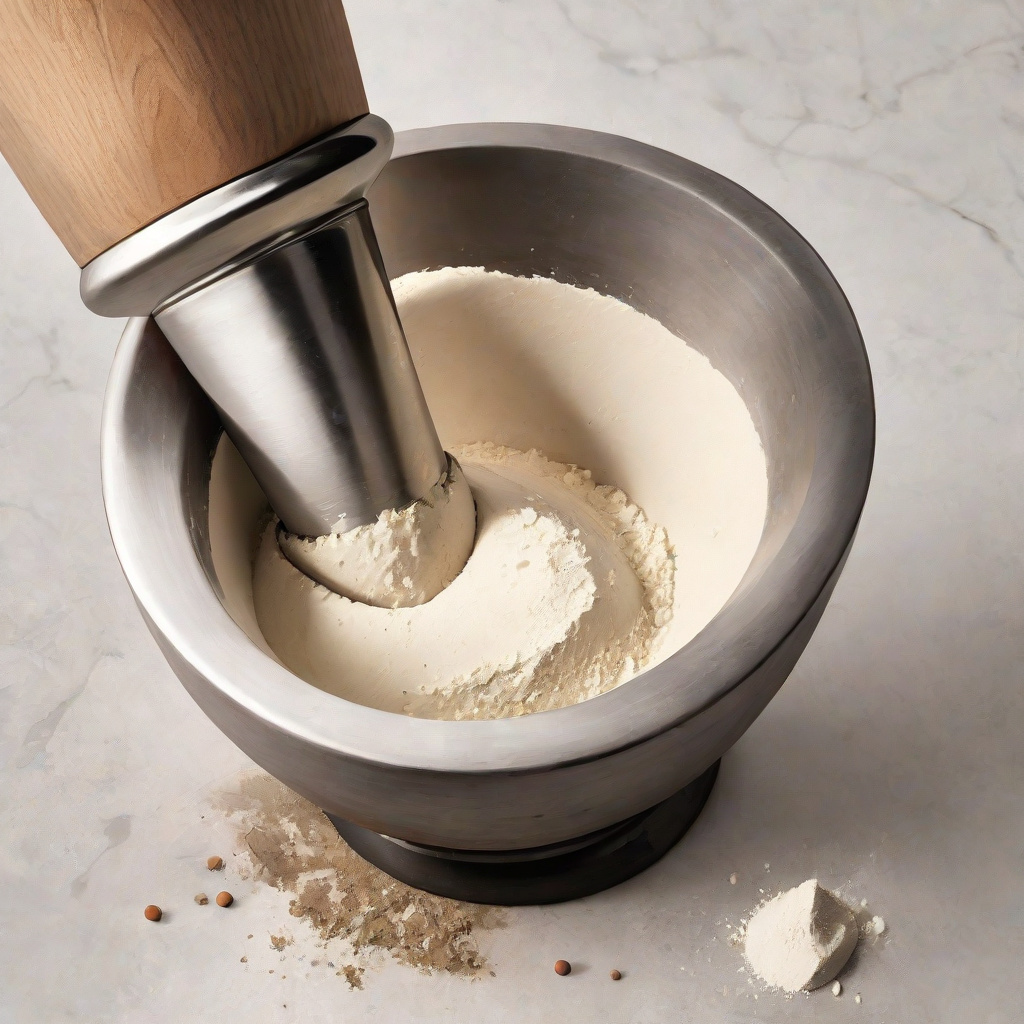
Few kitchen tools feel as timeless or as satisfying to use as a mortar and pestle. While modern gadgets like food processors and spice grinders offer convenience, they often fall short in delivering the depth of flavor and texture that a well-used mortar and pestle can achieve. Whether you’re crushing garlic for a pasta sauce, grinding whole spices for a curry, or making fresh guacamole, this simple tool elevates your cooking by unlocking aromatic oils and blending ingredients in a way machines simply can’t replicate.
For home cooks who value authenticity and control over their ingredients, a quality mortar and pestle isn’t just a tool—it’s an investment in better flavor, texture, and culinary creativity. Here’s why every kitchen should have one, how to choose the right type, and how to use it to transform your dishes.
1. Unmatched Flavor Extraction
One of the biggest advantages of a mortar and pestle is its ability to release essential oils from herbs, spices, and aromatics. Unlike electric grinders, which can generate heat and alter flavors, the gentle crushing motion of a pestle breaks down cell walls without overheating, preserving the full spectrum of a spice’s aroma and taste. For example, freshly crushed black peppercorns or cardamom pods will have a brighter, more complex flavor than pre-ground versions, which lose potency quickly after grinding.
Try this: Toast whole cumin seeds in a dry pan, then grind them in your mortar and pestle. The difference in fragrance and depth compared to store-bought ground cumin is immediate and undeniable. This level of freshness can take a dish from good to extraordinary.
2. Superior Texture Control
A mortar and pestle gives you precise control over the coarseness or fineness of your ingredients. Need a chunky salsa with visible bits of tomato and onion? A few pulses with the pestle will do. Want a silky-smooth paste for a Thai curry? Keep grinding until you achieve the perfect consistency. This versatility is especially valuable for recipes where texture plays a key role, such as pesto, chimichurri, or marinades.
Electric grinders often pulverize ingredients into a uniform powder, which can be useful but lacks the nuance of hand-crushing. For instance, a rough crush of sea salt for finishing a dish adds a delightful crunch and burst of flavor that finely ground salt can’t match.
3. Versatility Across Cuisines
From Mexican to Thai, Indian to Moroccan, the mortar and pestle is a staple in global kitchens for a reason. It’s the tool of choice for making authentic pastes, sauces, and spice blends that form the foundation of many traditional dishes. Here are a few examples:
- Thai Green Curry Paste: Lemongrass, galangal, garlic, and green chilies are pounded together to create a fragrant, vibrant base.
- Mexican Mole: Toasted spices, nuts, and dried chilies are ground into a rich, complex paste.
- Indian Chutneys: Fresh herbs, coconut, and spices are crushed into a coarse or smooth accompaniment for dosas or samosas.
- French Pistou: Basil, garlic, and olive oil are pounded into a rustic sauce for soups or pasta.
Each of these dishes benefits from the layered flavors that only a mortar and pestle can provide.
4. Durability and Longevity
A well-made mortar and pestle can last a lifetime—or even several generations—if cared for properly. Unlike plastic or inexpensive ceramic versions that can crack or wear down, a high-quality stone or granite mortar becomes smoother and more effective with use. Over time, the surface develops a natural patina that enhances its grinding ability.
Granite, marble, and volcanic stone are popular choices for their weight and durability. Wooden mortars, often made from hardwoods like olive or acacia, are ideal for grinding softer ingredients like herbs or nuts but may not handle hard spices as well. Avoid porous materials like unglazed ceramic, which can absorb odors and stain over time.
5. Mindful Cooking Experience
Using a mortar and pestle slows you down in the best possible way. The rhythmic motion of grinding encourages mindfulness, turning a mundane task into a sensory experience. The sound of the pestle against the mortar, the release of aromas, and the gradual transformation of ingredients can be deeply satisfying. In a world of instant gratification, this tool reconnects you with the tactile joy of cooking.
It also fosters a deeper appreciation for the ingredients themselves. When you take the time to toast and grind whole spices, you’re more likely to notice subtle differences in quality and freshness, which can inspire you to experiment and refine your dishes.
6. Healthier and More Natural
Pre-ground spices and herbs often contain additives like anti-caking agents or preservatives to extend shelf life. By grinding your own, you can ensure your spices are 100% pure and free from unwanted additives. Additionally, whole spices retain their potency much longer than pre-ground versions, which can lose up to 50% of their flavor within a few months.
For those watching their sodium intake, making your own spice blends allows you to control the amount of salt and other seasonings. A homemade garam masala or taco seasoning, for example, can be tailored to your taste preferences without the excess salt or sugar found in many commercial blends.
7. Easy to Clean and Maintain
Contrary to popular belief, cleaning a mortar and pestle is simple if you follow a few key steps. After use, scrape out any remaining food with a wooden spoon or spatula. Rinse with warm water and a mild dish soap, then scrub gently with a brush or sponge. Avoid soaking the mortar, especially if it’s made of porous stone, as this can cause cracking or odor absorption.
For stubborn residues, like garlic or turmeric stains, sprinkle a bit of coarse salt or baking soda into the mortar and grind it with the pestle to lift the stains. Rinse thoroughly afterward. Always dry your mortar and pestle completely before storing to prevent moisture damage.
To season a new granite or stone mortar, grind a handful of raw rice or sea salt into a fine powder to smooth out the surface and remove any loose particles. Discard the rice or salt afterward, and your mortar will be ready for use.
8. Perfect for Small-Batch Cooking
Not every recipe requires large quantities of spices or pastes. A mortar and pestle is ideal for small-batch cooking, allowing you to grind just the right amount for a single meal. This is especially useful for experimenting with new spice blends or making fresh sauces like pesto or romesco without committing to a large quantity.
For example, if you’re making a simple garlic butter for steak, crushing a few cloves by hand ensures the garlic is evenly distributed without overpowering the dish. Similarly, a small batch of freshly ground coffee beans can elevate your morning brew with minimal effort.
9. A Tool for Every Skill Level
Whether you’re a beginner cook or a seasoned chef, a mortar and pestle is accessible and rewarding to use. Beginners can start with simple tasks like crushing garlic or making guacamole, while more advanced cooks can explore complex spice blends or traditional pastes. The learning curve is minimal, and the results are immediately noticeable.
For those new to using a mortar and pestle, here are a few beginner-friendly recipes to try:
- Garlic Paste: Crush 2-3 garlic cloves with a pinch of salt until smooth. Use in dressings, marinades, or sauces.
- Fresh Salsa: Combine diced tomatoes, onion, jalapeño, cilantro, lime juice, and salt. Crush lightly for a chunky texture.
- Herb Butter: Mix softened butter with crushed fresh herbs (like rosemary, thyme, or parsley), garlic, and a pinch of salt. Roll into a log and chill for a flavorful spread.
FAQ About Mortars and Pestles
What’s the best material for a mortar and pestle?
The best material depends on your needs. Granite is the most versatile and durable, ideal for grinding hard spices, nuts, and seeds. Marble is beautiful and heavy but can be prone to staining. Ceramic is lightweight and great for herbs and softer ingredients but may chip over time. Wooden mortars are gentle on delicate ingredients but not suited for hard spices. For most home cooks, a heavy granite mortar and pestle is the best all-around choice.
How do I know if my mortar and pestle is food-safe?
Always purchase a mortar and pestle from a reputable manufacturer that specifies it is food-safe. Avoid mortars made from porous or unglazed materials, as they can harbor bacteria or absorb odors. If you’re unsure, look for products labeled as “food-grade” or “safe for culinary use.” Granite, marble, and high-quality ceramic are generally safe options.
Can I use a mortar and pestle for grinding coffee beans?
Yes, but it’s not ideal for large quantities. A mortar and pestle can crush coffee beans into a coarse or medium grind, which works well for French press or cold brew. However, it’s labor-intensive and may not produce a consistent grind for espresso or drip coffee. For regular coffee grinding, a dedicated burr grinder is more efficient. That said, the occasional small batch in a mortar can yield a rich, aromatic cup.
Why does my mortar and pestle smell like garlic or spices after use?
Porous materials like granite or unglazed ceramic can absorb strong odors and flavors over time. To minimize this, clean your mortar and pestle thoroughly after each use (see cleaning tips above). For stubborn odors, grind a handful of raw rice or baking soda into a paste, let it sit for a few minutes, then rinse. Avoid using soap with strong fragrances, as this can also be absorbed. If the odor persists, consider designating one mortar for strong-smelling ingredients like garlic or curry spices.
Are there any ingredients I shouldn’t grind in a mortar and pestle?
Avoid grinding extremely hard ingredients like whole nutmeg or cinnamon sticks, as they can scratch or damage the surface of your mortar, especially if it’s made of softer materials like ceramic or wood. Instead, use a microplane or spice grinder for these. Additionally, avoid grinding wet ingredients like fresh chilies or tomatoes in a wooden mortar, as the moisture can cause warping or cracking over time. For wet ingredients, stick to stone or ceramic mortars.
Related posts:
 The Salt Spray Secret to Perfect Beach Hair Every Time
 Delicious Ground Chicken Recipes
 Mastering Mortar and Pestle
Mastering Mortar and Pestle
Mastering Mortar and Pestle
 Handmade Ceramic Vases for the Perfect Spring Home Update
 The Best Coffee Grinders for Every Brewing Method
 How Teeth Grinding Changes Your Face
 Cuisinart’s Ceramic Knife Set Is a Cut Above the Rest