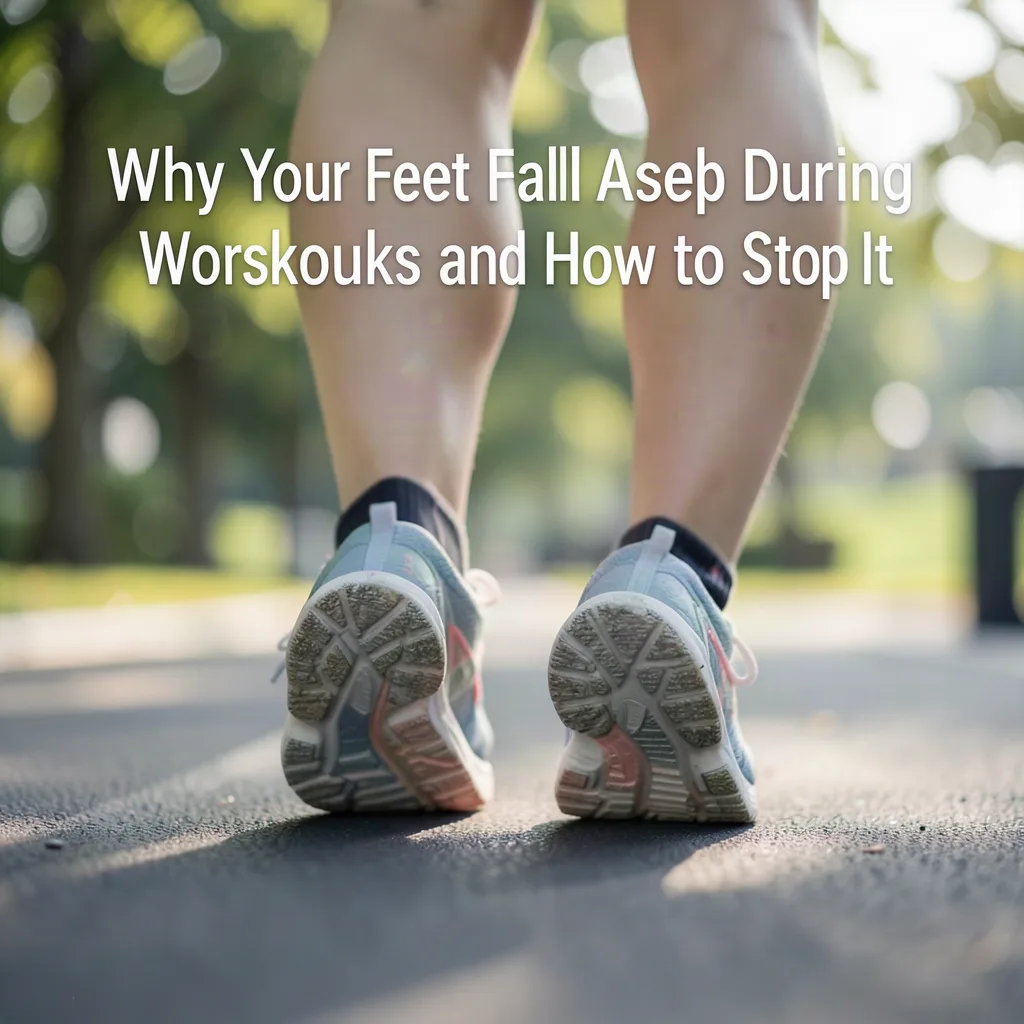
Many people notice a tingling or numb sensation in their feet during a run, a cycling session, or a weight‑lifting set. The feeling often arrives suddenly, spreads across the sole or toes, and disappears once the activity stops. While it can be alarming, the cause is usually a temporary nerve compression or reduced blood flow rather than a serious injury. Understanding why it happens lets you make small changes that keep your feet comfortable and your performance steady.
Understanding the Sensation: What ‘Falling Asleep’ Really Means
When a foot ‘falls asleep’ the technical term is paresthesia. It occurs when a sensory nerve is pressed or its blood supply is briefly limited, interrupting the normal stream of signals to the brain. The brain interprets the interruption as pins‑and‑needles, numbness, or a heavy feeling. In most workouts the pressure comes from repetitive impact, tight shoes, or a sustained posture that squeezes a nerve tunnel such as the tarsal tunnel at the ankle or the common peroneal nerve near the knee.
Because the nerves that serve the foot travel a long distance from the lower spine, any point along that path can become a bottleneck. A tight calf muscle, a swollen ankle, or a poorly positioned cleat can all produce the same symptom. The good news is that the nerve usually recovers quickly once the pressure is released, which is why the sensation often vanishes as soon as you change position or stop moving.
Common Nerve Pathways Affected During Exercise
The most frequently involved nerves are the tibial nerve inside the tarsal tunnel, the common peroneal nerve at the fibular head, and the sural nerve along the outer ankle. The tibial nerve supplies sensation to the sole and the medial toes, so compression there often feels like a numb arch or big toe. The common peroneal nerve controls the top of the foot and the lateral toes; pressure near the knee can cause a ‘dead’ feeling on the dorsal surface. The sural nerve is smaller and typically produces a narrow band of tingling along the outer edge of the foot.
During high‑impact activities such as running or jumping, the repeated loading of the foot can transiently flatten the arches, pulling the tarsal tunnel tighter. In cycling, a fixed foot position combined with a stiff shoe can press the peroneal nerve against the fibular head. Weight‑lifting movements that require a deep squat or a prolonged kneeling stance may compress the tibial nerve at the ankle. Recognizing which nerve is likely involved helps you target the right adjustment.
How Footwear Choices Influence Nerve Compression
Shoes that are too narrow, too stiff, or laced excessively tight are a leading cause of workout‑related foot numbness. A narrow toe box forces the metatarsals together, increasing pressure on the interdigital nerves and the tibial nerve as it passes under the flexor retinaculum. Stiff soles limit the natural flexion of the foot, so the arch cannot absorb shock, transferring more force to the nerve tunnels.
Conversely, shoes with a roomy forefoot, a flexible midsole, and a secure but not crushing lacing system allow the foot to expand slightly under load. For cyclists, a shoe with a wide cleat platform and adjustable strap tension reduces focal pressure on the peroneal nerve. Runners benefit from a model that matches their arch type and provides enough cushioning to dampen impact without sacrificing proprioception. Replacing worn‑out insoles with a supportive orthotic can also redistribute load away from vulnerable nerve pathways.
Body Position and Movement Patterns That Trigger Numbness
Static positions are a major trigger. Holding a deep squat, staying on the balls of the feet for an extended plank, or keeping the ankles in extreme plantarflexion during a calf raise can all compress the tibial nerve. In cycling, a saddle that is too high forces the rider to point the toes downward, stretching the peroneal nerve around the fibular head. In rowing, a fixed footplate that does not allow slight heel lift can pinch the sural nerve.
Dynamic patterns matter too. Over‑pronation during running collapses the medial arch, narrowing the tarsal tunnel with each stride. A crossover gait where the foot lands excessively toward the midline can irritate the peroneal nerve. Even a subtle habit such as gripping the floor with the toes during a deadlift adds chronic low‑grade pressure. Video analysis or a coach’s feedback can reveal these patterns so you can correct them before they become habitual.
Circulation vs. Nerve Compression: Knowing the Difference
Reduced blood flow and nerve compression can feel similar, but they have distinct clues. Vascular‑related numbness often appears symmetrically, improves quickly with a change in temperature, and may be accompanied by a cool or pale foot. Nerve‑related paresthesia tends to follow a specific dermatome, can be reproduced by pressing on a known tunnel, and often lingers for seconds to minutes after the pressure is removed.
A simple self‑test: while seated, gently press the area just behind the medial ankle bone (the tarsal tunnel). If the tingling reproduces or intensifies, a nerve issue is likely. If the foot feels cold and the sensation spreads uniformly, consider circulation. In either case, persistent or worsening symptoms warrant a professional assessment.
Practical Adjustments You Can Make Mid‑Workout
When numbness strikes during a session, try these immediate fixes. First, loosen laces or straps by one or two eyelets; a small increase in forefoot volume often restores sensation within seconds. Second, shift weight: if you are running, briefly shorten your stride and land more mid‑foot; if cycling, unclip one foot and wiggle the toes for a few revolutions. Third, perform a quick ankle mobility drill — circle the ankle ten times each direction — to mobilize the tarsal tunnel. Fourth, change the angle of the knee: a slight bend reduces stretch on the peroneal nerve. Finally, if the sensation does not resolve within a minute, pause the activity and assess footwear or posture before continuing.
Long‑Term Strategies for Healthier Feet
Building resilience in the foot and lower leg reduces the frequency of numb episodes. Incorporate intrinsic foot strengthening such as towel scrunches, marble pickups, and short foot exercises three times per week. Stretch the calf complex (gastrocnemius and soleus) daily to keep the tibial nerve’s pathway supple. Use a foam roller or massage ball on the plantar fascia and the lateral shin to release soft‑tissue tension that can impinge nerves.
Periodically reassess shoe fit; feet can change size with training volume, temperature, and age. Rotate between two pairs of training shoes to vary the stress pattern. For cyclists, a professional bike fit that optimizes saddle height, fore‑aft position, and cleat alignment is one of the most effective preventive measures. Strengthening the hip abductors and glutes also improves pelvic stability, which downstream reduces excessive foot pronation.
When to Seek Professional Evaluation
Occasional, brief numbness that resolves with simple adjustments is usually benign. However, consult a healthcare provider if you experience any of the following: numbness that persists for more than a few minutes after stopping activity; weakness or foot drop that affects gait; loss of balance or coordination; pain that radiates up the leg; or a history of diabetes, peripheral vascular disease, or prior lumbar spine surgery. A physical therapist, sports medicine physician, or neurologist can perform nerve conduction studies, imaging, or a detailed biomechanical assessment to rule out entrapment syndromes such as tarsal tunnel syndrome, common peroneal neuropathy, or lumbar radiculopathy.
Sport-Specific Foot Numbness Patterns and Targeted Fixes
Different activities place unique demands on the foot‑ankle complex, so the same tingling sensation can arise from distinct mechanical triggers. In running the repetitive impact combined with a gradual arch collapse often compresses the tibial nerve inside the tarsal tunnel, especially during the later miles when fatigue reduces muscular support. Cyclists frequently experience peroneal nerve irritation at the fibular head because a fixed cleat position forces the ankle into sustained plantarflexion and the knee into a slightly extended angle. Weight‑lifting movements that require deep knee flexion — such as front squats or overhead presses — can trap the tibial nerve at the ankle while the peroneal nerve is stretched around the lateral knee.
Rowing adds a constant dorsiflexed ankle against a rigid footplate, which narrows the tarsal tunnel and can pinch the sural nerve along the lateral ankle. Swimmers rarely load the foot, but the pointed‑toe position held for long intervals during kick sets can stretch the common peroneal nerve, producing a brief dorsal foot tingling when the swimmer stands. High‑intensity interval training that mixes sprinting, box jumps, and lateral shuffles creates rapid transitions between pronation and supination, increasing the chance of intermittent nerve compression at multiple sites. Yoga poses such as prolonged hero pose or deep malasana keep the ankles in extreme plantarflexion or dorsiflexion, respectively, and can trigger numbness if held beyond the tissue’s tolerance.
Targeted fixes start with identifying the sport‑specific posture that reproduces the symptom. Runners benefit from a mid‑foot strike cue and a brief stride‑shortening drill every 10 minutes to relieve tarsal tunnel pressure. Cyclists should experiment with a cleat wedge or a slight external rotation to offload the fibular head, and they can unclip one foot for a few pedal revolutions during long climbs. Lifters can use a heel‑elevated platform or a wider stance to reduce ankle dorsiflexion demand. Rowers can adjust the footplate angle a few degrees toward neutral and incorporate a quick ankle‑circle mobility break every 500 meters. Swimmers can add a short ankle‑pump series on deck between sets. HIIT athletes should program a 30‑second dynamic ankle mobility circuit between rounds. Yoga practitioners can place a folded blanket under the ankles in hero pose or use a block under the heels in malasana to lessen nerve stretch.
The Role of Hydration, Electrolytes, and Temperature in Nerve Sensitivity
Fluid balance directly influences nerve excitability because the axonal membrane relies on a precise sodium‑potassium gradient to fire action potentials. Even mild dehydration — a loss of 1‑2 % body mass — can lower extracellular fluid volume, concentrating electrolytes and making peripheral nerves more prone to spontaneous firing that feels like pins‑and‑needles. Sodium, potassium, magnesium, and calcium all participate in the depolarization‑repolarization cycle; an imbalance in any of them, especially during long sessions in hot environments, can amplify paresthesia.
Temperature adds another layer. Cold exposure causes vasoconstriction, reducing blood flow to the distal foot and slowing nerve conduction velocity, which can make a previously sub‑threshold compression feel symptomatic. Conversely, heat promotes vasodilation and foot swelling; the increased tissue volume inside a snug shoe raises pressure on the tarsal tunnel and the common peroneal nerve. Athletes who train in fluctuating climates — early‑morning chill followed by midday heat — may notice numbness appearing only during the transition phases when the foot is both swollen and the shoe has not yet been re‑laced.
Practical strategies include sipping an electrolyte‑rich beverage every 15‑20 minutes during sessions longer than 60 minutes, aiming for 300‑500 mg sodium per hour. In cold weather, wear a thin merino liner sock that wicks moisture while preserving warmth, and loosen the top eyelet of the shoe to accommodate slight swelling. In heat, choose a breathable mesh upper, use a moisture‑wicking sock with a low‑profile cuff, and consider a mid‑run lace‑adjustment stop to relieve pressure as the foot expands. Monitoring urine color and body weight before and after training provides a quick hydration check that can prevent nerve‑related numbness before it starts.
Advanced Nerve Glide and Mobility Drills for the Lower Leg
Nerve glides — also called neural flossing — mobilize the nerve within its surrounding sheath, reducing adhesions that can tether the tibial, peroneal, or sural nerves during repetitive loading. Unlike static stretching, which pulls the nerve taut, a glide alternates tension and slack at two adjacent joints, encouraging the nerve to slide smoothly through its tunnels. Performing these drills daily, especially as part of a warm‑up, can raise the threshold at which compression produces symptoms.
A tibial nerve glide begins seated with the knee extended, ankle dorsiflexed, and toes pointed upward; then gently flex the knee while plantarflexing the ankle and curling the toes, moving the nerve distally and proximally in a coordinated rhythm. For the common peroneal nerve, sit with the hip and knee at 90 degrees, internally rotate the tibia, and alternately dorsiflex‑evert and plantarflex‑invert the ankle while keeping the knee still. The sural nerve glide is performed prone with the knee flexed to 90 degrees; gently dorsiflex the ankle while everting the foot, then plantarflex and invert, feeling a subtle glide along the lateral ankle. Each glide should be repeated 10‑15 times per side, moving within a pain‑free range and avoiding any sharp shooting sensation.
Integrate these glides into the pre‑workout routine after a brief aerobic warm‑up but before high‑intensity loading. Pair them with dynamic ankle circles, calf‑pump marches, and a few single‑leg hops to prime the neuromuscular system. For athletes with a history of recurrent numbness, adding a post‑session glide series — held for 30 seconds each — can accelerate recovery by clearing any residual neural tension. Progress the drills by increasing the range of motion gradually over weeks, and monitor whether the onset of tingling during training shifts later or disappears entirely.
Custom Orthotics, Metatarsal Pads, and Shoe Lacing Techniques for Precision Offloading
Off‑the‑shelf insoles provide generic arch support, but a custom‑molded orthotic captures the individual’s medial longitudinal arch height, forefoot varus or valgus, and heel‑to‑forefoot relationship. A podiatrist or sports‑medicine specialist can prescribe a device with a targeted cut‑out under the first metatarsal head to decompress the tibial nerve’s path through the tarsal tunnel, while a lateral forefoot post can limit excessive pronation that narrows the tunnel during stance. The material choice — ethylene‑vinyl acetate for cushioning versus polypropylene for rigidity — should match the athlete’s sport and load magnitude.
Metatarsal pads, placed just proximal to the metatarsal heads, lift the transverse arch and spread the metatarsals, directly reducing interdigital nerve compression that often mimics tibial nerve symptoms. The pad’s thickness (typically 3‑6 mm) and density must be trialed; too firm a pad can create a new pressure point, while too soft a pad offers insufficient lift. Position the pad so its apex aligns with the second metatarsal head, and secure it with a thin adhesive backing that does not shift during activity. Athletes with a prominent Morton’s neuroma often feel immediate relief when the pad is correctly positioned.
Lacing patterns fine‑tune forefoot volume without changing the shoe. A heel‑lock (runner’s knot) secures the rearfoot while leaving the forefoot free to expand. Window lacing — skipping the eyelets over the most sensitive dorsal area — creates a pressure‑free zone for the peroneal nerve. Parallel lacing distributes tension evenly across the instep, useful for high‑arch runners who experience mid‑foot tightness. Elastic “quick‑lace” systems allow on‑the‑fly micro‑adjustments; a single pull can loosen the forefoot by 2‑3 mm, often enough to abort an emerging numbness episode. Test each pattern during a short warm‑up jog before committing to a full session.
Training Load Management, Surface Variation, and Periodization to Prevent Chronic Compression
Sudden spikes in weekly mileage or intensity raise the cumulative mechanical load on the foot’s neural tunnels faster than the surrounding soft tissue can adapt. Tracking the acute‑to‑chronic workload ratio (ACWR) — dividing the current week’s load by the average of the preceding four weeks — helps keep the ratio in the 0.8‑1.3 sweet spot where adaptation occurs without overload. When the ACWR exceeds 1.5, the risk of nerve‑related paresthesia rises sharply because the arch‑supporting musculature fatigues, allowing the tarsal tunnel to collapse repeatedly.
Surface stiffness modulates impact forces. Concrete and treadmill belts transmit higher peak pressures than grass, dirt trails, or a sprung track. Rotating at least two training surfaces per week distributes load across different foot‑strike patterns and reduces repetitive compression at a single tunnel. For example, a runner might perform long runs on a soft trail, tempo work on a track, and recovery jogs on grass. Cyclists can alternate between a stiff carbon‑sole shoe on the road and a more compliant mountain‑bike shoe on gravel, altering the foot‑pedal interface angle and peroneal nerve tension.
Periodization structures these variations into macro‑, meso‑, and micro‑cycles. A typical 12‑week block might begin with a base phase emphasizing low‑intensity volume on forgiving surfaces, progress to a build phase introducing higher intensity on mixed terrain, and culminate in a peak phase with race‑specific workouts on the target surface. Each mesocycle should include a planned deload week (30‑40 % volume reduction) to allow neural tissue recovery. Monitoring subjective foot sensation daily — rating numbness on a 0‑10 scale — provides an early warning signal that the current load or surface combination is exceeding neural tolerance.
Post‑Workout Recovery Modalities: Contrast Therapy, Soft‑Tissue Work, and Sleep Hygiene
Contrast water therapy — alternating 1‑minute immersions in 10‑12 °C cold water and 38‑40 °C warm water for 4‑6 cycles — creates a vascular pump that flushes metabolic waste from the foot and reduces perineural edema. The rapid vasoconstriction‑vasodilation cycle also modulates nerve excitability, often diminishing lingering tingling within 30 minutes post‑session. For athletes without access to tubs, a handheld contrast shower directed at the ankles and a bucket of ice water for the feet can replicate the effect.
Soft‑tissue work targets the fascial layers that envelope the tibial, peroneal, and sural nerves. A foam roller applied to the calf with the knee slightly bent releases the gastrocnemius‑soleus complex, decreasing tensile pull on the tibial nerve at the tarsal tunnel. A massage gun set to a low‑frequency (20‑30 Hz) setting can be used on the lateral shin and peroneal musculature for 60‑90 seconds per side, promoting tissue glide without overstimulating the nerve. Plantar fascia rolling with a lacrosse ball, performed seated and gently rocking the foot over the ball, mobilizes the medial arch and creates slack for the tibial nerve.
Sleep hygiene completes the recovery loop. During deep non‑REM sleep, the glymphatic system clears inflammatory mediators from peripheral nerves, and growth hormone peaks to support axonal repair. Aim for 7‑9 hours of uninterrupted sleep, keep the bedroom temperature around 18‑20 °C, and avoid caffeine after 14:00. A brief pre‑bed routine — light ankle pumps, a 2‑minute diaphragmatic breathing session, and a warm foot soak — can lower sympathetic tone, further reducing nocturnal nerve hypersensitivity. Consistent sleep quality correlates with fewer daytime numbness episodes, especially during high‑volume training blocks.
Frequently Asked Questions
Q: Why do my feet only go numb on long runs but not on short ones?
A: Longer runs increase cumulative impact and fatigue, allowing the arch to collapse gradually and the tibial nerve to stay compressed for a longer period. Short runs may not provide enough time for the pressure to build to a symptomatic level.
Q: Can tight socks cause the same problem as tight shoes?
A: Yes. Compression socks or overly snug athletic socks can add external pressure around the ankle and forefoot, especially if they have a tight elastic band at the top. Choose socks with a graduated fit and avoid those that leave a visible indent after removal.
Q: Is it normal for my toes to tingle during a heavy squat?
A: Tingling in the toes during a deep squat often signals compression of the tibial nerve at the ankle or the common peroneal nerve at the knee due to extreme knee flexion and ankle dorsiflexion. Adjusting stance width, using a heel lift, or limiting depth can alleviate the pressure.
Q: Will orthotics cure the numbness permanently?
A: Orthotics can redistribute load and support the arch, reducing nerve compression for many people. They are most effective when combined with foot strengthening, proper footwear, and movement pattern correction. They are not a guaranteed cure for every case.
Q: How quickly should the sensation disappear after I stop the activity?
A: In typical transient paresthesia, the pins‑and‑needles fade within 30 to 60 seconds once the compressive force is removed. If the sensation lingers for several minutes or returns repeatedly without obvious trigger, seek professional evaluation.
Related posts:
 The Best Running Shoes for Bad Knees, According to Podiatrists
 Stretches to Relieve Foot Pain
 Common Sneaker Questions Answered
 Smart Shoe Shopping Tips Everyone Should Know
 The Best Summer Shoes for Flat Feet, According to Podiatrists
 How to choose the right running shoes
 Meghan Markle’s High Heel Hack
 The Simple Ankle Fix That Will Transform Your Entire Workout