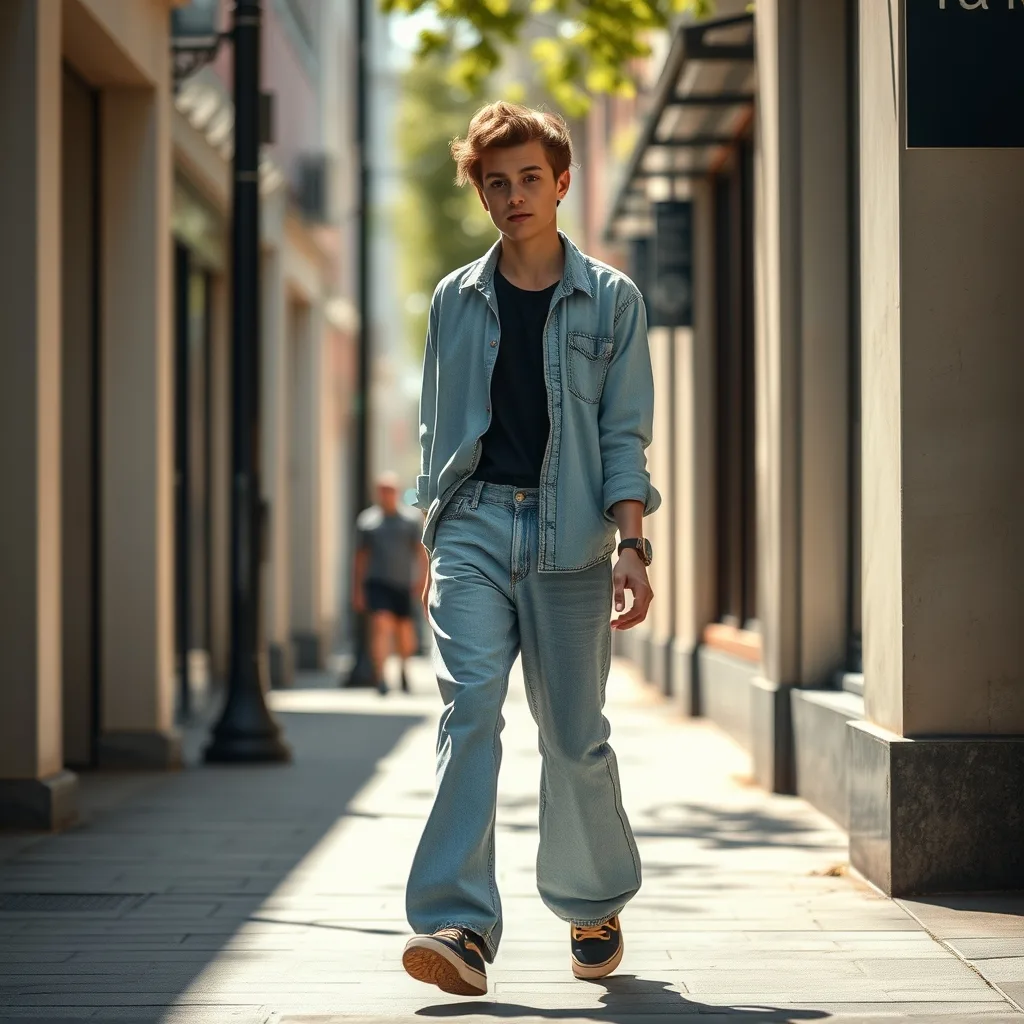
Fashion cycles have a way of surprising us. Just when skinny jeans felt like they would dominate forever, the tide turned. Loose-fit jeans are experiencing a major resurgence, and this time it’s not just about nostalgia. The return of relaxed denim reflects a broader cultural shift toward comfort, authenticity, and personal style over rigid trends.
Key takeaways
- Balance loose jeans with fitted or tucked-in tops to maintain a polished silhouette and avoid looking overwhelmed by fabric.
- Choose dark, non-distressed washes for professional settings and wide-leg cuts with dressy tops for evening social events.
- Look for premium denim with a touch of stretch to ensure the jeans maintain their shape throughout the day.
- Loose-fit styles often last longer than skinny jeans because the fabric experiences less tension and wear at stress points.
What makes this moment different from past revivals is the intentionality behind it. People aren’t simply reaching for baggy jeans because they remind them of the 1990s. They’re choosing loose-fit denim because it fits their lives, their values, and their desire for clothing that moves with them rather than constrains them. The pandemic accelerated this shift, but the staying power suggests something deeper is at play.
This guide explores why loose-fit jeans are back, how to style them for different occasions, and what this trend reveals about our changing relationship with fashion. Whether you’re a longtime fan of relaxed cuts or considering your first pair, understanding this movement will help you make confident choices that work for your wardrobe and your life.
The Cultural Shift Behind the Trend
The return of loose-fit jeans didn’t happen in isolation. It emerged from a perfect storm of cultural changes that redefined what people want from their clothing. Understanding these shifts helps explain why this trend has staying power.
First, the pandemic fundamentally altered our relationship with comfort. Years of working from home, living in sweatpants, and prioritizing ease over formality created new expectations. When people returned to offices, social events, and daily errands, they didn’t want to sacrifice the comfort they’d grown accustomed to. Loose-fit jeans offered a middle ground: the structure and versatility of denim combined with the ease of relaxed silhouettes.
Second, body positivity and size inclusivity movements have pushed fashion toward more forgiving cuts. Skin-tight jeans work for a narrow range of body types, while relaxed fits accommodate diverse shapes without demanding that wearers change their bodies to fit the clothes. This inclusivity aligns with broader cultural values around acceptance and accessibility.
Third, there’s a growing rejection of disposable fast fashion. Consumers increasingly seek pieces that will remain stylish for years rather than months. Loose-fit jeans have a timeless quality that transcends micro-trends. They reference multiple eras without being locked into a single moment, making them feel like investments rather than impulse purchases.
The influence of social media cannot be ignored either. Platforms like TikTok and Instagram have democratized fashion, allowing niche aesthetics to gain mainstream traction quickly. The rise of “coastal grandmother,” “cottagecore,” and “old money” aesthetics all incorporate relaxed denim, introducing new audiences to styles they might not have encountered through traditional fashion media.
What Sets Modern Loose-Fit Jeans Apart
Today’s loose-fit jeans differ significantly from their predecessors. While they share DNA with the baggy styles of past decades, modern interpretations offer refined cuts, better construction, and more thoughtful design details.
The most notable difference is proportion. Where 1990s baggy jeans often featured exaggerated, almost comical volumes, contemporary loose fits maintain a sense of intention. The leg may be wide, but it tapers slightly at the ankle or falls in a way that creates a clean line rather than overwhelming the frame. This makes them more wearable for a variety of body types and styling approaches.
Fabric quality has also improved. Many brands now use premium denim with a touch of stretch, allowing loose fits to maintain their shape throughout the day. Older baggy jeans often sagged and stretched out, looking sloppy by afternoon. Modern versions hold their structure while still providing the ease that makes the style appealing.
Construction details matter more now. Reinforced seams, quality hardware, and thoughtful pocket placement elevate loose-fit jeans from casual basics to wardrobe foundations. Brands are investing in details that were once reserved for premium skinny jeans, recognizing that relaxed fits deserve the same attention to craftsmanship.
The rise of sustainable denim production has also influenced the loose-fit renaissance. Many consumers choose relaxed cuts from brands that prioritize organic cotton, ethical manufacturing, and reduced water usage. The slower, more intentional approach to fashion that loose-fit jeans represent aligns with environmental values, making the choice feel meaningful beyond aesthetics.
Finding Your Ideal Loose-Fit Silhouette
Not all loose-fit jeans are created equal. Understanding the variations helps you find the pair that works best for your body, style, and lifestyle needs. The main categories each offer distinct advantages.
Relaxed straight-leg jeans offer the most versatile entry point. They provide room through the hip and thigh while maintaining a consistent width from knee to ankle. This cut works well for those who want ease without committing to a dramatically wide silhouette. It pairs easily with everything from fitted tops to oversized sweaters and transitions seamlessly from casual workplaces to weekend activities.
Wide-leg jeans make a bolder statement. These feature a dramatic flare from the hip or knee, creating maximum volume and movement. They work beautifully for evening looks, creative environments, or anyone who wants their jeans to feel like a style choice rather than a basic. The key is balancing proportions with a more fitted or tucked-in top.
Boyfriend jeans offer a deliberately borrowed-from-the-boys aesthetic. They typically sit lower on the waist and feature a slouchy fit through the hip and thigh. This style works well for casual, off-duty looks and pairs naturally with simple tees and sneakers. The key is choosing a pair that doesn’t overwhelm your frame.
Barrel-leg or balloon jeans represent a more fashion-forward option. These feature volume through the thigh that tapers dramatically at the ankle, creating a curved, sculptural shape. They make a strong style statement and work best for those who enjoy experimenting with proportion and silhouette.
When shopping, pay attention to rise as well as leg width. High-rise loose-fit jeans create a different effect than mid or low-rise versions. Higher rises tend to feel more polished and can make legs appear longer, while lower rises offer a more casual, relaxed vibe. Your torso length and personal comfort preferences should guide this choice.
Styling Loose-Fit Jeans for Different Occasions
One concern people often have about loose-fit jeans is whether they can work beyond casual settings. The answer is a resounding yes, with the right styling approach. The key lies in understanding how to create balanced outfits that feel appropriate for the context.
For casual everyday wear, the formula is straightforward. Pair loose-fit jeans with a simple tucked-in tee or a relaxed-fit top that skims rather than clings. Sneakers, loafers, or flat boots all work depending on the season. The goal is effortless ease without looking unkempt. A belt can add polish, while minimal jewelry keeps the look feeling intentional rather than thrown together.
Work-appropriate styling requires more attention to detail. Choose loose-fit jeans in a dark wash without distressing. Pair them with a tucked-in blouse, a blazer, or a fine-knit sweater. Heeled boots or polished flats elevate the look. The combination of refined tops with relaxed denim creates a modern business-casual aesthetic that feels current rather than sloppy.
For evening and social events, loose-fit jeans can be surprisingly elegant. Wide-leg styles in particular have a flowing, almost trouser-like quality that works beautifully with dressier tops. Try pairing them with a silk camisole, a structured jacket, and heeled sandals. Statement jewelry and a clutch complete the transformation from basic to chic.
Weekend and active lifestyles benefit enormously from loose-fit jeans. The extra room allows for comfortable movement during errands, casual outings, or travel. They’re particularly well-suited to biking, as tight jeans can restrict movement and cause discomfort. The key is choosing a durable denim that can handle activity while maintaining its shape.
Seasonal styling offers additional opportunities. In warmer months, cropped loose-fit jeans pair well with sandals and lightweight tops. During colder seasons, the extra room accommodates thermal layers underneath, and straight or wide-leg cuts fit easily over boots. This versatility across seasons adds to their practical appeal.
Building a Wardrobe Around Loose-Fit Denim
If you’re considering making loose-fit jeans a cornerstone of your wardrobe, think about how they integrate with your existing pieces and overall style goals. A thoughtful approach helps you build a cohesive wardrobe rather than a collection of random purchases.
Start by identifying your color palette. Dark indigo and black loose-fit jeans offer the most versatility, working for everything from casual to dressy occasions. Lighter washes have a more relaxed, warm-weather feel. Having two to three pairs in different washes provides options without overwhelming your closet.
Consider your top collection. Loose-fit jeans work best with tops that create balance. Fitted or tucked-in styles prevent the overall look from becoming shapeless. Cropped jackets and cardigans create definition at the waist. Oversized tops can work, but require careful proportioning to avoid looking swallowed by fabric.
Shoe choice significantly affects the overall vibe. Sneakers create a casual, sporty feel. Ankle boots add edge. Heeled mules or sandals dress things up. Pointed flats offer polish without height. Having footwear options that work with your jeans expands their versatility enormously.
Think about your lifestyle needs. If you work in an office, prioritize dark washes without distressing. If your days involve lots of movement, look for denim with a touch of stretch. For creative environments, you might experiment with more fashion-forward silhouettes and washes.
Don’t forget about care and longevity. Quality loose-fit jeans are an investment. Washing them less frequently, using cold water, and air drying when possible extends their life and maintains their appearance. Many denim enthusiasts recommend spot cleaning between washes and only laundering when truly necessary.
The Sustainability Connection
The return of loose-fit jeans aligns with growing consumer interest in sustainable fashion. This connection isn’t coincidental; relaxed silhouettes offer genuine environmental advantages that conscious consumers appreciate.
Loose-fit jeans tend to have longer lifespans than their tight counterparts. Skinny jeans often show wear quickly at stress points like inner thighs and knees. The fabric stretches and bags out, sometimes within months. Loose-fit styles experience less tension, meaning they maintain their appearance longer. This durability translates to fewer replacements and reduced overall consumption.
The trend also encourages buying less but better. Rather than chasing micro-trends that feel dated within a season, investing in well-made loose-fit jeans provides years of wear. This approach reduces the demand for fast fashion production, which has significant environmental costs in terms of water usage, chemical pollution, and textile waste.
Many brands producing loose-fit jeans prioritize sustainable practices. Look for organic or recycled cotton, responsible dyeing processes, and transparent supply chains. Certifications like GOTS (Global Organic Textile Standard) and Fair Trade indicate commitment to environmental and social responsibility. Supporting these brands signals demand for better industry practices.
The timeless quality of loose-fit jeans also means they can be passed along to others when you’re finished with them. Thrift stores and consignment shops regularly feature quality denim, and relaxed cuts appeal to a broad range of shoppers. This extends the garment’s life beyond a single owner, reducing its overall environmental impact.
Some consumers are choosing to repair rather than replace. Loose-fit jeans often have enough fabric to accommodate creative mending, patches, or alterations. A small hole doesn’t render them unwearable; it becomes an opportunity for personalization. This repair culture extends garment life and reduces waste.
Addressing Common Concerns
Despite their popularity, some people remain hesitant about loose-fit jeans. Addressing these concerns directly helps you make an informed decision about whether the style works for you.
The most common worry is that loose jeans will make the wearer look larger or shorter. While proportion matters, this concern is often overstated. The key is finding the right fit for your body. A well-chosen pair that sits at the natural waist and falls cleanly to the floor or ankle can actually create a long, lean line. Heels help, but aren’t necessary if the proportions are right.
Others worry about looking sloppy or unstylish. This concern usually stems from memories of ill-fitting, poorly made baggy jeans from decades past. Modern loose-fit jeans are designed with intention and constructed with quality. When styled thoughtfully, they look polished and current rather than disheveled.
Some people find the transition from skinny jeans psychologically difficult. After years of skin-tight denim, anything else feels foreign. The adjustment period is real but temporary. Most people find that once they experience the comfort and versatility of loose fits, they never want to go back.
Price can be a barrier, as quality loose-fit jeans often cost more than fast-fashion alternatives. However, the cost-per-wear of a well-made pair that lasts for years often works out favorably compared to cheaper jeans that need frequent replacement. Sales, secondhand options, and emerging sustainable brands offer entry points at various price levels.
Fit challenges are real, especially for those with significant differences between waist and hip measurements. Many brands now offer curvy-specific cuts in relaxed styles. Trying multiple sizes and styles, rather than assuming one number defines you, helps find the best fit. Tailoring is also an option for fine-tuning.
The Future of Loose-Fit Denim
Fashion predictions are inherently uncertain, but several factors suggest loose-fit jeans will remain relevant for years to come. Understanding these trends helps you make wise investment decisions.
The broader movement toward comfort shows no signs of reversing. People have experienced the benefits of clothing that accommodates real life, and they’re reluctant to return to restrictive options. This cultural shift provides a stable foundation for relaxed silhouettes.
Sustainability concerns will likely intensify, favoring timeless styles over trend-driven pieces. Loose-fit jeans’ durability and versatility align perfectly with this mindset. As consumers become more educated about fashion’s environmental impact, pieces that last and transcend seasons become more valuable.
Designers continue to innovate within the loose-fit category. We’re seeing interesting variations in proportion, detail, and construction that keep the style feeling fresh. This ongoing evolution suggests the category has creative life left, rather than representing a static trend awaiting inevitable decline.
The influence of Gen Z should not be underestimated. This generation has embraced relaxed denim enthusiastically, and their preferences shape retail offerings. As they gain purchasing power and enter workplaces, their style choices will continue to influence mainstream fashion.
That said, fashion remains cyclical. Skinny jeans may eventually return, but they’ll likely coexist with relaxed options rather than replacing them entirely. The future of denim appears to be one of diversity and choice, where multiple silhouettes are acceptable and individuals can select what works for their bodies, styles, and lives.
The Anatomy of Quality Loose-Fit Denim
Understanding construction details transforms you from a passive shopper into an informed buyer. Quality loose-fit jeans reveal their craftsmanship in specific ways that affect both appearance and longevity.
Start with the fabric weight. Denim is measured in ounces per square yard, typically ranging from 8 to 14 ounces. Lighter weights around 9 to 10 ounces have a softer drape and work well for wide-leg styles that benefit from fluidity. Mid-weight denim at 11 to 12 ounces offers structure while remaining comfortable, ideal for straight-leg cuts. Heavier weights at 13 ounces and above create architectural silhouettes that hold their shape dramatically but require a break-in period. The weight should match both the style of the jean and your climate; heavyweight denim in humid summers becomes uncomfortable quickly.
Examine the selvedge line if present. Selvedge denim features a tightly woven edge that prevents unraveling, visible when you cuff the jeans. This construction method produces a cleaner finish and typically indicates higher quality, though non-selvedge denim can also be excellent. The presence of selvedge often correlates with slower, more careful production, but the absence doesn’t automatically mean inferior quality.
Check the pocket construction. Well-made loose-fit jeans have reinforced pockets that lie flat against the body rather than gaping outward. The pocket bags should be deep enough to be functional, not merely decorative. Cheap pocket construction becomes obvious after a few wears when corners begin to curl and protrude unattractively.
Inspect the rise construction. Quality jeans maintain their shape at the waist through proper interfacing and reinforced stitching. The waistband should feel substantial, not flimsy. Look for belt loops that are securely attached and wide enough to accommodate standard belts without bunching.
Hardware reveals attention to detail. Quality rivets and buttons are typically metal rather than plastic, often with brand markings. Zippers should move smoothly and lie flat. Bar tacks at stress points prevent tearing. These details might seem minor individually, but collectively they determine how well the jeans age.
Navigating Size and Fit Challenges
Finding the right loose-fit jeans involves understanding how sizing works across brands and learning to identify fit issues before they become problems. The relaxed nature of these jeans actually simplifies some aspects of fit while complicating others.
Sizing inconsistencies between brands are significant. A size 28 in one brand might fit completely differently than a size 28 in another, especially in the waist-to-hip ratio. Some brands design for a straighter figure through the hips, while others accommodate more curve. This variation isn’t a flaw in your body; it’s a reflection of different design philosophies. Ignore the number on the tag and focus on how the jeans actually fit.
The waist gap presents the most common challenge for loose-fit jeans. If the jeans fit your hips but gap at the waist, you have several options. Look for brands offering curvy-specific cuts, which account for significant difference between waist and hip measurements. High-rise styles often fit more securely at the smallest part of the waist. Adjustable waistbands with hidden elastic or side tabs allow customization. Alternatively, a good tailor can take in the waist for a relatively modest cost, usually fifteen to thirty dollars.
Inseam length affects the overall silhouette. Too long, and the excess fabric puddles at the ankle, creating a sloppy appearance and premature wear from dragging on the ground. Too short, and the proportion looks off, especially with wide-leg styles. Most loose-fit jeans look best skimming the floor or hitting just above it with shoes on. If you’re between lengths, buy longer and hem to your exact specification. Many retailers offer free or low-cost hemming services.
Consider the thigh room carefully. Loose-fit jeans should provide ease through the thigh without excessive fabric. You should be able to pinch about an inch of fabric on each side when standing. More than that might create an exaggerated silhouette that overwhelms your frame. Less suggests the fit is too restrictive for the style.
The hip fit determines comfort and appearance. The jeans should glide over your hips without pulling or straining at the seams. If you see stress lines radiating from the hip area, the jeans are too tight regardless of the stated size. Conversely, if the jeans collapse or fold at the hip, they’re too loose and will shift uncomfortably during wear.
Historical Context and Evolution
Loose-fit jeans didn’t emerge from nowhere. Understanding their history provides context for the current revival and helps explain why certain elements of the style feel timeless while others read as distinctly dated.
Workwear origins established the functional foundation. Denim work pants from the late nineteenth and early twentieth centuries featured relaxed cuts designed for physical labor. The extra room allowed workers to crouch, climb, and move freely. Function dictated form, creating silhouettes that later generations would adopt for style rather than utility.
The 1950s and 1960s saw relaxed denim associated with rebellion. Figures like James Dean and Marlon Brando popularized jeans as counter-culture uniform, though their cuts were relatively slim by contemporary standards. The association between denim and youth culture was established, setting the stage for more dramatic silhouettes to come.
The 1970s introduced bell-bottoms and flare cuts, dramatically expanding the volume below the knee. This era established the connection between wide legs and self-expression. The proportions were extreme by today’s standards, but the willingness to experiment with silhouette paved the way for contemporary interpretations.
The 1990s represent the most direct ancestor of today’s loose-fit styles. Hip-hop culture embraced oversized silhouettes as markers of identity and community. Skaters adopted baggy jeans for practical reasons; the extra fabric provided protection during falls and allowed unrestricted movement. These distinct communities developed their own variations on the loose-fit theme, establishing visual codes that designers still reference.
The 2000s saw the pendulum swing toward skinny jeans, culminating in the extremely tight styles that dominated the 2010s. This period created a contrast that makes current loose-fit jeans feel fresh by comparison. The cycle of fashion means that yesterday’s rejection becomes tomorrow’s revival.
Contemporary designers draw from this entire history, selectively referencing elements while updating proportions and details. Current loose-fit jeans might echo the workwear functionality of the early twentieth century, the rebellious associations of the 1950s, the expressive volume of the 1970s, or the cultural specificity of the 1990s. This layered history gives the style depth beyond mere trend-chasing.
Regional and Cultural Variations
Loose-fit jeans manifest differently across cultures and regions, reflecting local preferences, climates, and style traditions. Understanding these variations expands your styling vocabulary and helps you make choices aligned with your aesthetic goals.
Japanese denim culture has significantly influenced contemporary loose-fit styles. Japanese brands pioneered careful reproduction of vintage American cuts, eventually developing their own interpretations. The emphasis on fabric quality, indigo dyeing techniques, and precise construction created a standard that global brands now reference. Japanese-style loose-fit jeans often feature slightly shorter inseams designed to be worn cuffed, showcasing the selvedge line and creating a distinctive break at the ankle.
European approaches tend toward cleaner, more minimal styling. Scandinavian brands in particular have embraced relaxed silhouettes paired with refined basics. The overall effect reads as effortless rather than casual, with careful attention to proportion and fabric quality. European loose-fit jeans often feature subtle design details rather than overt workwear references.
American heritage brands maintain connections to workwear traditions. Their loose-fit styles often feature details like hammer loops, reinforced knees, or specific pocket configurations drawn from actual labor garments. These functional elements provide visual interest and authentic reference points, even when the jeans are worn purely for style.
Climate influences regional preferences in practical ways. Warmer regions favor lighter weight denim and cropped lengths that work with sandals. Colder climates see more layering under loose-fit jeans and styling with substantial boots. The same pair of jeans might be styled completely differently in Los Angeles versus Stockholm.
Urban versus rural contexts also affect styling. City styles often lean into the fashion-forward possibilities of loose silhouettes, with unexpected proportions and statement-making volume. Rural and suburban contexts might favor more practical interpretations that read as casual rather than directional. Neither approach is superior; they’re simply different applications of the same garment.
Care and Maintenance for Longevity
Proper care extends the life of loose-fit jeans significantly, preserving both appearance and fit. The investment in quality denim deserves corresponding attention to maintenance.
Wash frequency matters more than most people realize. Denim doesn’t require washing after every wear. In fact, excessive washing accelerates wear and fades the color prematurely. Most experts recommend washing jeans every ten to twenty wears, or when they’re visibly soiled or have absorbed odors. Between washes, airing out jeans overnight and spot cleaning minor stains preserves freshness.
When washing becomes necessary, turn jeans inside out to protect the outer surface from abrasion. Use cold water to preserve color and prevent shrinkage. Choose a gentle cycle with similar colors. Avoid harsh detergents, bleach, or fabric softeners, which can break down fibers and affect the denim’s character. Mild detergents specifically formulated for denim are available, though any gentle, pH-neutral detergent works well.
Drying method significantly affects fit and longevity. Machine drying is convenient but subjects denim to high heat and tumbling action that causes shrinkage, fades color, and weakens fibers. Air drying preserves the fabric best. Hang jeans by the waistband or lay flat, reshaping while damp to maintain the intended silhouette. If you must machine dry, use the lowest heat setting and remove while slightly damp to minimize damage.
Storage affects how jeans maintain their shape. Folding along the natural creases prevents odd wrinkles from forming. Hanging by the waistband or belt loops works for styles that benefit from a straight hang. Avoid wire hangers, which can distort the waistband. Climate-controlled storage prevents moisture damage and fading from sun exposure.
Address repairs promptly. Small holes become larger with continued wear. Reinforcing thinning areas before they fail extends the garment’s life considerably. Many denim enthusiasts embrace visible mending as a form of personalization, using contrasting thread or patches to make repairs part of the garment’s story. Professional repairs for significant damage typically cost far less than replacing quality jeans.
Building Outfits Around Proportion
Mastering loose-fit jeans requires understanding proportion as a styling tool. The relationship between the volume of your jeans and other garments determines whether an outfit looks intentional or haphazard.
The most reliable approach balances volume with fitted elements. If your jeans are loose, choosing a top that’s more fitted or can be tucked creates contrast that defines your shape. This doesn’t mean skin-tight tops; merely styles that suggest the body underneath without being restrictive. The fitted element provides a visual anchor that prevents the silhouette from becoming overwhelming.
Volume-on-volume styling creates a different effect entirely. Pairing oversized jeans with an oversized top reads as deliberate fashion statement rather than oversight. This approach works best when there’s some structure involved; a boxy jacket over loose jeans creates a defined shoulder line that anchors the look. The key is intentionality; the outfit should read as curated, not like you grabbed random items from your closet.
Length relationships affect overall proportion. Cropped tops with high-rise loose jeans expose a small section of midriff, creating a focal point that breaks up the volume. Long tops that hit below the hip create a continuous line that works well with straight-leg cuts. Tunics and dresses over loose jeans reference styling approaches from various eras and cultures, offering creative possibilities beyond standard top-and-jeans combinations.
Layering adds dimension to loose-fit jean outfits. A fitted base layer under an open cardigan or jacket creates visual interest through the play of fitted and relaxed elements. The loose jeans become part of a considered composition rather than a standalone piece. Vest layers, open shirts, and lightweight scarves all contribute to this layered approach.
Shoe choice dramatically affects proportion. Chunky shoes or platforms balance the volume of wide-leg jeans, creating visual weight at the bottom of the silhouette. Sleek shoes like pointed flats or heeled sandals provide contrast to the jeans’ volume, creating a more refined overall impression. The relationship between jean length and shoe height matters; the hem should either clear the floor or break elegantly over the shoe without excessive bunching.
Accessories contribute to proportional balance. A belt at the waist defines your middle, preventing loose jeans from obscuring your shape entirely. Structured bags provide contrast to the softness of relaxed denim. Scarves, hats, and jewelry draw the eye upward, creating focal points that balance the volume below. Consider the entire silhouette when accessorizing, not just individual pieces.
Frequently Asked Questions
Are loose-fit jeans flattering for all body types?
Loose-fit jeans can work beautifully for diverse body types when chosen thoughtfully. The key is finding the right proportions for your frame. High-rise styles often create a flattering silhouette by defining the waist and elongating the leg. Those with shorter stature may prefer styles that fall straight to the floor without excess fabric at the ankle. Curvy figures might benefit from styles designed specifically for hip-to-waist ratios. The versatility of the category means there are options for everyone, even if not every loose-fit style works for every body.
How do I prevent loose-fit jeans from looking sloppy?
The difference between stylish and sloppy often comes down to styling and fit. Choose jeans that fit well at the waist; gaping waistbands undermine the polished look. Tucking in your top or choosing a slightly cropped style creates definition and prevents the silhouette from becoming shapeless. Pay attention to length; jeans that puddle excessively on the floor look less intentional. Finally, consider your shoes. A shoe with a bit of structure or heel can elevate the entire look.
Can I wear loose-fit jeans to work?
Many workplaces now accept well-styled loose-fit jeans as appropriate business casual attire. The key is selecting dark washes without distressing or excessive fading. Pair them with refined tops like blouses, fine knits, or structured t-shirts. Adding a blazer, tailored jacket, or cardigan creates instant polish. Your footwear matters too; ankle boots, loafers, or heels dress up the look. Always consider your specific workplace culture and dress code, but know that many offices have embraced relaxed denim.
How should loose-fit jeans fit at the waist?
Loose-fit jeans should sit comfortably at your natural waist without gaping, pinching, or requiring constant adjustment. You should be able to slide two fingers into the waistband without difficulty. If there’s significant gaping at the back, try a different size or look for styles designed for your body type. Some loose-fit jeans sit lower on the hips by design; in those cases, the fit should still be secure enough to stay in place without a belt, even if a belt enhances the look.
What shoes work best with loose-fit jeans?
The beauty of loose-fit jeans is their versatility with footwear. Sneakers create a casual, everyday look. Ankle boots, whether flat or heeled, add edge and work for multiple seasons. For a dressier approach, try pointed flats, loafers, or heeled sandals. Wide-leg styles look particularly elegant with heeled mules or strappy sandals. Straight-leg cuts often work well with shoes that have some substance, like chunky loafers or platform sneakers. The best choice depends on the specific jean style, the occasion, and your personal comfort preferences.
Related posts:
 Katie Holmes’ Winter Style
 Katie Holmes’ Everlane Style
 Score Major Savings on Good American’s Secret Spring Sale
 One-Piece Wonders: Cute Swimsuits That Flatter Every Body
 Perfect Date Night Outfits
 Abercrombie & Fitch Denim Sale: Upgrading Your Jeans Game
 90s Style Sweatshirts Revival
 Green Fashion Face-Off: H&M’s Fall Collection vs. Truly Eco-Friendly Brands