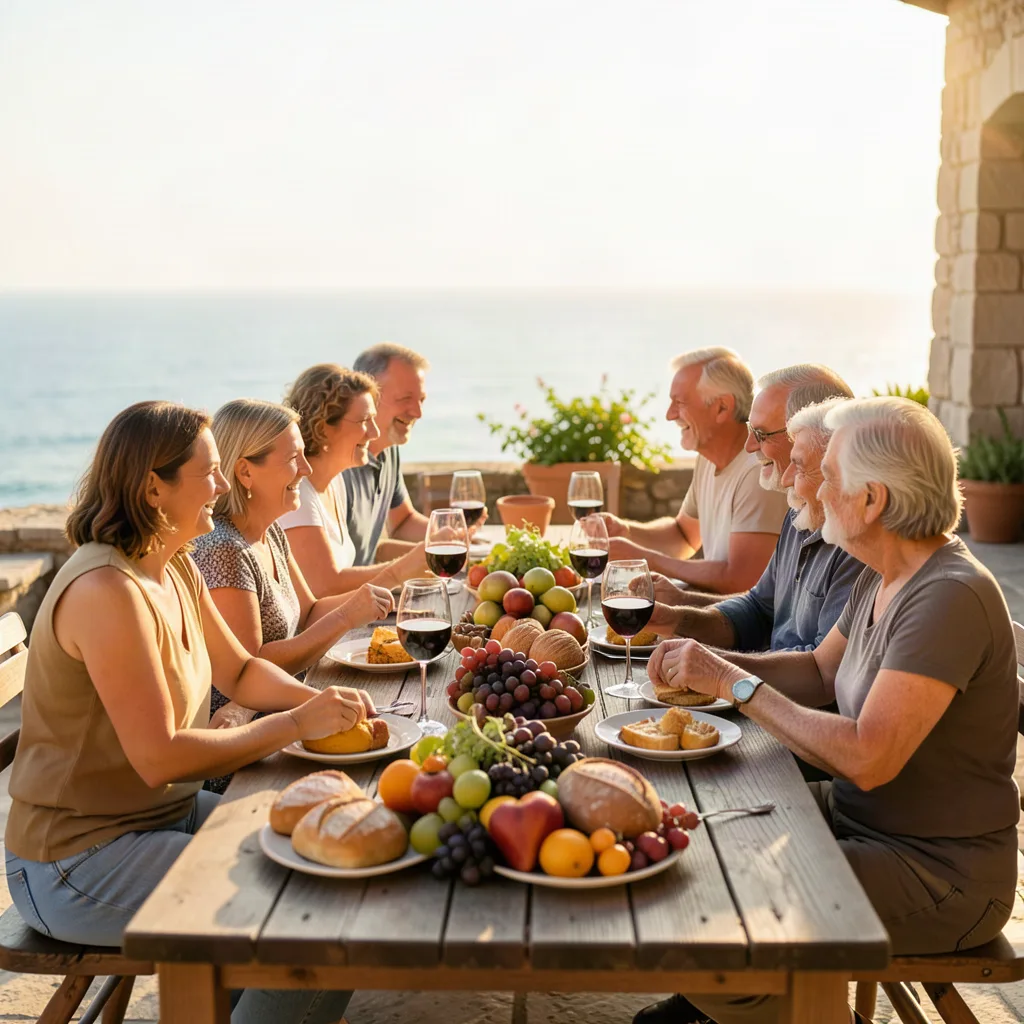
The Mediterranean lifestyle has long been celebrated for its vibrant cuisine, yet the true power of this way of living extends far beyond the plate. It weaves together daily movement, restorative rest, strong social ties, and a deep respect for seasonal rhythms. Understanding these interconnected elements can help anyone cultivate a more balanced, resilient life without adopting a rigid program.
Key takeaways
- Integrate movement into daily routines like gardening or walking instead of relying solely on structured gym workouts.
- Prioritize social, leisurely meals to improve digestion, satiety, and mental well-being through positive communal connection.
- Adopt restorative habits like brief afternoon pauses, consistent sleep schedules, and reduced evening blue light exposure.
- Use affordable staples like legumes, seasonal produce, and canned fish to maintain a healthy, budget-friendly pantry.
The Roots of the Mediterranean Way of Life
Historically, the peoples bordering the Mediterranean Sea shared a climate that encouraged outdoor activity, abundant fresh produce, and communal gatherings. Their daily routines were shaped by agriculture, fishing, and trade, creating a natural rhythm of work, meals, and rest. Modern research highlights that this holistic pattern — rather than any single food — correlates with lower rates of chronic disease and greater longevity. The lesson is clear: health emerges from a lifestyle ecosystem, not from isolated nutrients.
Food as a Social Ritual
Meals in the Mediterranean tradition are leisurely events where family and friends gather, converse, and share multiple small dishes. This practice slows eating pace, allowing satiety signals to register and reducing overconsumption. The emphasis on plant‑based ingredients — vegetables, legumes, whole grains, nuts, and olive oil — provides fiber, antioxidants, and healthy fats. Yet the social context is equally vital; studies suggest that regular communal dining supports mental well‑being and reinforces healthy choices through positive peer influence.
Daily Movement Integrated Into Routine
Rather than scheduling a separate workout, traditional Mediterranean life embeds physical activity into everyday tasks. Walking to the market, tending a garden, climbing stairs in hillside villages, and dancing at festivals all contribute to a high baseline of non‑exercise activity thermogenesis. This approach makes movement sustainable because it does not rely on motivation or gym access. For modern adopters, simple swaps — parking farther from entrances, taking short walking breaks, or using a standing desk — replicate the same cumulative benefit.
Rest, Sleep, and Stress Management
Afternoon rest periods, known in some cultures as a brief siesta, align with natural circadian dips and provide recovery for both body and mind. Consistent sleep schedules, limited artificial light in the evening, and rituals such as herbal tea or quiet reflection help regulate stress hormones. Chronic stress is linked to inflammation, so these restorative habits act as a protective buffer. Practically, setting a wind‑down alarm, dimming lights an hour before bed, and practicing diaphragmatic breathing for five minutes can mirror this ancient wisdom.
Community and Intergenerational Bonds
Strong social networks are a hallmark of Mediterranean societies. Multi‑generational households, neighborhood festivals, and mutual aid during harvests create a sense of belonging and purpose. Research consistently shows that social isolation carries health risks comparable to smoking. Cultivating community can be as simple as joining a local cooking class, volunteering at a garden, or scheduling regular video calls with distant relatives. The key is regular, meaningful interaction rather than occasional large gatherings.
Connection to Nature and Seasonal Rhythms
Seasonal eating ensures a rotating variety of nutrients and reduces reliance on imported, processed foods. It also fosters a psychological connection to the environment, reinforcing mindfulness about food origins. Outdoor time — whether strolling along a coastline, hiking a trail, or sitting in a courtyard — exposes individuals to natural light, which supports vitamin D synthesis and mood regulation. Urban dwellers can mimic this by visiting farmers markets, growing herbs on a balcony, or scheduling weekly park visits.
Practical Steps to Adopt the Lifestyle Today
- Start meals with a vegetable‑based soup or salad to increase fiber intake.
- Replace refined oils with extra‑virgin olive oil for cooking and dressings.
- Incorporate a 10‑minute walk after each main meal.
- Set a consistent bedtime and create a screen‑free wind‑down routine.
- Plan one weekly shared meal with friends or family, rotating hosting duties.
- Visit a local market or join a community‑supported agriculture box for seasonal produce.
- Practice a brief gratitude or breathing exercise during a daily pause.
These actions require minimal cost and can be layered gradually. The goal is to build a personal ecosystem where nutrition, movement, rest, community, and nature reinforce each other.
Seasonal Preservation and Home Cooking Techniques
Preserving the bounty of each season lets you keep Mediterranean flavors on the table year round without relying on imported produce. Traditional households dry tomatoes on rooftop racks, ferment olives in brine, and pack eggplant into olive oil for long‑term storage. A simple start is making a batch of passata: blanch ripe tomatoes for thirty seconds, peel, crush, and simmer with a splash of extra‑virgin olive oil, a pinch of sea salt, and a few basil leaves before sealing in sterilized jars. The result is a versatile base for sauces, soups, and stews that retains the bright acidity of summer.
Herb drying is another low‑effort method. Tie small bunches of oregano, thyme, rosemary, or marjoram and hang them upside down in a well‑ventilated, shaded corner. After a week the leaves crumble easily and can be stored in airtight tins. For a quick infusion, warm olive oil gently with a handful of dried herbs, let steep for twenty minutes, then strain. The flavored oil elevates roasted vegetables, grilled fish, or a simple slice of crusty bread.
Fermentation adds probiotic depth. A classic lacto‑fermented carrot‑ginger relish uses julienned carrots, grated ginger, a tablespoon of sea salt per kilogram of vegetables, and a splash of water. Pack tightly in a jar, weigh down with a clean stone, and leave at room temperature for five to seven days, burping daily. The tangy crunch pairs beautifully with grilled halloumi or as a topping for whole‑grain flatbread.
Edge cases such as limited kitchen space or no outdoor drying area can be solved with a dehydrator or an oven set to its lowest temperature (around 50 °C). Spread thin slices of zucchini, peppers, or figs on parchment and dry for six to eight hours, turning once. The dried pieces rehydrate quickly in warm broth, giving you a ready‑to‑use vegetable stock booster.
Finally, preserve citrus by quartering lemons, packing them with coarse salt, and covering with their own juice. After three weeks the rinds soften and become a fragrant condiment for tagines, grain salads, or a finishing squeeze over roasted chickpeas. These techniques keep the Mediterranean pantry alive through winter while reinforcing the seasonal rhythm that underpins the lifestyle.
Adapting the Mediterranean Lifestyle on a Tight Budget
Cost should not be a barrier to adopting Mediterranean patterns. The core foods — legumes, whole grains, seasonal vegetables, and olive oil — are among the most affordable staples when bought in bulk. A kilogram of dried chickpeas yields roughly three kilograms of cooked beans, providing protein, fiber, and iron for a fraction of the price of meat. Soak overnight, simmer with a bay leaf, and portion into freezer bags for quick additions to soups, salads, or homemade hummus.
Farmers markets often offer “ugly” produce at a discount. Misshapen tomatoes, slightly bruised peaches, or oversized zucchinis are perfect for sauces, compotes, or ratatouille where appearance does not matter. Building a relationship with a vendor can also secure end‑of‑day deals on herbs and greens that would otherwise be discarded.
Community‑supported agriculture (CSA) boxes spread the cost of a season’s harvest across weekly payments. If a full share is too large, split a box with a neighbor or coworker. Many CSAs now offer “half‑share” or “pay‑as‑you‑go” options, and some accept SNAP benefits, making fresh, local produce accessible to low‑income households.
Cooking in batches reduces energy use and waste. Prepare a large pot of minestrone on Sunday, using whatever vegetables are on hand, and freeze individual portions. The same principle applies to grain bases: cook a big batch of farro, barley, or brown rice, then reheat with different vegetable medleys, legumes, or a drizzle of herb‑infused oil throughout the week.
For those living in food deserts, frozen vegetables are a nutritional equal to fresh when harvested at peak ripeness. Stock the freezer with mixed Mediterranean blends — artichoke hearts, spinach, bell peppers — and incorporate them into stir‑fries, frittatas, or grain bowls. Canned tomatoes, beans, and fish (sardines, mackerel) provide shelf‑stable sources of omega‑3s and lycopene without the premium price of fresh seafood.
Finally, grow a few herbs on a windowsill or balcony. Basil, mint, and parsley thrive in modest pots and supply fresh flavor for months, eliminating the need to buy small, expensive bunches. A single rosemary plant can season dozens of roasted vegetable trays, reinforcing the principle that small, consistent investments yield outsized culinary returns.
Integrating Mediterranean Rhythms into Modern Work Schedules
Modern employment often fragments the natural cadence of activity, rest, and meals. Yet the Mediterranean model can be woven into shift work, remote offices, and high‑pressure environments through micro‑adjustments that respect circadian biology. Begin by anchoring a consistent wake‑time, even on days off, to stabilize the internal clock. Exposure to bright light within the first thirty minutes — whether from a sunrise walk, a light‑therapy lamp, or a well‑lit kitchen — signals the suprachiasmatic nucleus to suppress melatonin and boost alertness.
For desk‑bound roles, embed movement into existing tasks. Schedule walking meetings for one‑on‑one check‑ins, use a standing desk for the first hour of the morning, and set a timer for a two‑minute stretch every fifty minutes. Research shows that frequent low‑intensity bouts accumulate to the same metabolic benefit as a single thirty‑minute session, while also breaking mental fatigue.
Meal timing can mirror the traditional midday “main meal” followed by a lighter evening repast. Prepare a substantial lunch — grain, legume, abundant vegetables, olive oil — and keep dinner to a modest portion of protein with a salad. If shift times invert this pattern, simply flip the meals: a hearty “breakfast” at 6 pm before a night shift, and a light “supper” after the shift ends. The key is maintaining a twelve‑hour eating window that aligns with the body’s insulin sensitivity peak.
Short restorative pauses, akin to the siesta, can be adapted as a ten‑minute power nap or a guided breathing exercise during a scheduled break. Apps that play a soft chime at the twenty‑minute mark prevent grogginess. For night‑shift workers, a dark, quiet room with blackout curtains and a cool temperature (around 18 °C) mimics the nocturnal dip and improves recovery sleep quality.
Digital boundaries protect the evening wind‑down. Turn off non‑essential notifications after a set hour, replace screen scrolling with a paper book or a handheld puzzle, and dim household lights to amber tones. Blue‑light filtering glasses are a practical backup when late‑night emails are unavoidable. These habits collectively recreate the Mediterranean rhythm of activity, nourishment, and rest without demanding a wholesale lifestyle overhaul.
Supporting Mental Health Through Mediterranean Mind‑Body Practices
The Mediterranean lifestyle nurtures psychological resilience through rituals that blend sensory pleasure, social connection, and gentle movement. One evidence‑backed practice is the “slow coffee” ceremony: grind beans by hand, heat water in a copper pot, and sip slowly while observing the aroma rise. The deliberate pace activates the parasympathetic nervous system, lowering heart‑rate variability and cortisol.
Herbal teas extend this calm into the afternoon. A blend of dried chamomile, lemon verbena, and a pinch of dried orange peel, steeped for five minutes, delivers flavonoids that modulate GABA receptors. Pair the tea with a five‑minute body scan — mentally noting sensations from toes to crown — to interrupt rumination loops common in anxiety.
Communal cooking classes, whether in a community center kitchen or via a video call with relatives abroad, transform meal preparation into a shared mindfulness exercise. Participants chop, stir, and taste together, narrating memories attached to each ingredient. This narrative layering strengthens autobiographical coherence, a factor linked to lower depressive symptoms.
Dance, a staple at village festivals, offers aerobic movement wrapped in cultural expression. Even a solo ten‑minute session of traditional steps — such as the Greek syrtos or the Italian tarantella — releases endorphins and improves balance. For those with mobility limits, seated rhythmic arm movements to the same music preserve the cardiovascular benefit while respecting physical constraints.
Nature immersion completes the mental‑health toolkit. A weekly “green hour” — walking a coastal path, sitting under an olive tree, or tending a balcony garden — provides phytoncide exposure that has been shown to increase natural killer cell activity. Urban dwellers can replicate the effect by visiting a botanical garden or a rooftop farm, focusing on the scent of soil and the sound of birds rather than on step count.
Finally, a nightly gratitude journal, written by hand in a small notebook, consolidates positive affect. Listing three specific moments — a shared laugh, a flavorful bite, a cool breeze — rewires attentional bias toward reward cues. Over weeks this practice correlates with improved sleep onset latency and reduced perceived stress, echoing the Mediterranean emphasis on savoring life’s ordinary pleasures.
Navigating Dietary Restrictions, Allergies, and Medical Conditions Within the Framework
The Mediterranean template is inherently flexible, but specific health conditions require targeted substitutions to preserve nutrient density while avoiding triggers. For gluten‑related disorders, replace farro, barley, and couscous with certified gluten‑free whole grains such as quinoa, millet, buckwheat, or brown rice. These alternatives maintain the fiber and B‑vitamin profile essential for gut health.
Nut allergies can be managed by swapping pine nuts, almonds, or walnuts with seeds — pumpkin, sunflower, hemp, or chia — which deliver comparable omega‑3s, magnesium, and plant protein. Tahini, made from sesame seeds, serves as a creamy base for dressings and dips where a nut butter would normally appear.
Low‑sodium needs, common in hypertension or heart failure, are met by maximizing herb, citrus, garlic, and onion flavor instead of salt. A “flavor trinity” of lemon zest, chopped parsley, and a splash of aged balsamic vinegar can finish a dish with depth while keeping sodium under 150 mg per serving. Rinse canned beans and vegetables thoroughly, and choose no‑salt‑added tomato products.
For type 2 diabetes, emphasize low‑glycemic carbohydrates: legumes, intact whole grains, and non‑starchy vegetables. Pair each carbohydrate portion with a source of healthy fat (olive oil, avocado) and protein (fish, lentils) to blunt post‑prandial glucose spikes. Monitoring portion sizes with the “hand method” — a cupped hand of cooked grain, a palm of protein, two fists of vegetables — provides a visual guide without weighing.
Chronic kidney disease demands potassium and phosphorus moderation. Opt for lower‑potassium vegetables such as green beans, cauliflower, and bell peppers, and limit high‑potassium fruits like bananas and oranges. Use a phosphate binder as prescribed, and favor fresh herbs over salt substitutes that often contain potassium chloride.
Irritable bowel syndrome (IBS) patients following a low‑FODMAP approach can still enjoy Mediterranean staples by selecting low‑FODMAP portions: firm tofu instead of chickpeas, oats instead of wheat‑based bulgur, and garlic‑infused oil (the fructans remain in the solid garlic, not the oil). A registered dietitian can personalize the reintroduction phase while preserving the overall dietary pattern.
Across all conditions, the principle of “food as medicine” remains: prioritize whole, minimally processed foods, maintain variety, and keep the social context of meals intact. Regular follow‑ups with healthcare providers ensure that nutritional adjustments support both disease management and the broader lifestyle goals.
Building Intergenerational Knowledge Transfer and Community Resilience
Intergenerational exchange turns the Mediterranean lifestyle from a personal habit into a living cultural asset. Grandparents who teach grandchildren to hand‑roll dolmas or to recognize the perfect ripeness of a fig transmit embodied knowledge that no cookbook can capture. Structured “recipe circles” — monthly gatherings where each participant brings a family dish and its story — create a repository of techniques, seasonal timing, and regional variations.
Community gardens serve as physical classrooms. Assign plots to mixed‑age teams; younger members learn soil preparation, composting, and seed saving, while elders share planting calendars aligned with lunar phases and local microclimates. Harvest festivals then become showcases of collective labor, reinforcing social cohesion and providing fresh produce for communal meals.
Digital platforms can amplify reach without diluting intimacy. A private group chat or a shared cloud folder allows families scattered across continents to upload photos of their weekly market haul, voice notes describing a spice blend, or short videos of a kneading technique. Scheduling a quarterly video cook‑along — where everyone prepares the same dish simultaneously — synchronizes the sensory experience across time zones.
Resilience emerges when these networks mobilize during crises. During a heatwave, neighbors who know each other’s dietary needs can coordinate cool‑storage sharing, deliver hydrating soups, and check on isolated elders. In economic downturns, a community‑supported kitchen — rotating volunteer chefs using donated surplus — keeps nutritious meals flowing while preserving dignity.
Formal mentorship programs in schools or community centers can institutionalize this transfer. Pair culinary‑arts students with senior home cooks for a semester‑long project documenting a regional menu. The resulting cookbook, printed or digital, becomes a curriculum resource and a fundraiser for garden supplies.
Finally, rituals of remembrance — lighting a candle for ancestors before a shared meal, or recounting a migration story while breaking bread — anchor the lifestyle in identity. This narrative continuity buffers against cultural erosion, ensuring that the Mediterranean way of living remains a dynamic, adaptive heritage rather than a static diet plan.
Frequently Asked Questions
Is the Mediterranean lifestyle only for people living near the sea?
No. The principles — plant‑forward eating, regular low‑intensity activity, strong social ties, adequate rest, and seasonal awareness — can be adapted to any geographic location or cultural background.
Do I need to follow a strict meal plan to benefit?
Not at all. Flexibility is a core feature. Focus on overall patterns such as increasing vegetables, choosing whole grains, and using olive oil as the primary fat, rather than counting calories or eliminating food groups.
Can this lifestyle help with stress‑related health issues?
Evidence suggests that the combined effect of social support, regular movement, and restorative sleep can lower cortisol levels and reduce inflammation, which are linked to stress‑related conditions. Individual results vary, and professional guidance is recommended for specific medical concerns.
How much time should I devote to community activities each week?
Even a single meaningful interaction — such as a shared meal, a walk with a neighbor, or a volunteer shift — can strengthen social bonds. Consistency matters more than duration.
What if I have dietary restrictions or allergies?
The Mediterranean framework is highly adaptable. Substitute allergenic foods with nutritionally similar alternatives — for example, use legumes or seeds for protein if nuts are excluded — while preserving the overall emphasis on variety, whole foods, and communal dining.
Related posts:
 Chloë Grace Moretz’s Olive Oil Cleansing Method
 Kosterina’s Mediterranean Cookbook Guide
 The Mediterranean Diet Cookbook That Makes Healthy Eating Effortless
 Mediterranean Diet Recipes That Make Healthy Eating Effortless
 Fish-Free Mediterranean Diet
 NYC’s Healthiest Meal Delivery Services That Actually Taste Amazing
 Understanding Mediterranean Cuisine
 Do You Really Need Less Sleep as You Age?