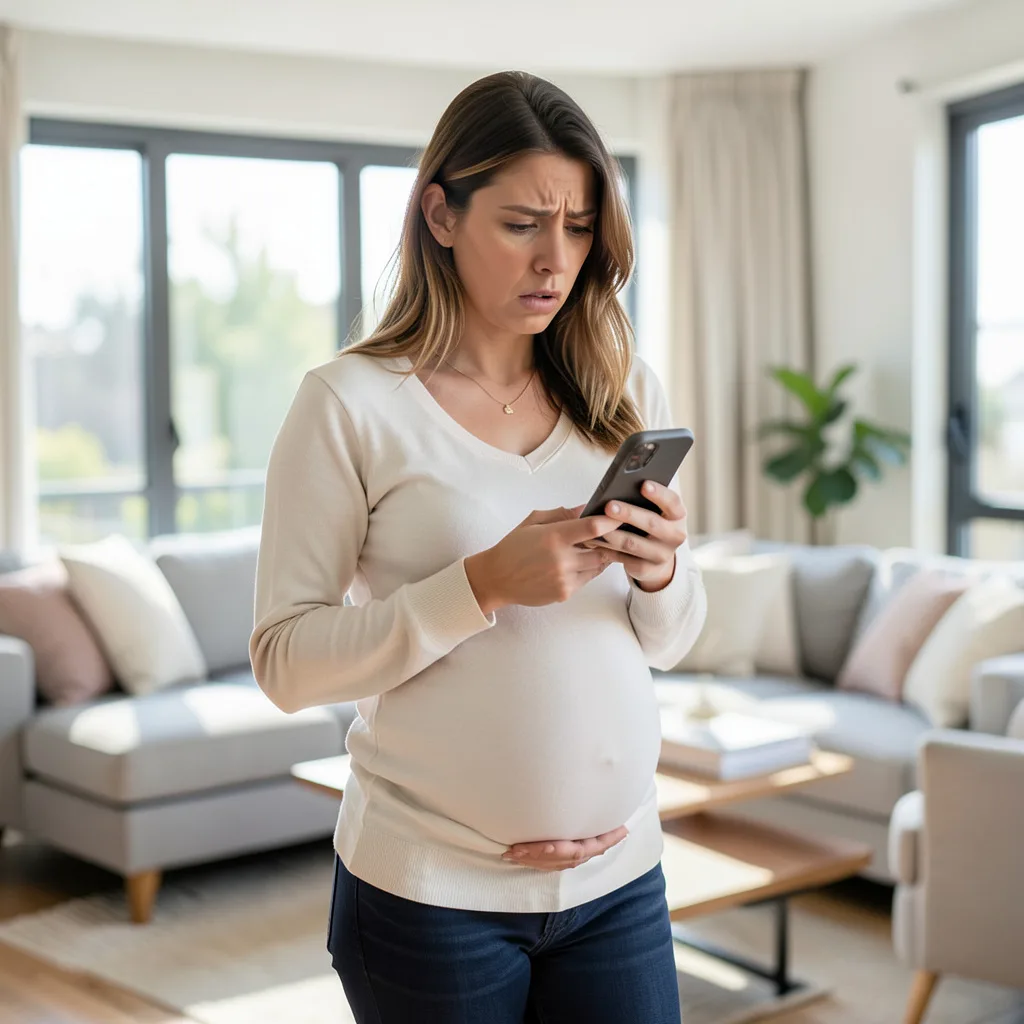
In the digital age, the line between personal sharing and public performance has blurred significantly. When a prominent influencer recently posted a series of photographs documenting their pregnancy, the resulting discourse did not center on the joy of impending parenthood. Instead, it ignited a global conversation regarding body standards, the ethics of curated imagery, and the complex expectations placed upon women’s bodies during gestation. This firestorm serves as a microcosm of the broader societal tension between authentic representation and the aesthetic pressures of social media.
Key takeaways
- Recognize that pregnancy body shapes are largely determined by genetics, anatomy, and biology rather than willpower or fitness habits.
- Avoid comparing your personal pregnancy journey to highly staged, edited, or curated social media content.
- Curate your feed by unfollowing accounts that trigger feelings of inadequacy and replacing them with authentic, body-positive content.
- Understand that many influencers have access to professional support systems that make maintaining specific fitness levels easier than for the average parent.
The Anatomy of the Viral Controversy
The controversy began when a high-profile influencer shared images that showcased an exceptionally fit and small pregnancy silhouette. Within hours, the comments section became a battleground. Supporters praised the individual for maintaining their health and staying true to their personal fitness journey, while critics argued that the images promoted unrealistic standards for pregnant people. The primary issue was not the pregnancy itself, but the perception that this specific body type was being presented as the ‘ideal’ or ‘standard’ way to carry a child. This reaction highlights the sensitivity of the public when it comes to pregnancy, a time when many individuals feel uniquely vulnerable to judgment.
The Myth of the Perfect Pregnancy
Social media has fostered a culture where life milestones are often subjected to extreme aesthetic curation. Pregnancy, once a private journey, is now frequently commodified. The ‘perfect pregnancy’ narrative often excludes the realities of edema, skin changes, fatigue, and the wide spectrum of body shapes that are medically normal. When influencers project an image of effortless perfection, it can inadvertently make followers feel that their own authentic experiences are inadequate. The backlash in this instance was a manifestation of the collective desire for more transparency and less artifice in maternal content.
The Intersection of Fitness Culture and Maternal Health
One of the most heated aspects of the debate involved the role of fitness influencers during pregnancy. While medical professionals generally encourage moderate exercise as part of a healthy lifestyle, there is a fine line between fitness for health and fitness for vanity. The criticism leveled at the influencer wasn’t necessarily about them exercising, but about the visual messaging that suggested a pregnant body should remain largely unchanged. This creates a psychological burden for expectant parents who may be struggling with the physiological changes that are entirely out of their control. Distinguishing between professional athletic goals and general wellness is crucial for maintaining a balanced perspective on social media.
The Ethics of Curated Maternal Content
When influencers monetize their personal lives, they assume a level of responsibility regarding the impact of their content. The ethics of curation come into play when the line between ‘sharing one’s life’ and ‘promoting an unattainable standard’ disappears. Many argue that influencers have an obligation to include disclaimers or context, such as mentioning that body shape is largely determined by genetics, pelvic structure, and medical history. Without this context, a simple photo can become a source of anxiety for thousands of people who are navigating the transformative, and often difficult, process of pregnancy.
The Role of Comparison in Digital Mental Health
Social media platforms are designed to trigger social comparison. When users see a curated image of a pregnancy bump, they often compare their own journey to that image, leading to feelings of inadequacy or body shame. This phenomenon is particularly acute during pregnancy, a period already marked by hormonal fluctuations and significant life transitions. Understanding that these photos are often highly staged, edited, and selected from hundreds of options is a vital tool for digital literacy. The firestorm serves as a reminder that we must protect our mental well-being by diversifying the types of content we consume.
Shifting the Narrative Toward Inclusivity
The positive outcome of this controversy has been the rise of a counter-movement celebrating diverse pregnancy bodies. Many creators are now intentionally sharing photos that highlight stretch marks, weight gain, and the physical exhaustion that accompanies pregnancy. This shift is essential for creating a more inclusive digital space. By showcasing the full spectrum of the pregnancy experience, we can move away from the narrow aesthetic standards that have dominated social media for the last decade. True empowerment comes from recognizing that every body is doing the heavy lifting of growing a human, and that is worthy of celebration regardless of how it looks.
How to Curate Your Own Social Media Feed
If you find that following certain influencers negatively impacts your self-esteem, it is time to reassess your digital environment. Start by unfollowing or muting accounts that make you feel inadequate or pressured to meet a specific standard. Replace them with accounts that focus on evidence-based health information, body positivity, or humor regarding the realities of parenthood. Remember that you have the power to control your digital intake. Protecting your mental health is far more important than keeping up with the curated lives of strangers online.
The Future of Influencer Transparency
As the digital landscape matures, we are likely to see a greater demand for transparency from influencers. Regulatory bodies and social media platforms are increasingly looking at ways to label edited or filtered content. However, the most effective change will come from the audience. By demanding authenticity and rewarding creators who show their ‘real’ selves, we can drive a market correction that values honesty over perfection. The firestorm over the pregnancy photos was a sign of a maturing audience that is no longer willing to accept the status quo of unrealistic digital imagery.
The Economics of the Algorithm: Why Perfection Pays
To understand the firestorm, one must look beyond the influencer and toward the platform architecture itself. Social media algorithms prioritize high-engagement content, and historically, images that conform to traditional, narrow beauty standards—often labeled as ‘aspirational’—receive significantly higher reach than raw, authentic content. Influencers are effectively incentivized to curate a ‘perfect’ pregnancy because the algorithm rewards the aesthetic polish with higher visibility, brand partnerships, and follower growth. When an influencer presents a highly curated pregnancy, they are often operating within a commercial framework that equates physical maintenance with professional success. This creates a feedback loop where the audience is not just consuming a photo, but participating in an economic system that treats the body as a commodity to be optimized, polished, and monetized for maximum engagement.
The Physiological Variance of Gestation: Beyond the Bump
The controversy often ignores the vast biological reality of pregnancy, which is far more complex than a simple change in waist measurement. Factors such as uterine position, abdominal muscle tone (diastasis recti), maternal height, and fluid retention vary wildly from one individual to another. For instance, a person with a shorter torso may show much earlier and more prominently than a taller individual, regardless of their fitness level. When an influencer presents a small or ‘neat’ bump, they are often inadvertently presenting a specific anatomical outcome as a lifestyle choice. By failing to acknowledge that pregnancy shape is dictated by internal pelvic structure and organ displacement, these influencers inadvertently invite the public to judge their peers’ bodies as if they were products of willpower rather than biological necessity.
The Shadow of Postpartum Pressure
The anxiety generated by these images does not end at birth; it sets a precedent for the postpartum period. The ‘snap-back’ culture—the societal expectation that a person should return to their pre-pregnancy body immediately after delivery—is fueled by the same influencers who curated their pregnancy journey. If a creator maintains a highly athletic aesthetic throughout the nine months of gestation, the implicit message is that the return to a pre-pregnancy physique is a simple matter of discipline. This creates a psychological trap for new parents, who may find themselves measuring their postpartum recovery against an influencer’s curated feed, rather than the medical reality of physical healing, hormonal shifts, and the immense energy required for early parenthood.
The Role of Professional Support Systems
A critical missing piece in the ‘perfection’ narrative is the invisible support system. Many influencers who maintain exceptional fitness levels during pregnancy have access to professional resources that are inaccessible to the average parent: private chefs, personal trainers, pelvic floor physical therapists, and domestic help to manage the exhaustion of the first trimester. When this context is omitted, the influencer’s journey appears to be a solitary achievement of ‘doing it right.’ This omission is ethically problematic because it frames the influencer’s experience as a universal possibility rather than a luxury-supported endeavor. Transparency regarding these resources would serve as a vital reality check, allowing followers to understand that their own struggles are not due to personal failure, but to a lack of equivalent, high-cost support structures.
The Intersection of Class, Race, and Body Standards
The firestorm also touches upon deep-seated societal biases regarding who is allowed to be ‘fit’ and who is deemed ‘lazy’ or ‘unhealthy.’ Historically, white, middle-to-upper-class aesthetics have dominated the influencer space, creating a narrow window of what a ‘healthy’ pregnancy looks like. When a specific body type is consistently held up as the ideal, it marginalizes those whose bodies do not fit that mold due to racial, ethnic, or socioeconomic factors. The backlash against the influencer can be viewed as an attempt to dismantle this hegemony, as followers increasingly demand that the digital space reflect the true diversity of human biology. This is not merely a debate about aesthetics; it is a pushback against a singular, exclusionary standard that has dominated maternal discourse for too long.
Navigating the ‘Wellness’ Industry Trap
Modern ‘wellness’ influencers often operate in a grey area where medical advice is replaced by aesthetic inspiration. When an influencer shares their pregnancy journey, they are often selling products—supplements, workout programs, or maternity activewear—that are tied to the visual results they display. This creates a conflict of interest where the visual ‘perfection’ of the body becomes a marketing tool. For the viewer, this is a dangerous space to navigate, as the line between a genuine health journey and a sales pitch becomes blurred. It is essential for audiences to develop a critical lens when viewing such content, asking themselves: Is this creator sharing information for the benefit of the community, or are they leveraging their pregnancy to sell a specific image of wellness that relies on the insecurity of others?
The Algorithmic Loop of Aspirational Aesthetics
To fully grasp the intensity of this firestorm, one must analyze the symbiotic relationship between influencer behavior and platform architecture. Social media algorithms are engineered to favor high-engagement content, and historically, imagery that conforms to traditional, narrow beauty standards—often labeled as “aspirational”—receives disproportionately higher reach than unedited, raw content. When an influencer presents a highly curated pregnancy, they are often operating within a commercial framework that equates physical maintenance with professional success. This creates a feedback loop: the algorithm rewards the aesthetic polish with higher visibility, more brand partnerships, and accelerated follower growth. Consequently, the influencer is incentivized to maintain this “perfect” facade, while the audience is not merely consuming a photo, but participating in an economic system that treats the human body as a commodity to be optimized, polished, and monetized for maximum engagement metrics.
The Biological Reality of Gestation: Beyond the Bump
The controversy often glosses over the vast biological reality of pregnancy, which is far more complex than a simple change in waist measurement. Physiological factors such as uterine position, abdominal muscle tone (specifically the presence or absence of diastasis recti), maternal height, and fluid retention vary wildly from one individual to another. For instance, a person with a shorter torso may show much earlier and more prominently than a taller individual, regardless of their fitness level. When an influencer presents a small or “neat” bump, they are often inadvertently presenting a specific, genetically determined anatomical outcome as if it were a lifestyle choice. By failing to acknowledge that pregnancy shape is dictated by internal pelvic structure and organ displacement, these influencers inadvertently invite the public to judge their peers’ bodies as if they were products of willpower rather than biological necessity.
The Persistent Shadow of Postpartum Pressure
The anxiety generated by these images does not conclude at birth; it sets a dangerous precedent for the postpartum period. The “snap-back” culture—the societal expectation that a person should return to their pre-pregnancy body immediately after delivery—is fueled by the same influencers who curated their pregnancy journey. If a creator maintains a highly athletic aesthetic throughout all three trimesters, the implicit message is that the return to a pre-pregnancy physique is a simple matter of discipline and habit. This creates a psychological trap for new parents, who may find themselves measuring their own postpartum recovery against an influencer’s curated feed, rather than the medical reality of physical healing, hormonal shifts, and the immense energy required for early parenthood, leading to profound feelings of failure during a time when support is most needed.
The Invisible Support Systems and Ethical Omissions
A critical missing piece in the “perfection” narrative is the presence of an invisible, often high-cost support system. Many influencers who maintain exceptional fitness levels during pregnancy possess access to professional resources that are entirely inaccessible to the average parent: private chefs, specialized personal trainers, pelvic floor physical therapists, and domestic help to manage the exhaustion of the first trimester. When this context is omitted, the influencer’s journey appears to be a solitary achievement of “doing it right.” This omission is ethically problematic because it frames the influencer’s experience as a universal possibility rather than a luxury-supported endeavor. Transparency regarding these resources would serve as a vital reality check, allowing followers to understand that their own struggles are not due to personal failure, but to a lack of equivalent, high-cost support structures.
The Interplay of Class, Race, and Body Standards
The firestorm also touches upon deep-seated societal biases regarding who is allowed to be “fit” and who is unfairly labeled as “lazy” or “unhealthy.” Historically, white, middle-to-upper-class aesthetics have dominated the influencer space, creating a narrow window of what a “healthy” pregnancy is deemed to look like. When a specific body type is consistently held up as the ideal, it marginalizes those whose bodies do not fit that mold due to racial, ethnic, or socioeconomic factors. The backlash against the influencer can be viewed as an attempt to dismantle this hegemony, as followers increasingly demand that the digital space reflect the true diversity of human biology. This is not merely a debate about aesthetics; it is a pushback against a singular, exclusionary standard that has dominated maternal discourse for too long, often ignoring how different cultures and body types experience pregnancy.
Navigating the ‘Wellness’ Industry Trap
Modern “wellness” influencers often operate in a grey area where medical advice is replaced by aesthetic inspiration. When an influencer shares their pregnancy journey, they are frequently selling products—supplements, workout programs, or maternity activewear—that are directly tied to the visual results they display. This creates a significant conflict of interest where the visual “perfection” of the body becomes a potent marketing tool. For the viewer, this is a dangerous space to navigate, as the line between a genuine health journey and a calculated sales pitch becomes blurred. It is essential for audiences to develop a critical lens when viewing such content, asking themselves: Is this creator sharing information for the benefit of the community, or are they leveraging their pregnancy to sell a specific image of wellness that relies on the insecurity of others?
Frequently Asked Questions
Why do pregnancy photos cause such intense public debate?
Pregnancy is a deeply personal and often emotional experience. When public figures share images that suggest there is a ‘right’ or ‘wrong’ way to look while pregnant, it can feel like a direct commentary on the experiences of those who do not fit that narrow mold, leading to strong emotional reactions.
Is it wrong for fitness influencers to share their pregnancy photos?
It is not inherently wrong to share photos, but the context and the messaging matter. When influencers present their bodies as a benchmark for others without acknowledging the role of genetics or professional support, it can create unrealistic expectations that negatively impact their followers’ mental health.
How can I avoid feeling bad when scrolling through social media?
Practicing digital hygiene is key. Actively curate your feed to include diverse body types and authentic experiences. Remind yourself that social media is a highlight reel, not a documentary, and that most photos are curated to show a specific, often edited, version of reality.
What constitutes ‘honest’ content from influencers?
Honest content involves being transparent about the effort, resources, and genetic factors involved in achieving a certain look. It also means acknowledging the difficulties and non-aesthetic aspects of life, rather than presenting a perfectly polished facade at all times.
Can social media platforms do more to protect users from unrealistic standards?
Yes, many platforms are exploring features like content warnings or mandatory disclosures for filtered images. However, individual users also have a role to play in reporting misleading content and choosing to support creators who prioritize authenticity over aesthetic perfection.
Related posts:
 Why Avocado Toast Dominated Breakfast Trends in 2017
 Chrissy Teigen’s Honest Take on Stretch Marks Is Everything We Needed
 Gyms Are Actually Banning Sexy Workout Clothes and Here’s Why
 Fitness Influencer Responsibility
 PHA Bodyweight Workout: Efficient Fitness Anywhere, Anytime
 Social Media’s Impact on Mental Health
 Goop and other wellness influencers are spreading dangerous COVID-19 opinions. I talked to experts to find out why.
 Jessica Biel’s Instagram Audience Revelation Will Blow Your Mind