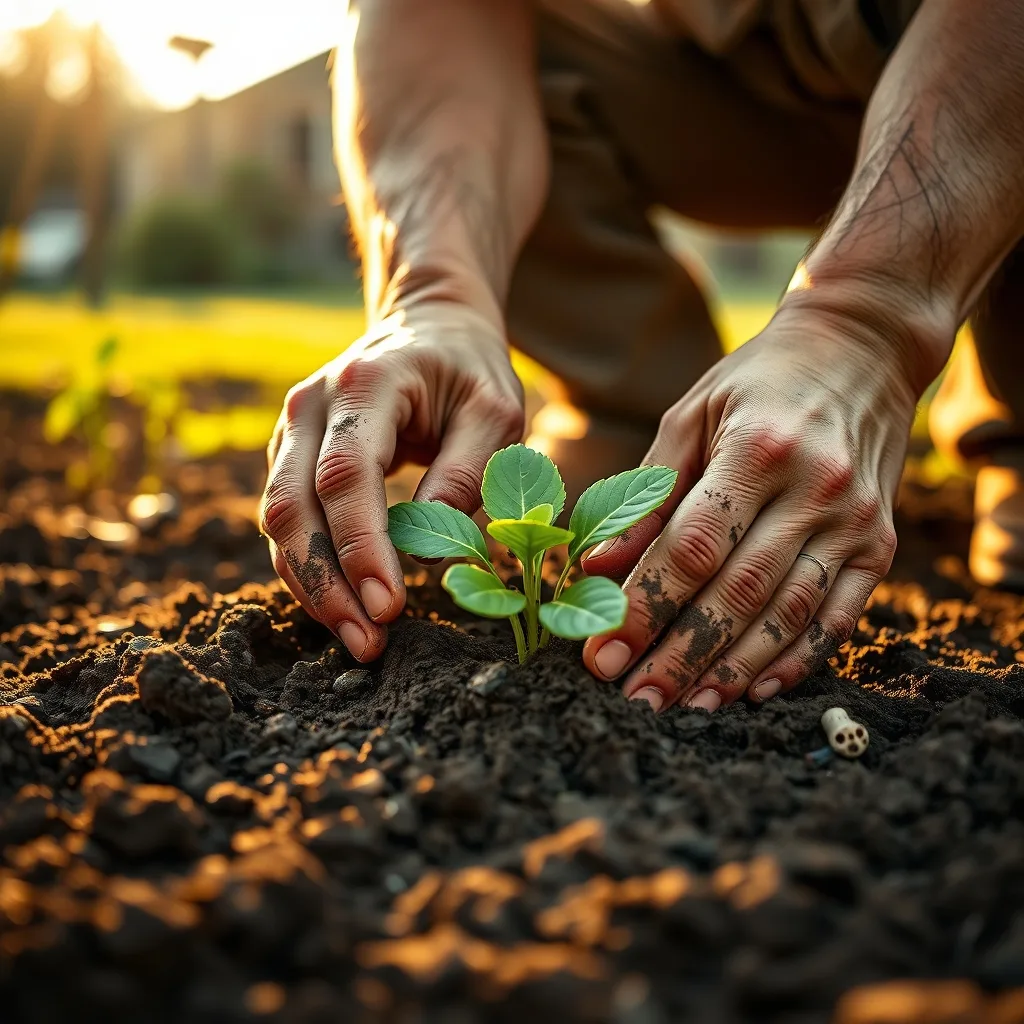
In an increasingly digital and fast-paced world, the simple act of putting your hands in the soil has become a radical form of self-care. Starting a small garden—whether it is a few pots on a balcony or a modest raised bed in your backyard—offers more than just fresh herbs or flowers. It provides a tactile, grounding experience that functions as a natural antidote to modern stress. By reconnecting with the cycles of nature, we can cultivate not just plants, but a profound sense of inner stability and mental clarity.
Key takeaways
- Engage in rhythmic, tactile activities like weeding or planting to lower cortisol and enter a meditative state of flow.
- Use gardening as a tool to practice patience and reframe perceived failures as helpful biological data for personal growth.
- Create a sensory-rich sanctuary to replenish executive function and move from directed attention to effortless soft fascination.
- Track your progress in a phenology journal to build confidence through small, meaningful wins and observations of nature.
The Psychology of Horticultural Therapy
Horticultural therapy is a recognized field that uses plant-based activities to improve physical and mental health. The psychological benefits stem from a concept known as biophilia, which suggests that humans have an innate tendency to seek connections with nature. When we garden, we enter a state of flow—a psychological state where we are fully immersed in an activity. This reduces the ruminative thought patterns often associated with anxiety. Unlike a screen, which demands constant, fragmented attention, a garden requires a slow, steady focus that calms the nervous system and lowers cortisol levels.
Cultivating Patience in an Instant-Gratification Era
We live in a culture that expects immediate results, from next-day deliveries to instant messaging. Gardening is the antithesis of this. Plants cannot be rushed; they require sunlight, water, and time. By engaging with this natural pace, gardeners learn to practice patience. Watching a seed germinate and eventually bloom teaches us that growth is often invisible before it becomes apparent. This shift in perspective can be life-changing, helping us apply the same grace to our own personal development journeys, understanding that our progress doesn’t always need to be explosive to be meaningful.
The Grounding Power of Tactile Engagement
There is a unique sensory richness to gardening that anchors us in the present moment. The smell of damp earth, the texture of rough leaves, and the physical effort of weeding or planting provide a “grounding” effect. Research suggests that contact with specific soil bacteria, such as Mycobacterium vaccae, may even stimulate serotonin production in the brain. Engaging our senses helps pull us out of “head-space”—where we are constantly analyzing or worrying—and back into our bodies. This physical connection acts as a sensory reset button after a long day of mental fatigue.
Finding Purpose Through Stewardship
For many, the feeling of lacking control in life contributes to mental exhaustion. A garden provides a manageable domain where your actions have a direct, visible impact. When you nurture a seedling into a thriving plant, you are engaging in a process of stewardship. This sense of responsibility provides a gentle, low-pressure purpose. It gives you a reason to step outside, observe the weather, and check on your “charges” each morning. This routine creates a psychological anchor, providing a sense of stability that can be particularly helpful during periods of life transition.
Managing Stress Through Rhythmic Repetition
Many gardening tasks—such as deadheading flowers, weeding, or watering—are repetitive and rhythmic. This type of repetitive motion is meditative. It allows the mind to enter a state of quiet contemplation without the pressure of having to “solve” a complex problem. By focusing on the simple, rhythmic act of pruning or clearing, we clear out the mental clutter. This is often when our subconscious mind works through issues, leading to those “aha” moments that seem to arrive out of thin air when we stop forcing our focus.
The Joy of Small Wins
Gardening is a series of small, manageable victories. A new leaf appearing, the first sign of a bud, or successfully repotting a plant without damaging the roots are all small wins that trigger the brain’s reward system. For individuals struggling with low mood or a lack of motivation, these small successes provide positive reinforcement. They prove that you are capable of nurturing life and improving your environment. These micro-achievements accumulate, building confidence and a sense of efficacy that spills over into other areas of your life.
Creating a Sanctuary for Mental Recovery
Your garden, no matter how small, is a sanctuary. It is a physical space where you can retreat from the demands of work and social obligations. Designing this space to be a place of beauty—perhaps by adding a comfortable chair, some wind chimes, or plants that specifically appeal to you—creates a dedicated environment for mental recovery. Having a physical location that is exclusively for rest and growth helps your brain associate that space with calm, making it easier to decompress the moment you step into it.
Practical Steps to Begin Your Garden Journey
Starting a garden does not require a large plot of land or professional knowledge. Begin with a single container or a small window box. Choose “easy-win” plants like mint, basil, or succulents that are resilient and rewarding. Focus on the process rather than the outcome; if a plant dies, view it as a learning experience rather than a failure. Keep a simple journal to track what you plant and how it makes you feel. Start small, stay consistent, and allow the garden to become a mirror of your own inner growth.
The Neurobiology of Seasonal Affective Regulation
Beyond the immediate tactile engagement, gardening acts as a natural regulator for our internal biological clocks, or circadian rhythms. Exposure to natural morning light—often the first thing a gardener seeks out—is critical for the production of melatonin and the regulation of our sleep-wake cycles. By spending time in a garden during the early hours, you are physically synchronizing your body with the solar cycle, which has profound implications for mood stability. This is particularly vital for those who suffer from seasonal mood fluctuations. When you nurture a garden, you are forced to pay attention to the seasonal shifts in light intensity and temperature, which subtly encourages your body to adapt to the changing environment rather than fighting against it. This alignment reduces the physiological dissonance that often leads to feelings of lethargy and irritability during darker months.
Reframing Failure as Biological Feedback
In our professional and academic lives, failure is often treated as a character flaw or a permanent setback. Gardening, however, teaches us that “failure” is simply a piece of biological data. If a tomato plant yellows or a succulent loses its leaves, it is not a testament to your worth, but a signal that the environmental variables—water, light, soil pH, or drainage—need adjustment. This shift in perspective is a powerful tool for cognitive behavioral therapy (CBT) in practice. By treating a dying plant as a puzzle to be solved rather than a source of shame, you cultivate emotional resilience. You learn to detach your self-esteem from the outcome, focusing instead on the scientific process of observation, hypothesis, and intervention. This detachment is a crucial skill for managing perfectionism and the fear of failure in other high-stakes areas of your life.
The Micro-Community of the Soil Microbiome
While we often focus on the plants themselves, the soil is an entire living ecosystem that offers its own mental health advantages. Emerging research into the gut-brain axis suggests that our internal microbiome is influenced by our external environment. Engaging with healthy, biodiverse soil exposes us to a myriad of microorganisms that can strengthen our immune system and, by extension, improve our resilience to inflammatory stress responses. When you work with organic compost and living soil, you are engaging in a symbiotic relationship. This awareness—that you are not just an individual tending to a plant, but a participant in a larger, complex ecological web—can alleviate the existential loneliness that often accompanies urban living. It fosters a sense of belonging to the natural world, reminding us that we are biological creatures who thrive when connected to the earth’s systems.
Designing for “Soft Fascination”
Environmental psychologists often refer to a concept called Attention Restoration Theory (ART). Modern life requires “directed attention,” which is a finite resource that drains quickly when we focus on spreadsheets, emails, or complex navigation. Gardening provides a space for “soft fascination.” When you look at the intricate patterns of a fern leaf, the way light filters through a canopy, or the movement of pollinators, your brain enters a state of effortless focus. This does not require the same cognitive load as high-level decision-making. By intentionally designing your garden—even if it is just a collection of plants on a windowsill—to include varied textures, soft colors, and gentle movement, you are creating a recovery zone for your executive function. This allows your brain to replenish its capacity for directed attention, making you more efficient and less irritable when you return to your professional tasks.
Cultivating Mindful Observation Through Documentation
To deepen the mental health benefits of gardening, consider keeping a “phenology journal.” Instead of tracking just the technical aspects of plant care, use this space to record the subtle changes you observe: the first appearance of a flower, the return of a specific bird, or the way the soil feels after a rain. This practice shifts the garden from being a chore to being a source of wonder. Documentation acts as a bridge between your internal state and the external environment. When you look back at notes from two months ago, you gain a sense of time and progress that is often lost in the rapid-fire pace of digital life. This practice anchors you in the present while providing a tangible record of your capacity to create, nurture, and observe, which serves as a powerful antidote to feelings of stagnation.
The Social Dimension of Shared Growth
While gardening is often a solitary act, it can also serve as a profound social anchor. Participating in community gardens or even sharing cuttings and seeds with neighbors provides a low-stakes avenue for social connection. For individuals who struggle with social anxiety or the isolation of remote work, these interactions are grounded in a common goal: the success of the plants. This shared language of gardening removes the pressure of small talk. You are not required to perform or impress; you are simply two people talking about the needs of a plant. This creates a bridge for authentic, low-pressure socialization, which is essential for emotional health. The act of giving away a plant you have nurtured also triggers the neurochemical rewards associated with altruism, further reinforcing the link between your garden and your overall sense of happiness.
The Architecture of Sensory Integration
To maximize the mental health benefits of your green space, consider the architecture of your garden through the lens of multisensory stimulation. While we often prioritize visual aesthetics, integrating scent, sound, and touch can transform a simple plant collection into an immersive therapeutic environment. For instance, planting aromatic herbs like lavender, lemon balm, or rosemary near a seating area creates an olfactory trigger that can instantly lower heart rates. Soundscapes, such as the gentle rustle of ornamental grasses or the addition of a small, recirculating water feature, provide a layer of auditory “masking” that helps drown out the harsh, unpredictable noises of an urban environment. This intentional layering of sensory inputs allows the brain to shift from a state of hyper-vigilance to one of sensory comfort, effectively signaling to the autonomic nervous system that it is safe to downshift into a restorative state.
The Paradox of Productive Idleness
A common barrier to garden-based mental health is the internalized pressure to be “productive”—to grow food, yield a harvest, or maintain a pristine display. However, there is immense psychological value in reclaiming “productive idleness.” This is the practice of spending time in your garden without a specific agenda. Sit among your plants without a watering can or shears in hand. Allow yourself to observe the complex, unscripted dramas of your garden: a ladybug navigating a leaf, the way shadows lengthen across a pot, or the slow unfolding of a petal. By removing the goal-oriented nature of gardening, you practice being rather than doing. This counteracts the modern compulsion to extract value from every minute of our day, allowing the nervous system to rest in a state of non-judgmental presence that is rarely permitted in our work lives.
Navigating the Emotional Cycles of Dormancy
Just as humans experience periods of low energy, withdrawal, and rest, gardens experience dormancy. During the winter or non-flowering phases, many novice gardeners feel a sense of loss or inactivity. Reframing these dormant periods is a powerful exercise in emotional regulation. Use the winter months to practice self-compassion by acknowledging that rest is a necessary component of growth. Observe how your plants conserve energy, shed unnecessary growth, and focus on root development. This biological lesson serves as a metaphor for our own need to retreat and recalibrate. When you learn to appreciate the quiet, brown, or bare phase of your garden, you become better equipped to handle your own seasons of burnout or stagnation without feeling the need to force a premature “blooming” or output.
The Role of Botanical Symmetry in Cognitive Ease
Our brains are evolutionarily hardwired to find comfort in specific patterns, particularly those found in nature, such as fractals and bilateral symmetry. Incorporating plants with repeating patterns or symmetrical structures can act as a subtle cognitive aid. When we look at the spiral of a succulent or the precise repetition of leaves on a fern, our brains process these images with high efficiency and low effort. This phenomenon, often called “fluency,” reduces the cognitive load required to make sense of our surroundings. By curating your space with plants that feature these soothing, predictable geometries, you create a visual sanctuary that requires zero mental heavy lifting, offering the eyes and the mind a place to rest after a day of processing chaotic digital information.
Developing Ecological Literacy as a Coping Mechanism
Deepening your knowledge of the ecosystem within your garden—learning about the specific pollinators, the life cycle of the soil, or the water needs of different species—provides a form of “intellectual grounding.” When we feel overwhelmed by the complexities of modern problems, having a specialized, localized knowledge base can be incredibly empowering. Ecological literacy allows you to see your garden not just as an object to look at, but as a system you understand. This transition from a passive observer to an informed participant fosters a sense of agency. When you know why a plant is struggling, you have the tools to fix it; this sense of competence is a direct antidote to the feelings of helplessness that often accompany chronic stress or anxiety.
The Ritualization of Horticultural Care
Rituals provide structure to the day, and gardening is uniquely suited for the development of healthy, grounding habits. Treat your gardening tasks not as chores to be checked off a list, but as sacred rituals. Whether it is the morning inspection of your seedlings with a cup of tea or the evening ritual of watering as the sun sets, these habits act as bookends to your day. They create a reliable transition between your professional persona and your private self. By imbuing these actions with intention—slowing down your breathing, focusing entirely on the weight of the watering can, or noticing the temperature of the water—you turn simple maintenance into a mindfulness practice. This ritualization creates a “safe harbor” that you can rely on, regardless of how chaotic the rest of your day may have been.
Frequently Asked Questions
Q: I have no experience with plants and worry I will kill everything. Is gardening still for me?
A: Absolutely. Most gardeners have killed their fair share of plants. View gardening as a process of learning rather than a test of skill. Start with hardy, low-maintenance plants like pothos or snake plants to build your confidence.
Q: How much time do I need to commit to a garden to see mental health benefits?
A: Even 10 to 15 minutes a day is sufficient. The mental benefits come from the consistency of the habit and the act of stepping away from stressors, not from the intensity of the labor.
Q: Can I garden if I live in a small apartment without a balcony?
A: Yes. Indoor gardening is highly effective for mental well-being. A sunny windowsill is enough to support herbs or small houseplants. The psychological benefits of caring for living things remain the same regardless of the square footage.
Q: Is gardening expensive to start?
A: It can be as affordable as you choose to make it. You can repurpose containers like plastic tubs or jars (ensure they have drainage), and buy seeds rather than mature plants. You do not need expensive tools or fertilizers to get started.
Q: How does gardening help with anxiety specifically?
A: Gardening shifts your focus from future-oriented worries to present-moment tasks. By engaging the senses and requiring physical presence, it disrupts the cycle of rumination and provides a healthy, grounding distraction from anxious thought patterns.
Related posts:
 Rose Crystal Garden in NYC
 Nurturing Relationships with Plants and People: The Benefits of Gardening
 The Best Potting Soil for Houseplants, According to Plant Parents
 Tiny Green Therapy: How Mini Plants Are Revolutionizing the Workspace
 Practical Tips for Growing Herbs on a Balcony
 How Gardening Adds Years to Your Life
 Methods for Improving Your Backyard Soil Quality
 Essential Tips for Better Garden Health