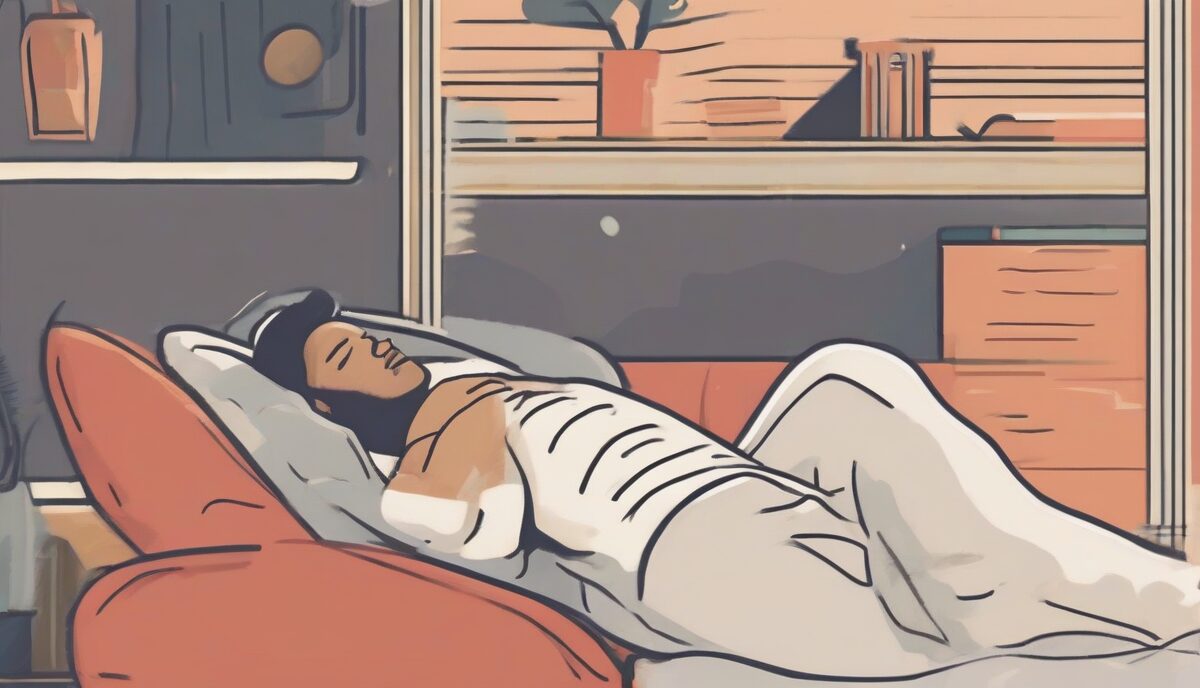
In today’s fast-paced work environment, the concept of taking naps during work hours, often termed as ‘career naps’, is gaining popularity. This practice, once considered a sign of laziness, is now being recognized for its potential benefits in enhancing productivity, creativity, and overall well-being.
Key takeaways
- Limit naps to 20-30 minutes to improve alertness and performance without experiencing post-sleep grogginess.
- Schedule naps between 1 PM and 3 PM to combat the natural post-lunch dip in energy levels.
- Use naps to enhance creative problem-solving by allowing the brain to process information and make new connections.
- Advocate for workplace napping by presenting research on increased productivity and reduced employee turnover to management.
The Science Behind Career Naps
Research has shown that short naps, typically lasting 20-30 minutes, can significantly improve cognitive functions, memory retention, and alertness. The National Sleep Foundation notes that napping can restore alertness, enhance performance, and reduce mistakes and accidents.
Boosting Productivity with Career Naps
Many companies are beginning to understand the productivity benefits that come with allowing employees to take short naps. A quick nap can help reduce fatigue, leading to more efficient and effective work. This, in turn, can lead to greater job satisfaction and lower turnover rates.
The Creative Edge
Napping has also been linked to enhanced creativity. When you nap, your brain processes information and makes connections that you might not be able to make while awake. This can lead to innovative ideas and solutions to problems that have been eluding you.
Health Benefits of Career Naps
Regular napping can also have significant health benefits. It can reduce stress, lower the risk of heart disease, and improve overall mood. By incorporating naps into your daily routine, you can enjoy a healthier and more balanced lifestyle.
Implementing Career Naps in the Workplace
For career naps to be effective, it’s important to create a conducive environment. This can include quiet rooms with comfortable seating or reclining chairs, dim lighting, and perhaps even soothing background music. Encouraging a culture that supports napping can also help reduce any stigma associated with it.
Optimizing the Circadian Rhythm for Peak Performance
While the post-lunch slump is a universal phenomenon, understanding the underlying circadian rhythm is crucial for mastering the career nap. Our body temperatures naturally fluctuate throughout the day, hitting a secondary low point in the mid-afternoon. By aligning your rest period with this biological trough—often referred to as the ‘post-prandial dip’—you are not merely ‘sleeping on the job’; you are strategically syncing your cognitive demands with your internal clock. For those working irregular shifts, this timing shifts accordingly. If you are a night-shift worker, your ‘afternoon’ dip might occur during the early morning hours. Utilizing wearable technology to track your specific heart rate variability (HRV) and skin temperature can help you identify exactly when your body requires a reset, turning a generalized practice into a data-driven performance enhancement tool.
Mastering the ‘Nappuccino’: The Science of Caffeine-Nap Synergy
For those who struggle to wake up refreshed, the ‘nappuccino’ is a tactical maneuver that combines the physiological benefits of sleep with the pharmacological effects of caffeine. The process is precise: consume a cup of coffee immediately before your 20-minute nap. Because caffeine takes approximately 20 to 30 minutes to reach the bloodstream and cross the blood-brain barrier, it begins to take effect exactly when you are waking up. Furthermore, the nap clears adenosine—a chemical that builds up in the brain and causes sleepiness—from your receptors. Since caffeine blocks these same receptors, the combination creates a ‘double hit’ of alertness. This technique is particularly effective for workers tackling complex analytical tasks immediately following their break, as it minimizes sleep inertia while providing a sustained energy boost.
The Architecture of the ‘Nap Zone’
Creating a physical space that signals the brain to shut down is as important as the act of napping itself. In a modern open-office environment, the challenge is sensory overload. If a dedicated nap pod isn’t available, employees must curate a ‘micro-environment.’ Noise-canceling headphones playing binaural beats or white noise are essential for blocking out office chatter. Investing in a high-quality eye mask is the most effective way to trigger the release of melatonin, even in a brightly lit room. Furthermore, if your office lacks private space, consider the ‘desk-nap’ posture: resting your head on a soft, ergonomic neck pillow while seated upright. This prevents the deep REM sleep that leads to grogginess, keeping you in the lighter stages of NREM sleep where you can recover alertness without the disorientation of waking from a deep cycle.
Navigating the Professional Stigma
Even in forward-thinking companies, the fear of being perceived as ‘slacking off’ remains a primary barrier to adoption. To normalize the practice, frame your nap as a ‘cognitive recovery session’ rather than a sleep break. When communicating with colleagues or management, transparency is your best strategy. Include your nap time in your shared digital calendar, labeled clearly as ‘Deep Work Recovery’ or ‘Strategic Reset.’ By normalizing this on your team calendar, you provide psychological safety for others who may want to do the same but fear judgment. If you are in a leadership position, the most effective way to break the stigma is to model the behavior yourself. When a manager steps away for a 20-minute reset and returns with increased focus, it signals to the entire organization that the company values output and sustainable performance over mere ‘seat time.’
When to Skip the Nap: Recognizing Sleep Debt vs. Burnout
It is vital to distinguish between a healthy career nap and an attempt to mask chronic sleep deprivation or burnout. If you find yourself needing a nap every single day just to survive the afternoon, your career nap is no longer a performance optimization tool; it is a symptom of an underlying issue. Relying on naps to compensate for a consistent lack of nighttime sleep can lead to a ‘sleep debt’ cycle that degrades long-term health. Use career naps as a periodic tool for high-demand days or when you have had a poor night of rest, but do not allow them to become a crutch. If you find yourself struggling to stay awake despite a healthy nighttime routine, it may be time to re-evaluate your overall work-life balance or consult with a physician to rule out sleep apnea or other medical conditions.
The Role of ‘Non-Sleep Deep Rest’ (NSDR)
If you find that falling asleep for 20 minutes is difficult or leaves you feeling disoriented, consider the practice of Non-Sleep Deep Rest (NSDR) or Yoga Nidra. These techniques involve guided relaxation protocols that help you drop into a state of deep physiological rest without actually entering sleep cycles. By focusing on breathwork and body scanning, you can lower your heart rate and reduce cortisol levels in as little as 10 to 15 minutes. This is an excellent middle-ground for the high-pressure office environment where you need to remain ‘on call’ or alert enough to respond to emergencies. NSDR provides many of the same restorative benefits as a nap—such as improved mood and reduced anxiety—without the risk of sleep inertia, making it a highly accessible and professional alternative for busy executives.
FAQ
1. How long should a career nap be?
A career nap should ideally be between 20-30 minutes. This duration is long enough to boost alertness and performance without causing sleep inertia, which can make you feel groggy.
2. When is the best time to take a career nap?
The best time to take a career nap is typically in the early afternoon, around 1-3 PM. This coincides with the natural dip in energy levels that many people experience after lunch.
3. Can career naps replace nighttime sleep?
No, career naps are not a replacement for nighttime sleep. They are meant to be a supplement that helps alleviate fatigue and improve performance during the day.
4. Are career naps suitable for everyone?
While career naps can be beneficial for most people, they may not be suitable for everyone, especially those who have difficulty sleeping at night or suffer from certain sleep disorders. It’s important to listen to your body and consult a healthcare professional if you have any concerns.
5. How can I convince my employer to allow career naps?
Approach your employer with research and evidence showing the benefits of career naps. Highlight how naps can improve productivity, creativity, and overall well-being, which can ultimately benefit the company. Suggest a trial period to demonstrate the positive impact.
Related posts:
 Napping Solutions for Nocturia
 The Truth About Napping and Health
 Do You Really Need Less Sleep as You Age?
 Nap Revolution: NYC’s Sleep Café Is Making Rest Trendy Again
 Workplace Napping Benefits
 Napping for Better Longevity
 Why Taking Career Naps Makes Sense
 Nap Bars: Is Sleeping Your Way to Wellness the Next Big Thing