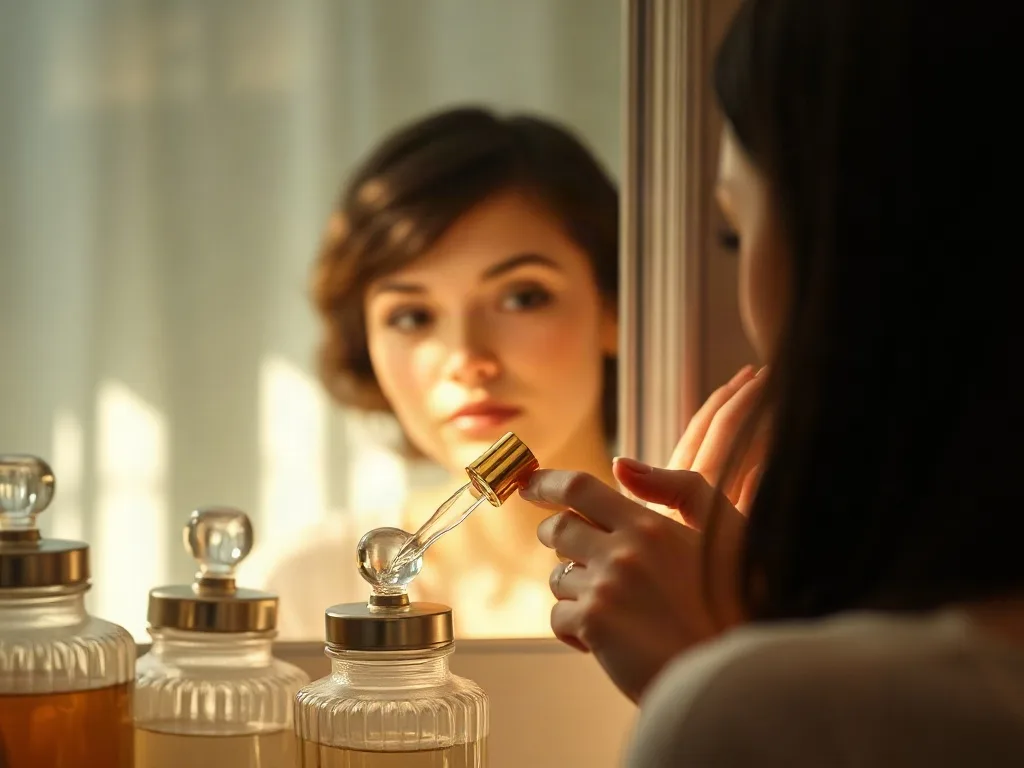
We are living in an era where the natural passage of time is treated as a dermatological emergency. From the moment we enter our twenties, the cultural narrative begins to shift, whispering—and sometimes shouting—that our value is inextricably linked to the smoothness of our skin and the absence of silver in our hair. The anti-aging industry, a behemoth projected to reach a global valuation of over $90 billion by 2028, thrives on this narrative. It promises a suspension of time, a reversal of biology, and a return to a youthful state that is, by definition, transient. But as we peel back the layers of glossy packaging and sophisticated clinical terminology, a harder truth emerges: much of what we are being sold is not a solution, but a carefully curated dream.
This article is not an indictment of self-care or the desire to look our best. Rather, it is an exploration of the gap between marketing claims and biological reality. By understanding how the anti-aging machine operates, we can reclaim our agency, save our resources, and transition from a mindset of fear-based preservation to one of compassionate, functional health. Aging is not a disease to be cured; it is a complex, inevitable biological process that deserves respect rather than erasure.
The Biological Reality of Aging vs. Marketing Claims
To understand why many anti-aging products fail to deliver on their promises, we must first understand what aging actually is. At its core, aging is the result of accumulated cellular damage over time. This includes oxidative stress from free radicals, the shortening of telomeres (the protective caps on our chromosomes), and cellular senescence, where cells stop dividing but remain in the body, secreting inflammatory signals. These processes happen deep within our tissues, organs, and DNA.
The anti-aging industry often markets topical creams as if they can reach these foundational levels of biology. However, the primary function of the skin is to be a barrier—it is designed to keep things out. Most molecules in expensive “miracle” creams are far too large to penetrate the stratum corneum (the outermost layer of the skin) and reach the dermis where collagen and elastin are produced. When a product claims to “rebuild DNA” or “instantly reverse wrinkles,” it is often conflating temporary surface hydration with actual structural change. While a well-formulated moisturizer can make skin look plumper by drawing in water, it does not change the underlying biological age of the tissue.
Furthermore, the regulation of these products is often less stringent than consumers assume. In many jurisdictions, cosmetics are not required to prove efficacy in the same way that pharmaceutical drugs are. This allows brands to use “clinically proven” language based on small, company-funded studies with subjective measurements, such as “90% of women saw a brighter complexion.” These are perceptions, not biological markers of age reversal.
The Psychology of the Anti-Aging Marketing Machine
The success of the anti-aging industry relies heavily on the “problem-solution” marketing loop. First, a natural physical characteristic is pathologized—think of terms like “turkey neck,” “crow’s feet,” or “marionette lines.” By naming these features with disparaging terms, the industry creates an insecurity where none may have existed before. Once the “problem” is established, the “solution” is presented in the form of a premium product.
This marketing targets our deepest existential fears: the fear of irrelevance, the fear of losing our social capital, and the fear of mortality itself. In a society that equates youth with productivity, fertility, and beauty, the signs of aging are marketed as signs of personal failure or neglect. We are told that if we just try hard enough, spend enough, and start early enough, we can opt-out of the aging process. This creates a cycle of perpetual consumption, as the “problem” (aging) is inevitable, ensuring that the consumer will always be in need of the next, more advanced “solution.”
Compassionate self-care requires us to recognize these psychological tactics. When we see an advertisement for an anti-aging serum, we should ask: “Is this product promising to care for my skin, or is it promising to fix my identity?” Distinguishing between the two is the first step in breaking free from the industry’s emotional grip.
Decoding Ingredients: Science vs. Sensationalism
While the industry sells many dreams, there are a handful of ingredients that actually have scientific backing. The key is to separate the proven workhorses from the expensive gimmicks. For example, retinoids (derivatives of Vitamin A) are among the few topical ingredients that have been shown in peer-reviewed studies to increase collagen production and speed up cell turnover. Similarly, broad-spectrum sunscreen is the single most effective “anti-aging” product available, as it prevents the UV damage responsible for up to 80% of visible skin aging.
On the other hand, the market is flooded with “trendy” ingredients that lack robust evidence. “Stem cell” extracts in skincare are a prime example. While stem cell research is a legitimate and exciting field of medicine, plant stem cells in a cream cannot function as human stem cells. Once they are processed into a cosmetic formulation, they are essentially dead plant matter that may provide some antioxidant benefits but certainly won’t regenerate your skin cells. Gold flakes, diamond dust, and rare orchid extracts are other examples of “prestige ingredients” that add to a product’s price tag without offering any biological advantage over standard humectants.
Actionable guidance: When shopping for skincare, look for high-quality formulations of Retinol, Vitamin C (L-ascorbic acid), Niacinamide, and Hyaluronic acid. Ignore the marketing fluff about “rare minerals” or “secret complexes” and focus on the concentration of active ingredients and the stability of the packaging.
The Economic Cost of the Eternal Youth Pursuit
The financial burden of the anti-aging dream is significant. Many consumers spend hundreds, if not thousands, of dollars annually on products that offer marginal results. This “sunk cost” often leads to a psychological commitment to a brand or routine; we want the product to work because we have invested so much in it. This is particularly impactful for women, who are the primary targets of these campaigns and who already face a gender pay gap and the “pink tax” on personal care products.
Moreover, the industry has successfully pushed the starting age for “preventative” anti-aging lower and lower. We now see teenagers using potent retinols and seeking “baby Botox” before a single fine line has appeared. This creates a lifetime of dependency and financial expenditure. By reframing our approach to focus on skin health rather than age reversal, we can make more fiscally responsible decisions. A $20 bottle of sunscreen and a $30 tube of evidence-based retinol will almost always outperform a $300 luxury cream packaged in a heavy glass jar.
From Anti-Aging to Pro-Aging: A Cultural Shift
A growing movement is challenging the very term “anti-aging.” To be “anti-aging” is, logically, to be against living, as aging is the natural result of being alive. The “pro-aging” or “well-aging” movement advocates for a shift in language and perspective. It emphasizes functional health, skin integrity, and the celebration of the wisdom and experience that come with time.
Embracing a pro-aging stance doesn’t mean abandoning skincare. It means changing the goal. Instead of trying to look 25 when you are 55, the goal becomes having the healthiest, most radiant skin possible for a 55-year-old. This shift reduces the stress and cortisol levels associated with body dissatisfaction, which, ironically, is a major contributor to premature aging. When we stop fighting our biology, we free up mental and emotional energy for the things that actually make life rich and meaningful.
Practical example: Instead of looking in the mirror and searching for new wrinkles, try focusing on the texture and hydration of your skin. Are you protecting it from the sun? Are you keeping it moisturized? If the answer is yes, you are doing enough. The lines on your face are a map of your life—your smiles, your worries, and your resilience.
The Real Pillars of Longevity: Beyond the Vanity Mirror
If we want to discuss true longevity and “anti-aging” in a biological sense, we have to look beyond the bathroom cabinet. The factors that most significantly impact how we age are often free or low-cost, yet they receive far less marketing budget because they cannot be bottled and sold.
- Sleep: During deep sleep, the body undergoes cellular repair and growth. Chronic sleep deprivation is linked to increased signs of skin aging and a weakened skin barrier.
- Nutrition: A diet rich in antioxidants, healthy fats (like Omega-3s), and adequate protein provides the building blocks for skin repair. No supplement can replace the complex synergy of whole foods.
- Movement: Regular physical activity improves circulation, ensuring that oxygen and nutrients reach the skin cells. It also helps manage inflammation throughout the body.
- Stress Management: High cortisol levels break down collagen and elastin. Practices like meditation, spending time in nature, and maintaining social connections are powerful biological age-regulators.
- Community: Data from the “Blue Zones” (areas where people live the longest) shows that social integration and a sense of purpose are more predictive of long life than almost any other factor.
Focusing on these pillars provides a holistic sense of well-being that no cream can replicate. When we are well-rested, well-nourished, and connected to others, our vitality shows in our skin, our posture, and our energy levels.
Navigating Cosmetic Interventions with Clarity
In recent years, the line between skincare and medical procedures has blurred. Botox, fillers, lasers, and thread lifts have become normalized as part of a standard beauty routine. While these interventions can provide more dramatic results than topical products, they also come with risks and the potential for a “distorted” aesthetic. The rise of the “Instagram face”—characterized by over-filled lips, frozen foreheads, and sharpened jawlines—has created a new, homogenized standard of beauty that can feel alienating.
If you choose to pursue cosmetic procedures, it is vital to do so with realistic expectations and a reputable medical professional. These treatments do not stop the aging process; they merely mask certain signs of it. There is also the “maintenance trap” to consider: once you start certain fillers or neurotoxins, you may feel the need to continue them indefinitely to avoid the “crash” when they wear off. A compassionate approach involves asking yourself if you are seeking these treatments for your own satisfaction or to meet an impossible societal standard.
Practical Steps for a Compassionate Skincare Routine
Building a skincare routine that honors your age while protecting your health doesn’t have to be complicated or expensive. Here is a simplified, science-backed framework for a sustainable routine:
- Cleanse Gently: Use a pH-balanced cleanser that doesn’t strip your skin of its natural oils. Over-cleansing can damage the skin barrier, leading to irritation and dryness that mimics aging.
- Protect (Morning): Apply a broad-spectrum SPF 30 or higher every single day, regardless of the weather. This is your primary defense against DNA damage and collagen breakdown.
- Antioxidants (Morning): Consider a Vitamin C serum to help neutralize free radicals from pollution and UV rays that get past your sunscreen.
- Treat (Night): Use a retinoid product. Start slowly (twice a week) to allow your skin to adjust. This is the gold standard for supporting skin structure.
- Moisturize (Night): Use a cream containing ceramides, fatty acids, or cholesterol to support the skin barrier and lock in moisture.
- Acceptance: Dedicate a few moments each day to look in the mirror with kindness. Acknowledge the person looking back at you as someone who has survived, grown, and lived.
By stripping away the hype, we can focus on what truly matters: health, protection, and comfort. The dream the industry sells is a static, unchanging version of ourselves. The reality is much more dynamic and, ultimately, much more beautiful.
The Epigenetic Clock and the Myth of Reversing Biological Age
In recent years, the anti-aging industry has pivoted from simple wrinkle reduction to the high-stakes world of longevity science, specifically targeting the “epigenetic clock.” This concept refers to the biochemical tests that measure DNA methylation levels to determine your biological age—how old your cells act—versus your chronological age—how many years you have been alive. Marketing campaigns now frequently claim that certain supplements or high-tech serums can “rewind” this clock. However, the reality of epigenetic aging is far more nuanced than a product label suggests. While it is true that lifestyle factors can influence gene expression, the idea that a topical application or a single pill can fundamentally reset the complex chemical markers on your DNA is a significant overreach of current science.
The Horvath clock, a prominent epigenetic aging measure, reveals that different tissues in the body age at different rates. A cream might temporarily improve the hydration of the epidermis, but it has no mechanism to reach the nucleus of cells across the entire body to alter methylation patterns. Furthermore, the longevity industry often markets substances like NMN (Nicotinamide Mononucleotide) or Resveratrol as miracle molecules for cellular rejuvenation. While these compounds show promise in laboratory settings or animal models, human clinical trials are often inconclusive or show that the body’s natural homeostatic mechanisms prevent these substances from having the dramatic “reverse aging” effect promised in glossy brochures. The pursuit of a lower biological age through consumption is the new frontier of the anti-aging dream, yet it remains largely theoretical and highly individualized.
Understanding Inflammaging: The Silent Driver of Tissue Decay
A term gaining traction in dermatological circles is “inflammaging”—a portmanteau of inflammation and aging. This refers to a chronic, low-grade, systemic inflammation that characterizes the aging process in humans. Unlike the acute inflammation you experience with a bee sting or a cut, inflammaging is a silent, persistent fire that slowly degrades collagen, elastin, and the skin’s regenerative capacity. The anti-aging industry has responded by flooding the market with “soothing” or “anti-inflammatory” products, often containing botanical extracts like green tea or centella asiatica. While these ingredients are beneficial, they often treat the symptoms rather than the systemic cause.
The root causes of inflammaging are frequently internal and environmental. For example, Advanced Glycation End-products (AGEs) are formed when excess sugar in the bloodstream hitches a ride on proteins like collagen, making them brittle and prone to breakage. This process, known as glycation, cannot be undone by a topical cream once the cross-linking has occurred. Similarly, the accumulation of “zombie cells” (senescent cells) that refuse to die and instead secrete inflammatory signals requires advanced senolytic therapies that are currently in the experimental stage, not available in a drugstore moisturizer. To truly address inflammaging, one must look at metabolic health, blood sugar regulation, and the reduction of environmental toxins, rather than relying on the temporary cooling sensation of a luxury serum.
The Digital Hall of Mirrors: AI, Filters, and the Death of Texture
We cannot discuss the anti-aging industry without addressing the psychological impact of modern technology. We are currently living in a “digital hall of mirrors” where Artificial Intelligence and sophisticated filters have redefined what we perceive as a normal human face. The industry uses these tools not just to sell products, but to establish a standard of “poreless” perfection that is biologically impossible. When an advertisement features a 50-year-old celebrity with the skin texture of a CGI character, it sets a subconscious benchmark that no biological organism can meet. This has led to a rise in “Snapchat dysmorphia,” where individuals seek cosmetic procedures to look like their filtered digital avatars.
This technological distortion creates a feedback loop of dissatisfaction. Because we are constantly exposed to images where skin texture, fine lines, and natural shadows have been algorithmically erased, we begin to view our own natural features as pathological defects. The industry capitalizes on this by offering products that claim to provide a “filter-like finish.” In reality, skin is a living organ; it has pores for respiration and oil secretion, it has movement lines that facilitate expression, and it has a natural opacity that changes with light. By erasing texture in marketing, the industry sells a dream of becoming a static object rather than a living being. Reclaiming a healthy relationship with aging requires us to consciously deconstruct these digital illusions and recognize that “flaws” are actually the markers of biological vitality.
The Hormonal Landscape: Why Topical Solutions Fail Systemic Shifts
One of the most significant oversights in the traditional anti-aging narrative is the profound role of hormones, particularly during the transition into menopause for women. Estrogen is a powerhouse hormone for skin health; it stimulates the production of collagen, oils, and hyaluronic acid, keeping the skin thick and resilient. When estrogen levels drop during perimenopause and menopause, the skin can lose up to 30% of its collagen in the first five years. The anti-aging industry often markets the same “firming” creams to women in their 50s that they do to women in their 20s, ignoring the fact that the underlying cause of the change is systemic and hormonal, not merely a lack of topical peptides.
While some brands have begun to market “menopause-specific” skincare, these products are often just heavier moisturizers with a higher price tag. They do not address the systemic hormonal shift. For many, the most effective “anti-aging” intervention during this period may be medically supervised Hormone Replacement Therapy (HRT) or specific dietary adjustments, rather than a $300 jar of cream. By pathologizing the natural loss of skin density during menopause as a “failure to use the right products,” the industry creates a sense of shame around a universal biological transition. Understanding that skin changes are a reflection of internal endocrine shifts can empower individuals to seek medical advice rather than getting lost in the cosmetic aisle.
Beyond the Sun: The Emerging Science of the Exposome
While the existing article correctly identifies UV rays as a primary driver of aging, the scientific community is increasingly focused on the broader “exposome”—the totality of environmental exposures an individual faces over their lifetime. This includes High-Energy Visible (HEV) light (blue light from screens), infrared radiation, and particulate matter from urban pollution. The anti-aging industry has jumped on this with “anti-pollution” and “blue light blocking” skincare. However, the efficacy of these products is often questionable. For instance, many “anti-pollution” cleansers are simply standard cleansers with added antioxidants that are washed off before they can do any real work.
Particulate matter in cities is often small enough to penetrate the skin barrier, where it triggers oxidative stress and pigment spots. The solution is rarely a specialized “anti-pollution” serum, but rather a robust skin barrier. A healthy stratum corneum, supported by basic ceramides and lipids, is the best defense against environmental aggressors. Furthermore, the fear of blue light from smartphones is often exaggerated by marketing; while HEV light can contribute to melasma in certain skin types, the dose we receive from screens is negligible compared to the blue light emitted by the sun. The industry often uses these emerging environmental concerns to create “new” problems that require “new” (and expensive) solutions, when the fundamentals of barrier repair and broad-spectrum protection remain the most effective strategies.
The Gut-Skin Axis: Why Your Microbiome Is the Real Fountain of Youth
The burgeoning field of the gut-skin axis suggests that the secret to youthful skin may lie in the digestive tract rather than the medicine cabinet. Research shows that gut dysbiosis—an imbalance of bacteria in the microbiome—is directly linked to skin inflammation, acne, and accelerated aging. When the gut lining is compromised (often called “leaky gut”), inflammatory markers can enter the bloodstream and manifest as skin sensitivity and collagen breakdown. The anti-aging industry has responded by adding probiotics and prebiotics to topical creams, but this is often a misunderstanding of how the microbiome works.
Topical probiotics are frequently “lysates” (dead bacteria) or specific extracts, as live bacteria are difficult to preserve in a commercial cream. While these can help balance the skin’s surface microbiome and improve hydration, they cannot fix a systemic gut issue. True “pro-aging” health comes from a diet high in diverse fibers, fermented foods, and the avoidance of chronic stressors that disrupt the internal microbiome. The industry’s focus on the external application of bacteria often ignores the much more powerful internal engine of health. A person with a flourishing, diverse gut microbiome will often have a “glow” that no topical enzyme or acid can replicate, because their body is efficiently processing nutrients and keeping systemic inflammation at bay.
Deconstructing Medical Grade: The Marketing of Professional Authority
A common tactic used to justify high price points and instill a sense of urgency is the label “medical grade” or “cosmeceutical.” Consumers are often led to believe that these products are more potent, more regulated, or more effective than “over-the-counter” (OTC) options. In reality, the term “medical grade” is not a legal or FDA-regulated category. From a regulatory standpoint, a product is either a cosmetic or a drug. If a product truly changed the structure or function of the skin in a way that required medical supervision, it would be classified as a drug and would require a prescription.
Frequently Asked Questions
Can collagen supplements actually make me look younger?
The science on oral collagen supplements is still evolving. While some studies suggest that hydrolyzed collagen peptides can improve skin elasticity and hydration, the results are often modest. When you ingest collagen, your digestive system breaks it down into individual amino acids, which your body then distributes wherever they are needed most—which might be your joints or muscles rather than your face. A balanced diet with enough protein and Vitamin C (which is a co-factor for collagen synthesis) is often just as effective and much cheaper.
Is it ever too late to start a skincare routine?
It is never too late to care for your skin. While you cannot undo decades of sun damage overnight, starting a routine focused on hydration and sun protection can significantly improve the skin’s barrier function and appearance at any age. Even in your 60s, 70s, or beyond, protecting the skin from further UV damage and keeping it well-moisturized can prevent issues like actinic keratosis (precancerous growths) and chronic dryness/itching.
Why do some expensive creams feel so much better than drugstore ones?
Luxury skincare brands invest heavily in “sensorials”—the scent, the texture, the weight of the jar, and the way the product glides onto the skin. These factors create a pleasurable user experience, which can make the product feel more effective than it is. However, these cosmetic elegances rarely correlate with better biological results. Many drugstore brands use the same active ingredients as luxury brands but skip the expensive fragrances and high-end packaging.
Does “natural” or “clean” skincare work better for aging?
The terms “natural” and “clean” are not regulated and can be misleading. A botanical extract can be just as irritating as a synthetic one, and some “natural” products lack the stabilization required to keep active ingredients (like Vitamin C) effective. Furthermore, many of the most effective anti-aging ingredients, like retinol, are synthesized in a lab to ensure safety and potency. It is better to focus on “biocompatible” and “evidence-based” ingredients rather than the “natural” label.
How can I deal with the pressure to get Botox or fillers?
The pressure to undergo procedures is a byproduct of a culture that views aging as a problem to be solved. To combat this, try to diversify your media intake. Follow people of all ages who embrace their natural appearance. Remind yourself that the “perfection” seen on social media is often the result of filters, lighting, and professional editing. Ultimately, the choice to use cosmetic interventions is yours alone, but it should be made from a place of empowerment, not a feeling of inadequacy.
Related posts:
 Inside Out Beauty: How Your Plate and Skincare Routine Connect
 Can Collagen Really Clear Acne?
 Collagen Pairing Perfection: The Best Foods to Maximize Your Supplement Benefits
 TooD Beauty’s Nonbinary Approach
 When To Splurge on Expensive Skincare
 Nithya Collagen: Transforming Skincare with Cutting Edge Technology
 The Best Natural Tools for Silky Smooth Skin
 Gemstones in Skincare