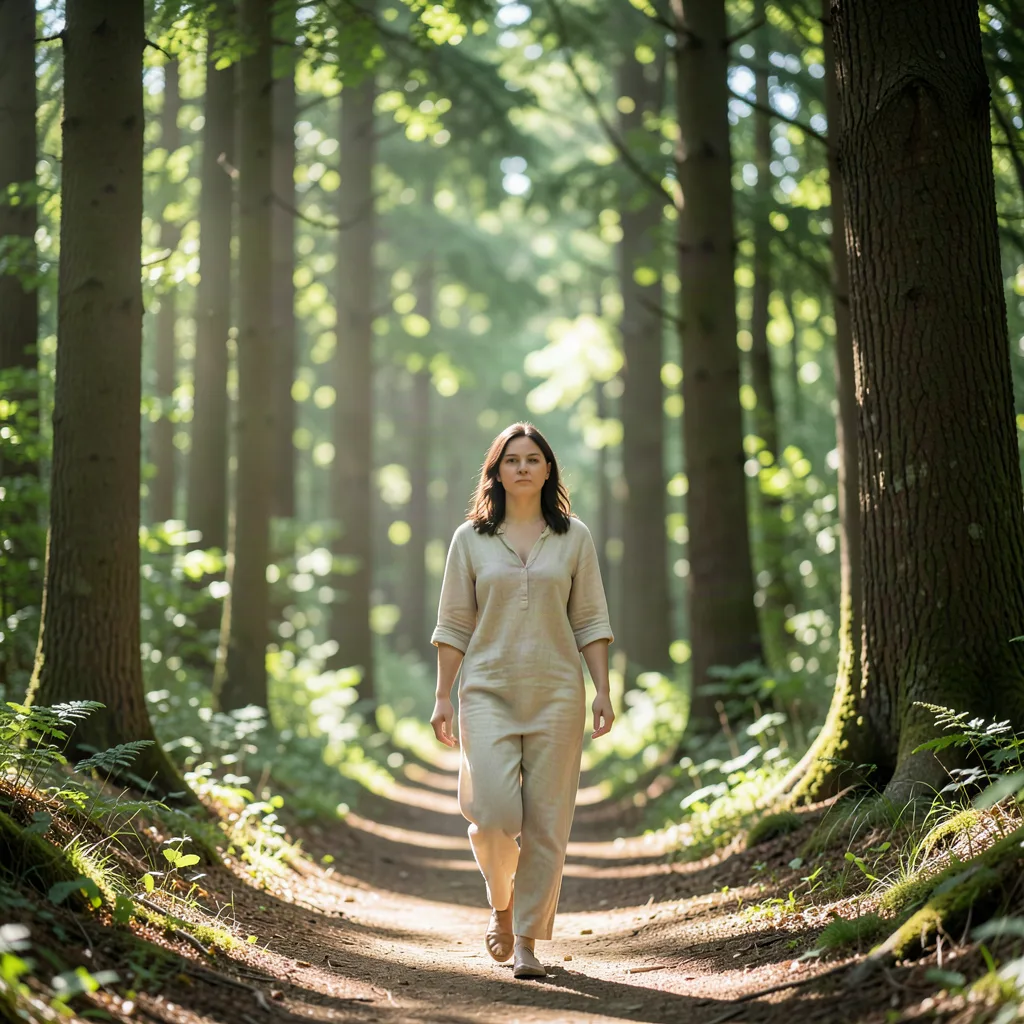
The Transformative Power of Walking Meditation
In our fast-paced world, finding moments of stillness and inner peace can feel like a challenge. While traditional seated meditation has long been praised for its mental and physical benefits, walking meditation is emerging as a powerful alternative that combines mindfulness with gentle movement. This practice not only offers a refreshing approach to meditation but may also provide unique advantages over sitting still. Let’s explore why walking meditation could be the key to unlocking a deeper sense of calm and presence in your daily life.
Key takeaways
- Walk slowly and deliberately, focusing on the sensation of your feet touching the ground and syncing breath with steps.
- Moving meditation improves circulation and reduces physical stiffness while providing a tangible anchor to help maintain mental focus.
- Incorporate 10-20 minutes of mindful walking into daily routines, such as during morning rituals, lunch breaks, or evening wind-downs.
- Use the practice to cultivate self-compassion and reduce stress by observing thoughts without judgment while staying present.
- Perform this practice anywhere, including indoors or during commutes, making it a flexible option for those with restless minds.
Understanding Walking Meditation
Walking meditation, also known as mindful walking or kinhin in Zen traditions, is a form of meditation in motion. Unlike seated meditation, it involves slow, deliberate walking while maintaining a keen awareness of your body, breath, and surroundings. The goal is not to reach a destination but to be fully present in each step, cultivating a deep sense of mindfulness and connection to the present moment.
This practice can be done anywhere – in nature, in your neighborhood, or even in the comfort of your own home. The key is to walk slowly and purposefully, syncing your breath with your steps and allowing your mind to settle into a rhythm of awareness.
The Benefits of Moving Meditation
Walking meditation offers a unique set of benefits that can complement or even surpass those of seated meditation for some practitioners:
- Increased physical well-being: Gentle movement promotes better circulation, reduces stiffness, and can help alleviate physical discomfort that might arise from sitting for long periods.
- Enhanced focus: The act of walking provides a tangible anchor for attention, making it easier for some to maintain focus and prevent the mind from wandering.
- Connection with nature: When practiced outdoors, walking meditation fosters a deeper connection with the natural world, enhancing feelings of peace and well-being.
- Accessibility: For those who find sitting still challenging due to physical discomfort or restlessness, walking meditation offers a more accessible entry point to mindfulness practice.
- Integration into daily life: Walking meditation can be easily incorporated into daily routines, making mindfulness a more seamless part of everyday life.
How Walking Meditation Cultivates Compassion and Well-being
One of the most beautiful aspects of walking meditation is its ability to nurture compassion and overall well-being. As we walk mindfully, we become more attuned not only to our own experience but also to the world around us. This heightened awareness can lead to:
- Self-compassion: By gently observing our thoughts and sensations without judgment, we cultivate a kinder relationship with ourselves.
- Environmental awareness: Mindful walking encourages us to notice and appreciate the beauty in our surroundings, fostering a sense of gratitude and connection.
- Empathy: As we become more present and aware, we may find ourselves more open to the experiences of others, enhancing our capacity for empathy and compassion.
- Stress reduction: The combination of gentle movement and mindfulness can significantly reduce stress and anxiety, promoting overall well-being.
By regularly practicing walking meditation, we can cultivate a more compassionate and mindful approach to life, benefiting not only ourselves but those around us as well.
Getting Started with Walking Meditation
Embarking on a walking meditation practice is simple and requires no special equipment. Here’s how to begin:
- Choose a quiet, safe place to walk. This could be a park, a quiet street, or even a hallway in your home.
- Stand still for a moment and take a few deep breaths to center yourself.
- Begin walking at a slow, natural pace. Focus on the sensation of your feet touching the ground.
- Synchronize your breath with your steps. You might inhale for two steps and exhale for three, for example.
- When your mind wanders, gently bring your attention back to your breath and the sensation of walking.
- Continue for 10-20 minutes, or whatever feels comfortable for you.
Remember, the goal is not to reach a destination or achieve a particular state of mind. Instead, focus on being fully present with each step, embracing whatever arises with curiosity and compassion.
Integrating Walking Meditation into Your Daily Life
One of the beauties of walking meditation is its flexibility and ease of integration into daily life. Here are some ways to incorporate this practice into your routine:
- Morning ritual: Start your day with a short walking meditation to set a mindful tone for the hours ahead.
- Lunch break practice: Use part of your lunch break to take a mindful walk, helping you reset and refocus for the afternoon.
- Nature walks: Combine your love for nature with meditation by practicing in parks or natural settings.
- Commute mindfulness: Transform part of your daily commute into a walking meditation, if safe to do so.
- Evening wind-down: End your day with a gentle walking meditation to help transition from work mode to relaxation.
By finding small pockets of time for walking meditation throughout your day, you can cultivate a more mindful, compassionate, and centered approach to life.
FAQ: Common Questions About Walking Meditation
1. Can walking meditation replace my seated practice?
Walking meditation can be a valuable complement to seated meditation or a standalone practice. While it offers unique benefits, it’s not necessarily a replacement for seated meditation. Many practitioners find value in incorporating both into their routine.
2. How long should a walking meditation session last?
Start with 10-15 minutes and gradually increase the duration as you become more comfortable with the practice. There’s no set rule – even a few minutes of mindful walking can be beneficial.
3. Is it okay to practice walking meditation indoors?
Absolutely! While outdoor settings can be particularly enjoyable, indoor practice is perfectly valid. You can walk mindfully in a hallway, around a room, or even in place if space is limited.
4. What if I get distracted during walking meditation?
Distractions are a normal part of any meditation practice. When you notice your mind has wandered, simply acknowledge it without judgment and gently return your focus to your breath and the sensation of walking.
5. Can I practice walking meditation with others?
Yes! Group walking meditation can be a powerful experience. It’s often practiced in meditation retreats and can foster a sense of community and shared mindfulness. Just remember to maintain your own pace and focus.
Embracing walking meditation as part of your mindfulness practice can open up new dimensions of awareness, compassion, and well-being. By combining gentle movement with focused attention, this accessible form of meditation offers a path to greater presence and peace in our daily lives. Whether you’re new to meditation or a seasoned practitioner, consider taking those first mindful steps towards a more centered, compassionate way of being. Remember, every journey begins with a single step – why not make it a mindful one?
Related posts:
 Winter Walking Strategies to Hit Your Daily Steps
 Guide to Walking Meditation
 Benefits of Walking Backwards
 60 Meditation Exercises and Activities to Relieve Stress & Anxiety
 Benefits of Brisk Walking
 Silent Walking Meditation
 How To Develop Compassionate Leadership Through Mindfulness
 Stress Relief Meditation