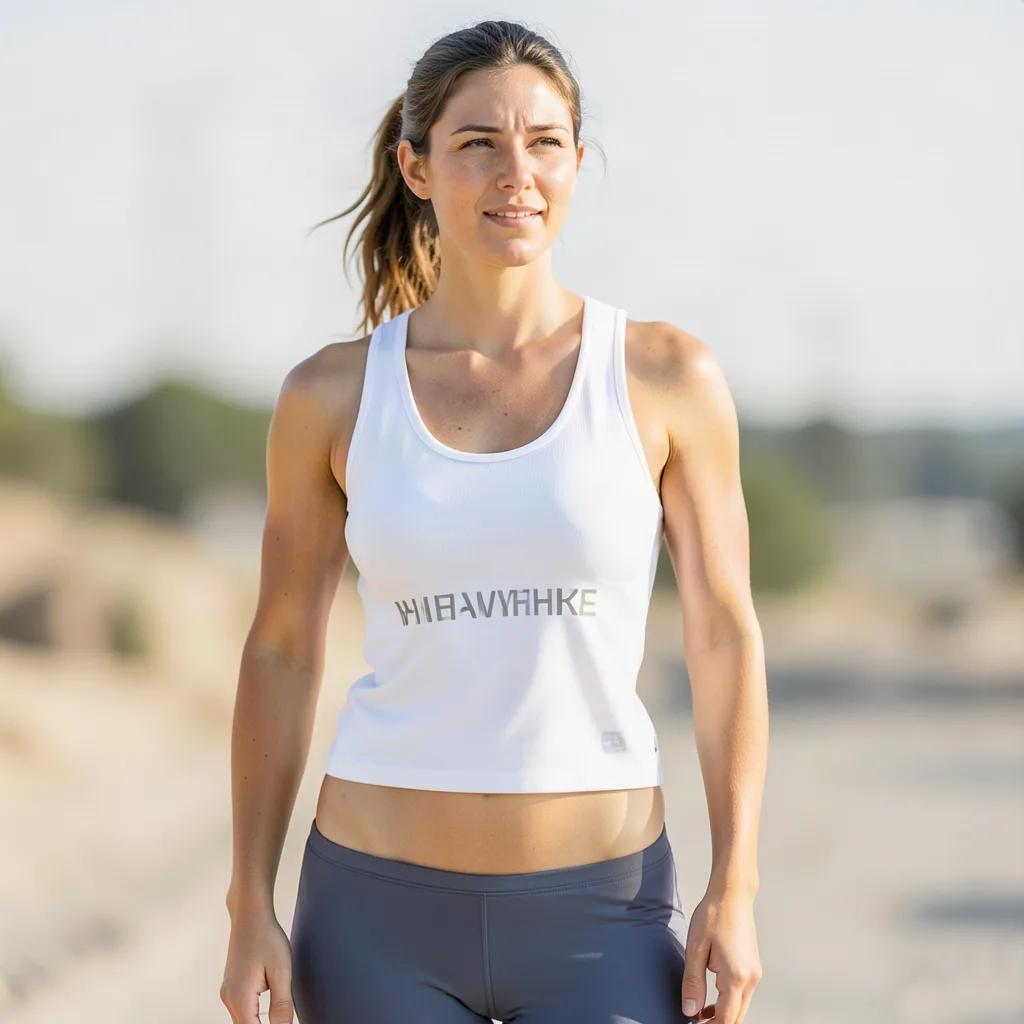
White activewear has moved from the periphery of gym closets to the forefront of fashion runways, Instagram feeds, and everyday street style. What once was considered a high‑maintenance choice—prone to visible sweat stains and difficult to match—has become a symbol of modern minimalism, confidence, and sustainability. In this article we explore the cultural, psychological, and technical reasons behind the surge, offer practical styling advice for all body types, and provide a guide to buying and caring for white workout pieces so you can enjoy the trend without the typical drawbacks.
The Rise of Minimalist Aesthetics in Fitness Culture
Over the past decade, fitness spaces have shifted from gritty, industrial gyms to bright, airy studios that emphasize clarity and calm. This visual shift mirrors a broader minimalist movement in design, where clean lines, neutral palettes, and uncluttered environments are prized. White clothing naturally complements such spaces, reflecting light and creating a sense of openness. Influencers and athletes alike have adopted the look, turning it into a visual shorthand for disciplined, focused training.
Social media platforms amplify this effect. A white‑on‑white outfit stands out in a sea of colour, making it instantly recognizable in scrolling feeds. Brands have responded by launching capsule collections that centre on pure, monochrome aesthetics. The result is a feedback loop: consumers see white activewear celebrated, purchase it, and further validate the trend.
From a market perspective, the minimalist aesthetic also aligns with the rise of athleisure as everyday wear. When a piece can transition from a yoga class to a coffee shop without looking out of place, it gains functional value, encouraging higher sales and more frequent wear.
Psychological Impact of Wearing White: Confidence and Cleanliness
Colour psychology suggests that white conveys purity, freshness, and a clean slate. For many, putting on white activewear signals an intention to start fresh, whether that means beginning a new workout routine or resetting mental focus. This symbolic ‘reset button’ can boost confidence, especially in environments where performance anxiety is common.
Research on clothing and self‑perception indicates that garments perceived as high‑quality can improve posture, gait, and overall self‑esteem. White fabrics, often associated with premium materials, can therefore have a subtle but measurable effect on how wearers feel during exercise. The visual clarity of white also reduces visual clutter, allowing the mind to concentrate on movement rather than outfit coordination.
Moreover, the contrast of white against sweat can act as an immediate performance indicator. When a piece stays relatively clean throughout a session, it reinforces a sense of control and competence, encouraging repeat use.
Technical Advances Making White Fabrics Practical
Historically, white activewear suffered from two major drawbacks: transparency and staining. Modern textile engineering has largely solved these issues. Advanced yarn blends that combine polyester, elastane, and moisture‑wicking fibers create opaque, stretch‑rich fabrics that retain a bright white appearance even under intense movement.
Anti‑stain treatments now incorporate nanotechnology that repels oils and pigments, meaning coffee splashes or outdoor dust are less likely to adhere permanently. Some manufacturers also embed UV‑protective agents, preventing yellowing from sun exposure—a common problem for lighter garments.
Another breakthrough is the use of silver‑ion or copper‑infused fibers that inhibit bacterial growth. This reduces odour build‑up, a frequent concern with white clothing, and extends the interval between washes. The result is a garment that looks pristine longer, justifying its higher price point.
Styling White Activewear for Different Body Types
White is a neutral canvas, but the way it interacts with shape can vary. For those with a pear‑shaped silhouette, high‑waisted leggings paired with a cropped white tank create a balanced proportion, drawing the eye upward and elongating the torso. Adding a structured white bomber jacket can further define the shoulders.
Apple‑shaped bodies benefit from layering: a loose‑fit white tee under a darker, fitted sports bra offers visual contrast that narrows the midsection. Pairing white joggers with a darker zip‑up hoodie can also create a slimming vertical line.
Tall or rectangular frames can experiment with colour blocking within the white palette. A white sports bra with subtle pastel piping, combined with pure white leggings, maintains a sleek silhouette while adding visual interest. For shorter individuals, cropped white tops paired with high‑waisted leggings prevent the outfit from overwhelming the frame.
Accessories such as white headbands, socks, or sneakers can unify the look without adding bulk. The key is to maintain a streamlined silhouette, allowing the brightness of the fabric to serve as the focal point rather than overwhelming the body’s natural lines.
Seasonal and Environmental Considerations
White garments reflect sunlight, making them an excellent choice for warm‑weather workouts. In summer, a white mesh tank paired with breathable leggings helps regulate body temperature by reflecting heat rather than absorbing it. Conversely, in cooler months, layering white pieces with darker, insulating layers creates a functional contrast that retains warmth while preserving the clean aesthetic.
Outdoor enthusiasts should consider the environment when wearing white. In dusty trails or autumnal forests, white can quickly collect debris. Selecting pieces with a brushed finish or a subtle heather texture can mask minor particles, extending the garment’s fresh appearance.
From an environmental standpoint, many white activewear lines now prioritize recycled polyester and low‑impact dyes. The lack of colour pigments reduces chemical usage during production, lowering the overall carbon footprint. When buying, look for certifications such as Global Recycled Standard or Bluesign, which indicate responsible manufacturing practices.
Sustainable Production and the White Trend
The surge in white activewear aligns with a growing consumer demand for sustainability. Because white fabrics require fewer dyes, manufacturers can streamline the production process, reducing water consumption and chemical runoff. Brands that specialise in eco‑friendly activewear often market white collections as flagship examples of their commitment to low‑impact design.
Recycled materials, such as post‑consumer plastic bottles, are frequently used in white collections. The resulting fabric retains the same performance characteristics—moisture management, stretch, and durability—while diverting waste from landfills. Some companies also implement take‑back programmes, allowing customers to return worn‑out white pieces for recycling into new garments.
When evaluating sustainability, consider the entire lifecycle: production, transport, use, and end‑of‑life. A high‑quality white top that lasts five years with proper care often has a lower overall environmental impact than a cheaper, coloured piece that needs frequent replacement.
Shopping Smart: Brands, Price Points, and Care Tips
To navigate the expanding market, start by defining your budget and performance needs. Premium brands such as Lululemon, Alo Yoga, and Outdoor Voices offer advanced fabric technologies and refined cuts, typically ranging from $80 to $150 per item. Mid‑range options from Nike, Under Armour, and Adidas provide reliable performance at $50‑$90. For budget‑friendly choices, consider retailers like Uniqlo, Target, or Decathlon, which now feature white lines that incorporate basic moisture‑wicking properties.
When shopping, test opacity by holding the garment up to light. Look for seamless construction and flatlock seams, which reduce chafing. If possible, try on the piece and move through a range of motions—squat, stretch, and reach—to ensure it stays in place.
Proper care extends the life of white activewear. Turn garments inside out before washing, use a gentle, colour‑safe detergent, and avoid fabric softeners, which can coat technical fibers and diminish wicking. Wash in cold water and line‑dry whenever possible; tumble drying can cause micro‑fibres to shed. For stubborn stains, treat with a mixture of baking soda and water, letting it sit for 15 minutes before a regular wash.
Incorporating White Activewear into Everyday Wardrobe
White activewear isn’t limited to the gym. A sleek white leggings paired with a relaxed denim jacket creates a casual‑cool look suitable for brunch or errands. Swap the sports bra for a fitted white tee, and add a pair of white sneakers to maintain a cohesive aesthetic.
For office‑friendly ensembles, choose high‑waisted white joggers with a structured, long‑sleeve white blouse. Layer a neutral blazer over the top and accessorise with minimal jewellery. This approach balances comfort with professionalism, reflecting the growing acceptance of athleisure in workplace dress codes.
Even evening wear can incorporate white activewear elements. A white cropped hoodie teamed with a leather skirt offers a contrast of textures while keeping the outfit comfortable. Pair with ankle boots and a statement necklace for a night‑out ready look.
By treating white activewear as a versatile base, you maximise its wear frequency, reduce the need for multiple colour pieces, and reinforce the minimalist ethos that fuels the trend.
The Historical Evolution of White Sportswear
White athletic garments did not appear overnight; their lineage stretches back to the early 20th century when tennis players first adopted all‑white uniforms to comply with club regulations that prized a “clean” aesthetic. In the 1920s, the iconic white polo shirt emerged from cricket grounds, later crossing over to golf courses where the colour symbolised a gentleman’s code of conduct. By the 1960s, the rise of aerobic classes and the birth of modern leisurewear saw manufacturers experiment with synthetic fibers, yet the colour palette remained dominated by white because it projected a sense of freshness in the sweaty, high‑energy environment of dance studios.
During the 1980s, the fitness boom introduced spandex and Lycra, materials that allowed for tighter fits and greater freedom of movement. Brands such as Champion and Reebok released white compression shorts and tank tops that were marketed as “performance‑enhancing” due to their ability to showcase muscle definition. The visual cue of a white silhouette on a glossy magazine cover reinforced the idea that elite athletes trained in pristine gear.
The early 2000s marked a turning point when high‑fashion designers began to reinterpret athletic wear for the runway. White became a canvas for experimental cuts, laser‑cut detailing, and avant‑garde silhouettes, blurring the line between sport and couture. This period also saw the introduction of “technical white” – fabrics dyed with low‑impact, pigment‑free processes that retained brightness after repeated washes. The convergence of runway drama and gym practicality cemented white as a timeless, cross‑contextual choice.
Today, the historical narrative continues as heritage brands re‑issue vintage white pieces, while tech‑forward startups launch ultra‑light, reflective white leggings that double as safety gear for night‑time runners. Understanding this timeline helps consumers appreciate that the current “major moment” is the latest chapter in a century‑long dialogue between sport, style, and societal values.
Global Cultural Perspectives on White Activewear
While Western markets have championed white as a symbol of minimalism, other regions interpret the colour through distinct cultural lenses. In Japan, the concept of shiroi (pure white) is linked to the Shinto practice of cleansing, making white workout attire a popular choice for early‑morning shrine runs and community fitness festivals. Brands targeting Japanese consumers often incorporate subtle, traditional patterns—such as wave motifs or sakura silhouettes—woven into the fabric to honour heritage while maintaining a contemporary look.
In the Middle East, the hot climate and cultural modesty norms have spurred the development of white, loose‑fitting activewear that covers the body without sacrificing breathability. Fabrics are engineered with a double‑layer mesh that traps air, providing a cooling effect similar to a parasol. Designers also integrate discreet prayer‑time pockets, allowing wearers to transition seamlessly between gym and mosque.
Latin American street‑style influencers frequently pair white athleisure with vibrant accessories, turning the monochrome base into a backdrop for bold, colourful statements. This practice reflects a regional aesthetic that celebrates contrast and joy, and it has inspired several global brands to release limited‑edition white collections featuring neon‑trim or embroidered embroidery that nods to local festivals.
In Scandinavia, the long, dark winters have given rise to “bright‑season” wardrobes where white activewear is deliberately chosen to lift mood during low‑light conditions. Outdoor enthusiasts there favour white base layers under high‑visibility jackets, leveraging the colour’s reflective properties to enhance safety on snow‑covered trails.
These diverse cultural narratives demonstrate that white activewear is not a monolith; its meaning shifts with geography, climate, and societal customs. Brands that respect these nuances—by offering region‑specific design cues, climate‑adapted fabrics, or culturally resonant marketing—gain authentic loyalty and expand the global footprint of the trend.
Cutting‑Edge Smart Textiles and Performance Enhancements
Beyond the anti‑stain and moisture‑wicking treatments already common in the market, a new generation of smart textiles is redefining what white activewear can do on the body. One breakthrough is the integration of conductive yarns that monitor muscle activation in real time. When woven into a white compression shirt, these fibers transmit electrical signals to a companion app, providing feedback on form, symmetry, and fatigue levels during lifts or sprint intervals.
Thermo‑regulating fibers are another frontier. Phase‑change materials (PCMs) embedded in the inner lining absorb excess body heat during high‑intensity bouts and release it slowly as the workout cools down. Because PCMs are colour‑neutral, they do not alter the garment’s brightness, preserving the pristine white appearance while delivering a measurable temperature‑control benefit.
For endurance athletes, embedded micro‑capsules of electrolytes release a light mist when the wearer’s sweat rate exceeds a preset threshold. This “self‑rehydrating” feature is particularly useful in ultramarathons where water stations are sparse. The capsules are sealed within the fabric’s weave, ensuring they remain invisible and do not affect the garment’s opacity.
Another emerging technology is UV‑responsive dye that darkens slightly under intense sunlight, providing a visual cue that the wearer has been exposed to potentially harmful UV levels. The shift is subtle—often a few shades of gray—so the garment retains its white identity while serving a protective function.
Edge cases such as high‑altitude climbing or underwater training have spurred niche innovations. White wetsuits with built‑in hydro‑dynamic panels reduce drag, while high‑altitude jackets incorporate oxygen‑sensing fibers that alert the wearer when acclimatization is needed. These specialized applications illustrate how the white canvas can host sophisticated performance ecosystems without compromising aesthetic purity.
Activity‑Specific White Gear: Running, Cycling, Yoga, and Beyond
Choosing white activewear for a particular discipline involves more than matching colour to outfit; it requires an understanding of the movement’s demands and the environment in which it occurs.
Running. Long‑distance runners often prefer white technical tees with a brushed interior. The brushed surface reduces friction against the skin, minimizing chafing on miles of repetitive motion. For trail runners, a white top with a matte finish camouflages minor mud specks, while reflective piping along the sleeves enhances visibility during dawn or dusk runs. Pair the top with white, high‑waist compression shorts that feature a built‑in pocket for a GPS watch, keeping the silhouette uninterrupted.
Cycling. Aerodynamic performance is paramount. White cycling jerseys made from low‑drag, tightly‑knit fabric cut wind resistance by up to 8 % compared with standard polyester. Many models incorporate a detachable, white, silicone‑grip chest panel that prevents the jersey from riding up over the shoulders—a common annoyance on steep climbs. White bib shorts with a seamless, silicone‑lined waistband provide a smooth fit under a padded saddle, while the bright colour improves visibility at intersections.
Yoga. The practice emphasizes fluid movement and a calm visual environment. White, ultra‑soft modal blends create a gentle, skin‑like feel that allows practitioners to transition between poses without adjusting the garment. Some yoga tops feature a hidden, white, stretch‑panel at the back that expands during deep backbends, offering extra mobility without breaking the clean line of the design. White leggings with a subtle, tonal ribbed texture hide the occasional dust from studio floors while maintaining a serene aesthetic.
CrossFit and HIIT. High‑intensity workouts demand durability and freedom of motion. White, double‑knit tank tops reinforced with a diamond‑weave zone at the shoulders withstand the pulling forces of rope climbs and kipping movements. White, heavyweight leggings with a reinforced knee panel protect against abrasion from box jumps. Adding a white, zip‑front utility vest with multiple low‑profile pockets allows athletes to carry small items—like a resistance band or a water bottle—without disrupting the monochrome look.
Water‑Based Activities. For paddleboarding or surf‑skate sessions, white rash guards made from quick‑dry, chlorine‑resistant fabric keep the skin protected while maintaining a crisp appearance even after exposure to saltwater. A white, UV‑protective swim cap paired with a seamless white brief offers a sleek silhouette that reduces drag in competitive swimming.
These activity‑specific recommendations illustrate how white activewear can be fine‑tuned to meet the functional nuances of each sport, turning a simple colour choice into a strategic performance decision.
Inclusive Design: Sizing, Gender Fluidity, and Adaptive Features
Historically, white activewear collections were dominated by a binary sizing system that catered primarily to a narrow body range. Modern brands are expanding this paradigm by introducing extended size ladders, gender‑neutral cuts, and adaptive design elements that address a broader spectrum of needs.
Extended Sizing. Companies now offer white leggings and tops that go up to 4XL, with reinforced seams and a higher denier count to maintain opacity at larger sizes. The fit algorithms take into account proportionate scaling—wider hips, longer inseams, and deeper armholes—ensuring the garment retains its sleek silhouette without sagging or becoming overly loose.
Gender‑Neutral Cuts. Traditional men’s white tank tops often feature a boxy cut, while women’s versions are tapered at the waist. Gender‑neutral designs adopt a balanced silhouette: a slightly relaxed shoulder line, a mid‑length hem, and a subtle, elasticised side panel that accommodates varying chest and hip measurements. This approach eliminates the need for separate “men’s” and “women’s” lines, allowing consumers to choose based on fit preference rather than gender label.
Adaptive Features. For athletes with disabilities, white activewear is being equipped with magnetic closures, Velcro adjustments, and easy‑release seams. A white compression sleeve with a discreet magnetic clasp can replace traditional zippers that may catch on prosthetic limbs. Similarly, white joggers with an inner, elastic waistband and a hidden, adjustable drawstring enable easy dressing for individuals with limited mobility.
Inclusive design also addresses skin‑tone considerations. While white is inherently neutral, the undertone of the fabric can affect how it appears against different complexions. Brands now offer white garments with a slight warm or cool tint, ensuring the hue complements a wide range of skin tones without appearing washed out.
By embedding inclusivity into the product development cycle—from pattern grading to marketing imagery—brands reinforce the message that white activewear is a universal option, not a niche reserved for a specific demographic.
Travel‑Ready White Activewear: Packing, Maintenance, and On‑the‑Go Care
Frequent travelers face unique challenges when incorporating white activewear into a suitcase. The colour’s propensity to show dust, lint, and minor spills can be mitigated with strategic packing methods and quick‑fix maintenance tricks.
Compression Packing Cubes. Rolling white leggings inside a lightweight compression cube reduces movement, preventing the fabric from rubbing against other items and attracting lint. For tops, fold them in thirds and place a sheet of tissue paper between each layer; the tissue acts as a barrier that catches stray fibers.
Travel‑Friendly Stain Shields. Many brands now sell detachable, ultra‑thin, white polymer sleeves that slip over leggings during transit. The sleeves protect the garment from sand, dust, and accidental spills in luggage compartments. After arrival, the sleeve can be removed and rinsed, leaving the leggings untouched.
On‑the‑Go Refresh Techniques. When a white tee looks dull after a long flight, a quick mist of diluted white‑vinegar solution (one part vinegar to three parts water) can lift surface grime without a full wash. Spray the garment, let it sit for a minute, then pat dry with a microfiber towel. For sweat stains, a dab of club soda applied to the affected area before a brief hand‑wash in a hotel sink can break down salts and restore brightness.
Dry‑Cleaning Alternatives. Some luxury white activewear lines are treated with a protective polymer that allows a “dry‑clean‑like” refresh using a portable fabric steamer. The steam lifts wrinkles, kills bacteria, and re‑activates the fabric’s water‑repellent finish, extending the wear cycle between washes.
Edge Cases: Extreme Climates. In desert destinations, white garments can become a heat‑absorbing liability if they are made from heavy, non‑breathable fabrics. Travelers should prioritize white pieces constructed from lightweight, mesh‑infused textiles that retain the colour’s reflective benefits while allowing airflow. Conversely, in cold‑weather ski resorts, a white, insulated base layer with a brushed interior provides both warmth and a clean visual under a colourful outer shell.
By planning ahead—selecting the right fabrics, employing protective accessories, and mastering rapid refresh methods—globetrotters can keep their white activewear looking runway‑ready wherever their workouts take them.
FAQ
- Is white activewear suitable for high‑intensity workouts where I sweat a lot?
- Yes, modern white fabrics are engineered with moisture‑wicking and anti‑stain technologies that keep the garment looking fresh even during intense sessions. Look for labels that mention sweat‑resistant or anti‑odor treatments.
- How can I prevent my white leggings from becoming see‑through?
- Choose leggings with a high denier count (typically 300‑400) and a double‑layered or brushed interior. Test opacity by holding the fabric up to light before purchasing.
- What is the best way to store white activewear to keep it bright?
- Store items in a cool, dry place away from direct sunlight. Use breathable fabric bags rather than plastic to avoid moisture buildup, which can lead to yellowing over time.
- Can I mix white activewear with coloured pieces without clashing?
- Absolutely. Pair white bottoms with a coloured top or vice versa to create balanced contrast. Neutral accessories like black or grey sneakers maintain a cohesive look while adding visual interest.
- Are there eco‑friendly white activewear options that don’t compromise performance?
- Many brands now offer white collections made from recycled polyester or organic cotton blended with elastane. These fabrics retain the stretch and moisture management of traditional synthetics while reducing environmental impact.
Related posts:
 Spanx Leggings Sale Alert
 Sparkly Leggings: The Holiday Fashion Statement That Divided the Internet
 Balencyoga: Luxury Yoga Wear
 The Great Leggings Debate That Had United Airlines in Hot Water
 Victoria’s Secret Activewear Deals
 Designer Leggings for Less: Score Carbon38’s Premium Activewear Under $60
 Stylish Blanket Scarves for Leggings
 2018 Activewear Trends