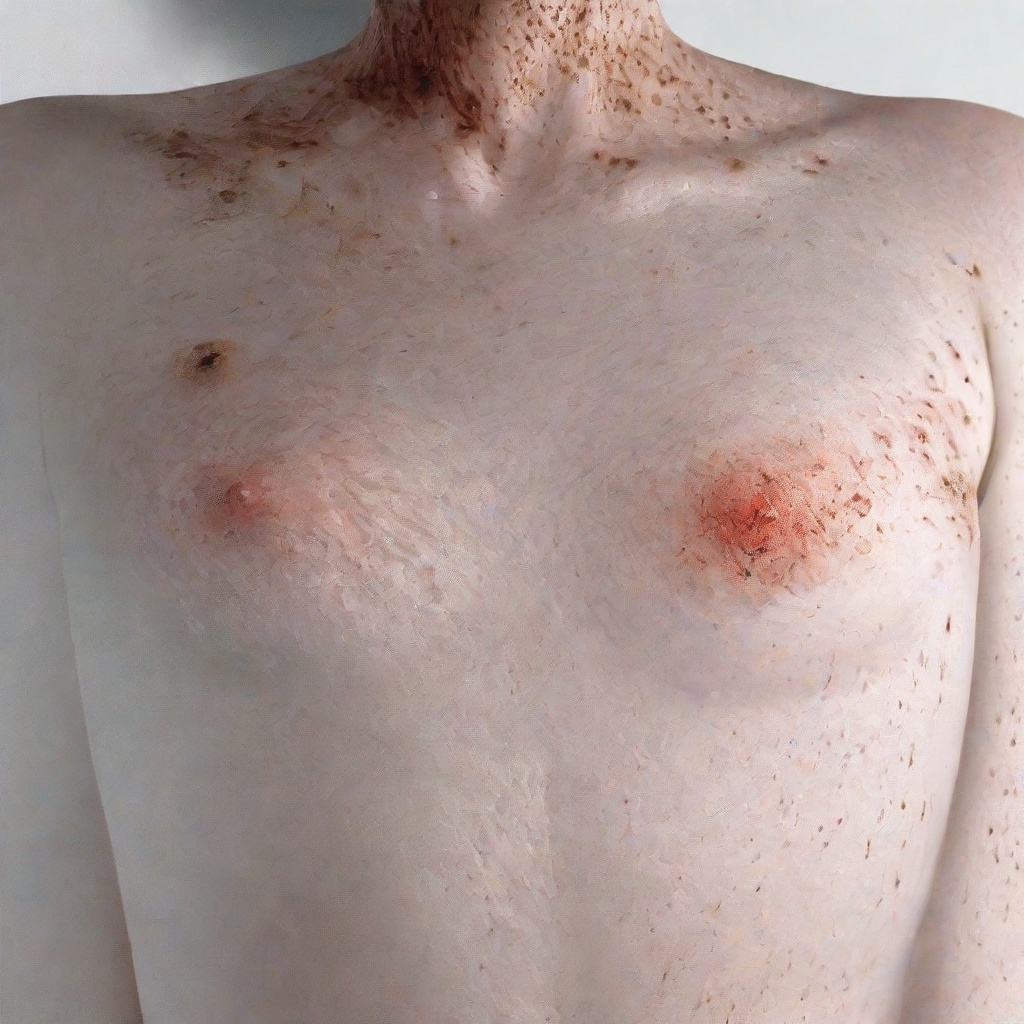
Many people notice an itchy, red rash that appears after wearing a new shirt or after a long day in tight jeans. While the cause can feel mysterious, the fabric touching your skin is often the hidden trigger. This guide walks you through the most common ways clothing can irritate skin, how to pinpoint the offending item, and practical steps to keep your wardrobe comfortable and rash‑free.
Key takeaways
- Identify triggers by keeping a detailed diary of clothing, detergents, and skin symptoms.
- Switch to fragrance-free, dye-free detergents and avoid fabric softeners that coat fibers with chemicals.
- Prioritize breathable, natural fibers like organic cotton or bamboo and look for OEKO-TEX or GOTS certifications.
- Use physical barriers like silicone tape or cotton liners to protect skin from metal fasteners and zippers.
- Wash new clothes twice before wearing to remove residual formaldehyde, dyes, and manufacturing finishes.
Understanding Contact Dermatitis from Clothing
Contact dermatitis is an inflammatory skin reaction that occurs when a substance touches the skin and provokes an immune response or direct irritation. Clothing can act as a carrier for allergens, irritants, or physical stressors. The reaction may appear within hours or develop after repeated exposure, making it easy to overlook the garment as the source. Recognizing the two main types — allergic contact dermatitis and irritant contact dermatitis — helps you decide whether the problem is a specific chemical sensitivity or a more general intolerance to friction, heat, or moisture.
Allergic contact dermatitis involves a true immune reaction to a substance such as a dye, formaldehyde resin, or nickel in fasteners. Irritant contact dermatitis, on the other hand, results from direct damage to the skin barrier by harsh fibers, detergents, or prolonged wetness. Both produce redness, itching, scaling, and sometimes small blisters, but the management strategies differ slightly. Knowing which pathway is at play guides the choice of fabrics, laundry products, and when to seek professional testing.
Common Fabric Culprits: Synthetic vs Natural Fibers
Synthetic fibers such as polyester, nylon, and acrylic are prized for durability and stretch, yet they often trap heat and sweat against the skin. This micro‑environment encourages bacterial growth and increases friction, both of which can aggravate existing sensitivity. Natural fibers like cotton, linen, silk, and bamboo are generally more breathable, but they are not automatically safe. Conventional cotton may retain pesticide residues, while wool can cause mechanical irritation due to its coarse scales. Blended fabrics combine the drawbacks of each component, so reading the label is essential.
If you suspect a particular fiber, try a controlled swap: replace the suspect garment with a 100 % organic cotton or bamboo alternative for at least two weeks while keeping all other variables constant. Observe whether the rash improves, worsens, or stays the same. This simple experiment often reveals whether the fiber itself, a finish, or a laundry residue is responsible.
Chemical Residues: Dyes, Finishes, and Formaldehyde
Textile manufacturers use a wide array of chemicals to achieve colorfastness, wrinkle resistance, stain repellence, and antimicrobial properties. Azo dyes, disperse dyes, and formaldehyde‑based resins are among the most common sensitizers. Even garments labeled “pre‑washed” can retain trace amounts of these substances, especially if they have been stored in plastic packaging that limits off‑gassing.
Look for certifications such as OEKO‑TEX Standard 100, GOTS, or Bluesign, which verify that the finished product meets strict limits on harmful chemicals. When buying new clothing, consider washing it twice before the first wear using a fragrance‑free, dye‑free detergent. This extra rinse cycle can significantly reduce residual formaldehyde and dye particles that would otherwise migrate onto the skin.
Laundry Products That Trigger Reactions
Detergents, fabric softeners, dryer sheets, and scent boosters are frequent hidden culprits. Optical brighteners, enzymes, and synthetic fragrances can remain on fibers after rinsing, especially in high‑efficiency machines that use less water. People with atopic dermatitis or eczema are particularly vulnerable to these residues.
Switch to a hypoallergenic, fragrance‑free liquid detergent formulated for sensitive skin. Avoid fabric softeners altogether; they coat fibers with a thin film that can trap allergens and reduce breathability. If you prefer a softer feel, add a half cup of white vinegar to the rinse cycle — it naturally softens fabric without leaving a chemical residue. Run an extra rinse cycle whenever possible, and clean the detergent drawer regularly to prevent buildup.
Fit, Friction, and Moisture: Mechanical Irritation
Even the most skin‑friendly fabric can cause a rash if the garment fits poorly. Tight waistbands, restrictive sleeves, and rough seams create constant friction that damages the stratum corneum, the outermost protective layer of skin. Sweat trapped under snug clothing further macerates the skin, lowering its threshold for irritation.
Choose garments with a relaxed cut, flat‑locked seams, and tagless labels. For activewear, look for moisture‑wicking fabrics that move sweat away from the body rather than holding it against the skin. After exercise, change out of damp clothing promptly and pat the skin dry before putting on fresh layers. Applying a thin barrier cream containing ceramides or dimethicone to high‑friction zones can also reduce chafing.
Identifying Your Personal Triggers: A Step‑by‑Step Diary
Because reactions can be delayed, a systematic diary is the most reliable way to connect a rash to a specific garment or laundry habit. Record the date, time, clothing items worn (including underwear and socks), laundry products used, activity level, and any skin symptoms. Note the location, intensity, and duration of itching or redness.
After two to four weeks, review the log for patterns. You may discover that a particular brand of jeans, a specific detergent, or a certain synthetic blend consistently precedes flare‑ups. Share this diary with a dermatologist or allergist; it dramatically shortens the diagnostic process and helps tailor patch‑testing panels to the most likely suspects.
Practical Wardrobe Adjustments for Sensitive Skin
Building a skin‑friendly wardrobe does not require a complete overhaul. Start by segregating your most reactive items — those that consistently appear in your diary — and replace them one at a time. Prioritize underwear, socks, and base layers, as these have the most prolonged skin contact.
Invest in a few high‑quality, certified organic cotton or bamboo basics in neutral colors. These pieces can be mixed and matched, reducing the total number of garments you need. When shopping, feel the fabric; a smooth, soft hand feel usually indicates fewer protruding fibers. Avoid garments with heavy embellishments, metallic threads, or stiff collars that can rub.
Rotate clothing to allow each piece a full airing between wears. Store items in breathable cotton garment bags rather than plastic, which can trap volatile organic compounds. Regularly inspect seams and tags for wear; frayed edges become new friction points.
When to See a Dermatologist and What to Expect
If the rash persists beyond two weeks despite wardrobe changes, spreads beyond clothed areas, becomes painful, shows signs of infection (pus, increasing warmth, fever), or is accompanied by systemic symptoms, schedule a dermatology appointment. A specialist can perform patch testing to pinpoint specific allergens, evaluate for underlying conditions such as atopic dermatitis or psoriasis, and prescribe topical corticosteroids or calcineurin inhibitors for short‑term control.
Bring your clothing diary, a list of laundry products, and a few suspect garments (or photos of labels) to the visit. The doctor may also recommend a skin‑care routine focused on barrier repair — gentle cleansers, fragrance‑free moisturizers, and occasional wet‑wrap therapy for severe flares. Early professional input prevents chronic lichenification and reduces the risk of long‑term skin damage.
Hidden Metal Allergens in Fasteners, Zippers, and Decorative Trim
Metal components are a frequent but often overlooked source of contact dermatitis. Nickel remains the most common sensitizer, yet cobalt, chromium, and even trace amounts of copper can provoke reactions in susceptible individuals. Jeans with brass buttons, shirts with metal snaps, bras with underwire, and jackets with decorative studs all place metal in prolonged contact with skin, especially at pressure points such as the waist, underarms, and neckline.
Plated or coated metals do not guarantee safety. A thin nickel‑free coating can wear away after repeated washing, exposing the underlying alloy. Stainless steel labeled “surgical grade” typically contains 10‑12 % nickel and may still trigger a response. Titanium, niobium, and high‑purity plastic fasteners are the most reliable hypoallergenic choices. When shopping, look for explicit “nickel‑free” labeling or certifications such as the EU Nickel Directive compliance mark.
Practical testing can be done at home: apply a small piece of adhesive tape over the metal part, leave it for 24 hours, then remove and observe for erythema or itching. For a more definitive answer, a dermatologist can perform a metal series patch test. In the meantime, barrier strategies help — place a thin cotton liner or a strip of medical‑grade silicone tape between the metal and skin, or replace metal hardware with plastic equivalents. Tailors can often swap buttons and snaps without altering the garment’s appearance.
Textile Finishing Treatments: Wrinkle‑Free, Stain‑Resistant, Antimicrobial, and UV‑Protective Coatings
Beyond dyes and formaldehyde resins, modern fabrics receive a suite of performance finishes that can linger on fibers and migrate onto skin. Durable‑press or “wrinkle‑free” finishes often rely on formaldehyde‑based cross‑linkers that continue to off‑gas for weeks. Stain‑resistant treatments typically use per‑ and polyfluoroalkyl substances (PFAS) which are persistent, bioaccumulative, and have been linked to irritant dermatitis in occupational settings.
Antimicrobial finishes may incorporate silver nanoparticles, triclosan, or quaternary ammonium compounds. While marketed for odor control, these agents can disrupt the skin microbiome and provoke allergic responses, especially in individuals with atopic dermatitis. UV‑protective clothing frequently embeds titanium dioxide or zinc oxide particles; in rare cases, photocatalytic activity under sunlight can generate reactive oxygen species that irritate sensitive skin.
Identifying these finishes requires label scrutiny. Terms such as “permanent press”, “stain release”, “odor control”, “UV shield”, or “water repellent” signal the presence of chemical treatments. Certifications like Bluesign, OEKO‑TEX Standard 100, or the Global Organic Textile Standard (GOTS) restrict many of these substances. When a garment lacks certification, a pragmatic approach is to wash it at least three times in hot water (if fabric permits) with a fragrance‑free detergent, then line‑dry in direct sunlight to accelerate degradation of residual finishes. Avoid ironing or tumble‑drying at high heat until the finish has been sufficiently removed, as heat can re‑activate certain cross‑linkers.
Seasonal and Climate‑Driven Clothing Choices for Sensitive Skin
Temperature and humidity dramatically alter how fabric interacts with the skin barrier. In hot, humid conditions, sweat accumulates beneath tight or non‑breathable layers, creating a macerated environment that lowers the irritation threshold for any residual chemical or mechanical stressor. Lightweight, open‑weave linen, hemp, or high‑twist cotton allow rapid evaporation and reduce friction. Conversely, cold, dry indoor heating strips the stratum corneum of lipids, making skin more vulnerable to rough fibers and static electricity.
Layering strategy matters. A thin, moisture‑wicking base layer (e.g., merino wool blended with a small percentage of elastane) pulls sweat away from the skin while providing insulation. Mid‑layers should be breathable fleece or knit without bulky seams. Outer shells must be wind‑proof yet vapor‑permeable; look for membranes rated with a high moisture‑vapor transmission rate (MVTR). During transitional seasons, keep a packable, unlined cotton shirt handy to swap out if a sudden temperature shift triggers flushing or itching.
Travel introduces additional variables: airplane cabins have low humidity (≈10‑20 %), hotel laundries may use harsh detergents, and unfamiliar water hardness can affect detergent performance. Pack a small travel‑size hypoallergenic detergent, a portable garment steamer to refresh items without washing, and a silk or bamboo sleep sack to protect skin from hotel bedding that may retain industrial softeners.
Secondhand, Vintage, and Upcycled Garments: Unique Risk Profile
Pre‑loved clothing carries a distinct set of hidden irritants. Prior owners may have used scented detergents, fabric softeners, or moth‑repellent products such as naphthalene or paradichlorobenzene, which can embed in fibers and persist through multiple washes. Vintage pieces from the 1960s‑1980s often contain formaldehyde‑based permanent‑press finishes that were applied more liberally than today’s regulated limits. Additionally, metal hardware on older garments can corrode, releasing nickel salts directly onto skin.
Upcycled or refashioned items may combine fabrics of unknown provenance, stitching with synthetic threads that melt under heat, or adhesives used for patches and embellishments. These adhesives can contain acrylates, a known allergen group. Before integrating a secondhand piece into a sensitive wardrobe, follow a decontamination protocol: soak the garment in a solution of one part white vinegar to four parts lukewarm water for 30 minutes, then run two full wash cycles with a fragrance‑free, dye‑free detergent and an extra rinse. Inspect seams, labels, and fasteners for corrosion or residue; replace any compromised hardware. When possible, request the seller’s laundering history or opt for items that have been professionally cleaned using a certified green process.
Clothing Interactions with Medical Devices and Wearable Technology
Individuals who rely on insulin pumps, continuous glucose monitors (CGMs), cardiac event recorders, or ostomy appliances face a unique intersection of textile engineering and device ergonomics. Adhesive patches securing sensors can be dislodged by friction from waistbands, bra straps, or tight sleeves. Conversely, the device housing can create pressure points that concentrate sweat and heat, amplifying any underlying textile irritation.
Garments designed with device‑friendly features — such as discreet pockets lined with smooth, low‑friction fabric, seamless construction around the torso, and adjustable closures that avoid direct pressure over infusion sites — reduce both mechanical trauma and chemical exposure. For example, a high‑waisted leggings model with a hidden, silicone‑grip pocket keeps a pump stable without elastic bands digging into the abdomen. Smart shirts embedding ECG electrodes must use hypoallergenic conductive yarns (often silver‑coated nylon) and be washed according to manufacturer specifications to prevent degradation that could release metal particles.
Practical tips: rotate device placement sites daily to avoid chronic pressure on one skin area; apply a thin barrier film (e.g., a dimethicone‑based skin protectant) under adhesive edges; choose underwear and base layers with flat‑locked seams and tagless labels; and keep a spare set of device‑compatible clothing in a travel bag for unexpected sensor failures.
Advanced Laundry Strategies: Water Hardness, Detergent Dosing, Machine Maintenance, and Alternative Softening Methods
Water hardness profoundly influences detergent efficacy and residue load. In hard‑water regions (>180 ppm calcium carbonate), surfactants bind to minerals, forming insoluble “soap scum” that deposits on fibers and can irritate skin. Using a water‑softening additive such as sodium carbonate (washing soda) at ½ cup per load improves surfactant performance and reduces the need for excess detergent. Conversely, in soft‑water areas, over‑dosing creates a surplus of surfactant that rinses poorly, especially in high‑efficiency machines that use minimal water.
Accurate dosing is critical. Follow the manufacturer’s guideline for load size and soil level, then subtract 10‑15 % if you have a front‑loader with a high‑spin cycle, as mechanical action enhances cleaning. Run an extra rinse cycle whenever possible; many modern machines allow a “rinse+spin” option that adds only a few minutes but dramatically lowers residual detergent. Clean the detergent drawer and door gasket monthly with a solution of hot water and white vinegar to prevent biofilm buildup that can harbor allergenic microbes.
For those who miss the hand‑feel of fabric softener, wool dryer balls (three to six per load) mechanically separate fibers, reduce static, and shorten drying time without chemicals. Adding ¼ cup of baking soda to the wash cycle buffers pH and neutralizes acidic residues from sweat. Avoid dryer sheets entirely; they deposit a thin quaternary ammonium film that can trigger contact urticaria in sensitized individuals. If line‑drying outdoors, shake garments vigorously before hanging to dislodge pollen and airborne particulates that may later act as co‑irritants.
Patch Testing Nuances and Cross‑Reactivity Patterns Relevant to Textile Allergens
Standard patch‑test panels (e.g., the North American Contact Dermatitis Group series) include many textile‑related allergens, but clinicians often customize the tray based on patient history. The textile series adds disperse dyes (especially Disperse Blue 106 and Disperse Yellow 3), formaldehyde releasers (quaternium‑15, imidazolidinyl urea), and a metal series (nickel sulfate, cobalt chloride, potassium dichromate). Fragrance mix I and II capture reactions to scented detergents and fabric softeners that may masquerade as fabric allergy.
Cross‑reactivity is a practical concern. Individuals sensitized to paraphenylenediamine (PPD) in hair dye frequently react to black textile dyes that share the aromatic amine backbone. Rubber accelerator allergens (thiuram mix, mercaptobenzothiazole) can cross‑react with elastic waistbands containing latex or synthetic rubber threads. A positive reaction to formaldehyde releasers may indicate sensitivity to both wrinkle‑free finishes and certain preservatives in laundry products.
When preparing for patch testing, bring small swatches (≈2 cm²) of suspect garments, including any lining, label, and fastener material. Photograph care labels for the allergist’s reference. Timing matters: avoid topical corticosteroids on the test area for at least two weeks prior, and refrain from washing the test site on the day of application. Readings at 48 hours and again at 96 hours capture delayed reactions typical of textile allergens. A detailed test report enables targeted avoidance — for instance, selecting “nickel‑free” hardware, “disperse‑dye‑free” dark fabrics, or “formaldehyde‑free” finishes — rather than blanket elimination of entire fiber categories.
Frequently Asked Questions
Q: Can a rash appear days after wearing a new shirt? A: Yes. Allergic contact dermatitis often has a delayed onset of 24 to 72 hours because the immune system needs time to recognize the allergen and mount a response.
Q: Are natural fabrics always safer for sensitive skin? A: Not necessarily. Conventional cotton may carry pesticide residues, and wool can be mechanically irritating. Certified organic or OEKO‑TEX‑tested natural fibers are the safest choices.
Q: Does washing new clothes once remove all irritants? A: A single wash reduces but may not eliminate all chemical residues. Two washes with a fragrance‑free detergent and an extra rinse cycle provide a more thorough clean.
Q: Can laundry detergent cause a rash even if I use the same brand for years? A: Manufacturers occasionally reformulate products, and skin sensitivity can change over time. Switching to a hypoallergenic formula can reveal a previously unnoticed trigger.
Q: What is the quickest way to soothe an active clothing‑related rash? A: Remove the offending garment, cleanse the area with lukewarm water and a gentle cleanser, apply a fragrance‑free barrier cream, and keep the skin cool and dry. Over‑the‑counter hydrocortisone 1 % can be used for up to one week if needed, but consult a clinician for longer use.