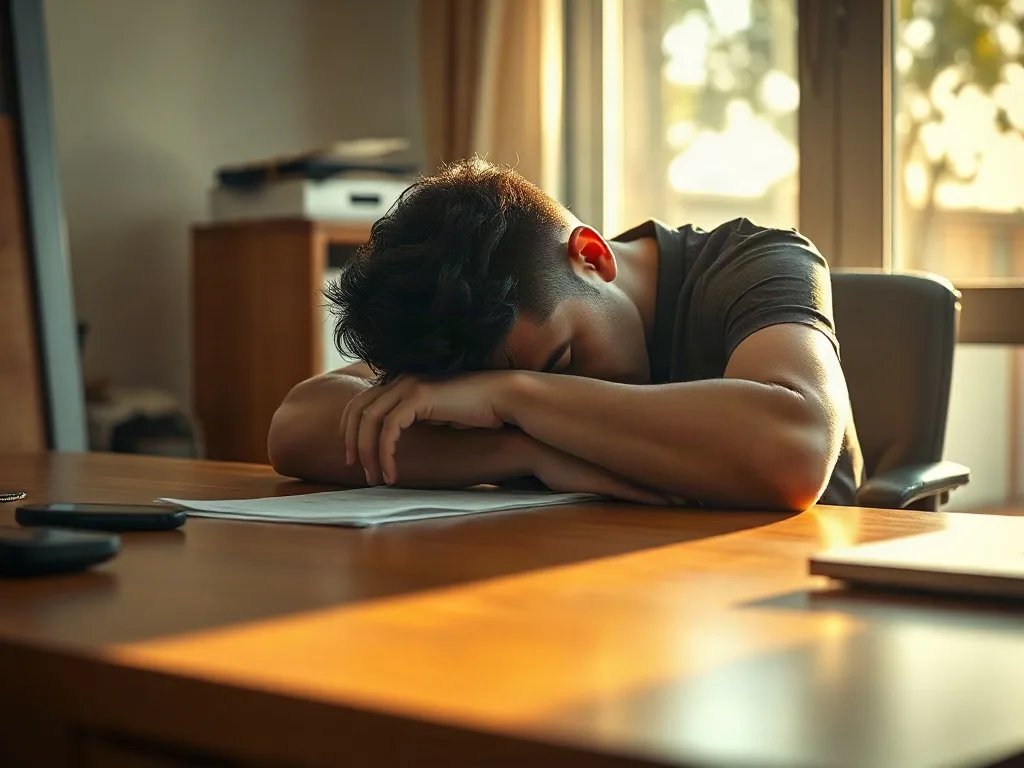
Many people notice a predictable dip in energy around mid‑afternoon, often feeling sluggish, unfocused, or ready for a nap shortly after lunch. This phenomenon is not simply a result of a heavy meal or laziness; it is rooted in the body’s internal timing system, known as the circadian rhythm. Understanding why this slump occurs and how to work with—rather than against—your natural clock can help you maintain steadier alertness, improve productivity, and support overall well‑being.
Understanding the Circadian Rhythm and the Post‑Lunch Dip
The circadian rhythm is a roughly 24‑hour cycle that regulates physiological processes such as hormone release, body temperature, and sleep‑wake tendencies. In most adults, alertness peaks in the late morning and again in the early evening, while a natural dip occurs in the early afternoon. This dip coincides with a slight drop in core body temperature and a rise in melatonin‑like signaling, even though melatonin levels remain low enough to keep you awake.
Research shows that the timing of this dip is relatively stable across individuals, typically appearing between 1 p.m. and 4 p.m., with many reporting the strongest sensation around 3 p.m. The dip is not a sign of pathology; it is an expected part of the biological schedule. Recognizing it as a normal fluctuation helps reduce frustration and opens the door to practical strategies that align with your body’s innate patterns.
How Light Exposure Influences Afternoon Energy
Light is the primary external cue that synchronizes the circadian clock. Exposure to bright, blue‑enriched light in the morning helps advance the rhythm, promoting wakefulness earlier in the day. Conversely, insufficient light exposure during the afternoon can exacerbate the natural dip, making you feel more fatigued.
To counteract this, aim for at least 10–15 minutes of outdoor light or bright indoor lighting (around 500–1,000 lux) after lunch. If you work indoors, consider placing your desk near a window or using a light therapy box that mimics daylight. Even brief walks outside can provide enough photon influx to signal the brain that it is still daytime, thereby reducing the depth of the afternoon dip.
Nutrition Choices That Stabilize Blood Sugar
What you eat at lunch plays a significant role in how you feel a few hours later. Meals high in refined carbohydrates—such as white bread, sugary snacks, or heavy pasta—can cause a rapid rise in blood glucose followed by a sharp drop, often called a “sugar crash.” This crash can amplify the natural circadian dip, leaving you feeling unusually tired.
Opt for balanced meals that combine lean protein, healthy fats, and fiber‑rich carbohydrates. Examples include grilled chicken salad with olive oil and mixed greens, a quinoa bowl with black beans and roasted vegetables, or a whole‑grain wrap with turkey, avocado, and leafy greens. Including a modest amount of complex carbs (like sweet potato or whole grain) provides steady glucose release without the spike‑and‑crash pattern.
Hydration also matters. Dehydration can mimic fatigue, so sip water consistently throughout the day. Herbal teas or infused water can be appealing alternatives if plain water feels monotonous.
Movement and Microbreaks to Combat Fatigue
Physical activity stimulates circulation, increases oxygen delivery to the brain, and triggers the release of neurotransmitters like dopamine and norepinephrine, which support alertness. Even low‑intensity movement can blunt the afternoon dip.
Incorporate microbreaks every 60–90 minutes: stand, stretch, or walk for two to three minutes. Simple exercises such as calf raises, shoulder rolls, or a quick walk around the office can reset muscle tension and improve blood flow. If possible, schedule a brief 10‑minute walk after lunch; the combination of light exposure and movement offers a synergistic boost.
For those who sit for long periods, consider a sit‑stand desk or a timer that reminds you to change posture. Alternating between sitting and standing helps maintain muscular engagement and reduces the tendency to slump into a passive, sleepy state.
Stress, Mental Load, and the Afternoon Slump
Mental fatigue often parallels physical fatigue. High cognitive load, multitasking, or unresolved stress can drain mental resources, making the natural dip feel more pronounced. When the brain is already taxed, the circadian dip adds an extra layer of tiredness.
Practice brief mental reset techniques: close your eyes for 30 seconds and focus on your breathing, perform a quick body scan to release tension, or engage in a mindfulness exercise that shifts attention away from work‑related thoughts. Even a short gratitude reflection or a quick doodle can provide a mental break that restores some capacity.
If you notice that stress consistently spikes in the afternoon, evaluate your workload distribution. Shifting more demanding tasks to the morning, when alertness is naturally higher, and reserving routine or creative tasks for the afternoon can align your workload with your internal rhythm.
Optimizing Your Work Environment for Alertness
Environmental factors such as temperature, noise, and air quality influence how awake you feel. A warm, stuffy room can increase sleepiness, while cooler temperatures (around 68–72 °F or 20–22 °C) tend to promote wakefulness. Similarly, excessive background noise can be draining, whereas moderate, consistent sound—like soft instrumental music or white noise—can help maintain focus.
Ensure your workspace is well‑ventilated; if possible, open a window or use an air purifier to keep fresh air circulating. Adjust lighting to avoid glare on screens, which can cause eye strain and contribute to fatigue. Position your monitor at eye level and about an arm’s length away to reduce neck strain.
Consider adding elements that promote alertness, such as a small plant (which can improve air quality and provide a pleasant visual break) or a citrus‑scented essential oil diffuser, as some scents have been linked to increased perceived energy.
When to Consider a Short Nap or Restorative Break
For some individuals, a brief nap can be an effective way to counteract the afternoon dip without interfering with nighttime sleep. The key is timing and duration: a nap of 10–20 minutes taken early in the dip window (ideally before 3 p.m.) can improve alertness, reaction time, and mood without entering deep sleep stages that cause grogginess.
If you have the opportunity, find a quiet, dimly lit space, set an alarm, and allow yourself to rest. Even a quiet rest period with eyes closed—without actually falling asleep—can reduce mental fatigue and restore some capacity. Avoid longer naps (over 30 minutes) later in the day, as they may delay nighttime sleep onset and reduce overall sleep quality.
If napping is not feasible, consider a “restorative break” that combines low‑stimulus activities: gentle stretching, listening to calming music, or simply sitting quietly with a cup of herbal tea. The goal is to shift the nervous system from a state of heightened arousal to a more relaxed baseline, which can make the subsequent return to work feel less taxing.
Building a Personalized Afternoon Energy Plan
Because individual schedules, responsibilities, and biological variations differ, the most effective approach is to create a customized plan that integrates the strategies above. Start by tracking your energy levels for a few days: note the time you feel most alert, when the dip begins, and what you were doing or eating beforehand. Use this data to identify patterns.
Next, select two or three interventions that feel most practical for your context. For example, you might commit to a 10‑minute walk after lunch, replace a sugary dessert with a protein‑rich snack, and set a reminder to stand and stretch every hour. Implement these changes gradually, observing how they affect your sense of alertness and productivity.
Finally, review and adjust weekly. If a particular tactic isn’t helping, try an alternative—perhaps swapping the walk for a brief session of stair climbing, or experimenting with a different snack composition. Over time, you’ll refine a routine that works with your natural body clock rather than fighting it, leading to steadier energy, improved focus, and better overall well‑being.
Understanding the Circadian Rhythm and the Post‑Lunch Dip
The circadian rhythm is a roughly 24‑hour cycle that regulates physiological processes such as hormone release, body temperature, and sleep‑wake tendencies. In most adults, alertness peaks in the late morning and again in the early evening, while a natural dip occurs in the early afternoon. This dip coincides with a slight drop in core body temperature and a rise in melatonin‑like signaling, even though melatonin levels remain low enough to keep you awake.
Research shows that the timing of this dip is relatively stable across individuals, typically appearing between 1 p.m. and 4 p.m., with many reporting the strongest sensation around 3 p.m. The dip is not a sign of pathology; it is an expected part of the biological schedule. Recognizing it as a normal fluctuation helps reduce frustration and opens the door to practical strategies that align with your body’s innate patterns.
How Light Exposure Influences Afternoon Energy
Light is the primary external cue that synchronizes the circadian clock. Exposure to bright, blue‑enriched light in the morning helps advance the rhythm, promoting wakefulness earlier in the day. Conversely, insufficient light exposure during the afternoon can exacerbate the natural dip, making you feel more fatigued.
To counteract this, aim for at least 10–15 minutes of outdoor light or bright indoor lighting (around 500–1,000 lux) after lunch. If you work indoors, consider placing your desk near a window or using a light therapy box that mimics daylight. Even brief walks outside can provide enough photon influx to signal the brain that it is still daytime, thereby reducing the depth of the afternoon dip.
Nutrition Choices That Stabilize Blood Sugar
What you eat at lunch plays a significant role in how you feel a few hours later. Meals high in refined carbohydrates—such as white bread, sugary snacks, or heavy pasta—can cause a rapid rise in blood glucose followed by a sharp drop, often called a “sugar crash.” This crash can amplify the natural circadian dip, leaving you feeling unusually tired.
Opt for balanced meals that combine lean protein, healthy fats, and fiber‑rich carbohydrates. Examples include grilled chicken salad with olive oil and mixed greens, a quinoa bowl with black beans and roasted vegetables, or a whole‑grain wrap with turkey, avocado, and leafy greens. Including a modest amount of complex carbs (like sweet potato or whole grain) provides steady glucose release without the spike‑and‑crash pattern.
Hydration also matters. Dehydration can mimic fatigue, so sip water consistently throughout the day. Herbal teas or infused water can be appealing alternatives if plain water feels monotonous.
Movement and Microbreaks to Combat Fatigue
Physical activity stimulates circulation, increases oxygen delivery to the brain, and triggers the release of neurotransmitters like dopamine and norepinephrine, which support alertness. Even low‑intensity movement can blunt the afternoon dip.
Incorporate microbreaks every 60–90 minutes: stand, stretch, or walk for two to three minutes. Simple exercises such as calf raises, shoulder rolls, or a quick walk around the office can reset muscle tension and improve blood flow. If possible, schedule a brief 10‑minute walk after lunch; the combination of light exposure and movement offers a synergistic boost.
For those who sit for long periods, consider a sit‑stand desk or a timer that reminds you to change posture. Alternating between sitting and standing helps maintain muscular engagement and reduces the tendency to slump into a passive, sleepy state.
Stress, Mental Load, and the Afternoon Slump
Mental fatigue often parallels physical fatigue. High cognitive load, multitasking, or unresolved stress can drain mental resources, making the natural dip feel more pronounced. When the brain is already taxed, the circadian dip adds an extra layer of tiredness.
Practice brief mental reset techniques: close your eyes for 30 seconds and focus on your breathing, perform a quick body scan to release tension, or engage in a mindfulness exercise that shifts attention away from work‑related thoughts. Even a short gratitude reflection or a quick doodle can provide a mental break that restores some capacity.
If you notice that stress consistently spikes in the afternoon, evaluate your workload distribution. Shifting more demanding tasks to the morning, when alertness is naturally higher, and reserving routine or creative tasks for the afternoon can align your workload with your internal rhythm.
Optimizing Your Work Environment for Alertness
Environmental factors such as temperature, noise, and air quality influence how awake you feel. A warm, stuffy room can increase sleepiness, while cooler temperatures (around 68–72 °F or 20–22 °C) tend to promote wakefulness. Similarly, excessive background noise can be draining, whereas moderate, consistent sound—like soft instrumental music or white noise—can help maintain focus.
Ensure your workspace is well‑ventilated; if possible, open a window or use an air purifier to keep fresh air circulating. Adjust lighting to avoid glare on screens, which can cause eye strain and contribute to fatigue. Position your monitor at eye level and about an arm’s length away to reduce neck strain.
When to Consider a Short Nap or Restorative Break
For some individuals, a brief nap can be an effective way to counteract the afternoon dip without interfering with nighttime sleep. The key is timing and duration: a nap of 10–20 minutes taken early in the dip window (ideally before 3 p.m.) can improve alertness, reaction time, and mood without entering deep sleep stages that cause grogginess.
If you have the opportunity, find a quiet, dimly lit space, set an alarm, and allow yourself to rest. Even a quiet rest period with eyes closed—without actually falling asleep—can reduce mental fatigue and restore some capacity. Avoid longer naps (over 30 minutes) later in the day, as they may delay nighttime sleep onset and reduce overall sleep quality.
If napping is not feasible, consider a “restorative break” that combines low‑stimulus activities: gentle stretching, listening to calming music, or simply sitting quietly with a cup of herbal tea. The goal is to shift the nervous system from a state of heightened arousal to a more relaxed baseline, which can make the subsequent return to work feel less taxing.
Building a Personalized Afternoon Energy Plan
Because individual schedules, responsibilities, and biological variations differ, the most effective approach is to create a customized plan that integrates the strategies above. Start by tracking your energy levels for a few days: note the time you feel most alert, when the dip begins, and what you were doing or eating beforehand. Use this data to identify patterns.
Next, select two or three interventions that feel most practical for your context. For example, you might commit to a 10‑minute walk after lunch, replace a sugary dessert with a protein‑rich snack, and set a reminder to stand and stretch every hour. Implement these changes gradually, observing how they affect your sense of alertness and productivity.
Finally, review and adjust weekly. If a particular tactic isn’t helping, try an alternative—perhaps swapping the walk for a brief session of stair climbing, or experimenting with a different snack composition. Over time, you’ll refine a routine that works with your natural body clock rather than fighting it, leading to steadier energy, improved focus, and better overall well‑being.
Hydration and Electrolyte Balance During the Afternoon Slump
One of the most overlooked contributors to the post‑lunch dip is inadequate fluid intake. By 3 p.m., many people have consumed far less water than recommended because of the lingering warmth of a lunch meal and the natural inertia of their daily routines. Even mild dehydration—loss of just 1–2% of body water—can impair concentration, heighten irritability, and magnify fatigue.
To combat this, aim to consume at least eight 8‑ounce glasses of water throughout the day, with a conscious effort to drink something before your 3 p.m. dip. An excellent strategy is sipping water at regular intervals, perhaps pairing each glass with a habit like checking emails or reviewing a task list, thereby turning hydration into an automatic part of your workflow.
Beyond plain water, electrolyte balance becomes increasingly important once the afternoon settles in. Sodium, potassium, and magnesium help regulate fluid distribution within cells and prevent the cramping sensations that sometimes accompany a slump. A pinch of sea salt in your water, a handful of nuts (which supply magnesium), or a small sports drink (diluted to taste) can make a noticeable difference.
In practice, imagine a colleague who reaches for a cold bottle of soda after lunch. While the carbonation provides a brief sensory hit, the added sugars trigger the same blood‑glucose roller coaster that worsens the afternoon dip. Swapping that for a cucumber‑mint water infusion keeps you hydrated without the metabolic backlash.
For those whose offices lack easy access to drinking stations, portable insulated bottles are worth the investment. Labeling them with the time of day encourages mindful consumption and ensures you stay ahead of the dry‑mouth threshold that precedes the dip.
Social Interaction and Group Dynamics
Human connection is a powerful antidote to the mid‑afternoon lull. Engaging in brief, purposeful conversations can reignite neural pathways associated with alertness and motivation. A simple five‑minute chat with a coworker, a quick round of check‑ins during a team call, or even stepping outside for a group walk can transform the subjective experience of fatigue.
Consider scheduling micro-social moments deliberately: after your main lunch, take ten minutes to share a project update with a teammate; during a regular meeting, invite the group to stand up and stretch together; or organize a lunchtime walk where everyone agrees to meet at a nearby park. These interactions distribute social obligation throughout the day, preventing any single segment from becoming too isolated.
Edge cases arise when personality types clash with the group dynamic. Introverts may find prolonged socialization draining, while extroverts might seek constant stimulation. Tailoring the type of social input is key. For instance, someone sensitive to crowds could benefit from a brief phone call instead of an impromptu gathering. The principle remains the same: structured, short-lived human contact acts as a cognitive refresher that mitigates the natural afternoon trough.
Another nuance involves the setting. A noisy cafeteria conversation can be energizing, but a chaotic open‑plan discussion may leave you mentally scattered. Choosing environments that offer a balance—moderate ambient noise combined with personal privacy—optimizes the restorative potential of social breaks.
Digital Wellness: Screen Time and Blue Light Management
The proportion of time spent in front of digital devices at 3 p.m. has risen dramatically, and its impact on alertness cannot be overstated. Screens emit short‑wavelength blue light that suppresses melatonin production and stimulates the suprachiasmatic nucleus, effectively tricking the brain into thinking it is still dawn.
During the afternoon dip, lighting conditions are often suboptimal for sustained screen work. Dim overhead lights or the glow of a laptop screen creates a mismatch between environmental cues and the device’s output, intensifying fatigue. To counter this, adopt the 20‑20‑20 rule: every twenty minutes, look at something twenty feet away for at least twenty seconds. This simple habit reduces accommodative strain and gives your visual system a chance to relax.
When unavoidable screen time is necessary, employ blue‑light filtering software or built‑in night modes to soften the spectral character of the display. Pair this with warmer color temperature settings (around 2200–3000 Kelvin) in the afternoon. Additionally, consider replacing prolonged desktop sessions with audio‑only collaboration tools—voice memos, podcast‑style updates—so you can participate in discussions without staring at pixels.
A practical experiment: track your self‑rated alertness level (on a scale of 1–10) at noon versus 3 p.m. for one week. Notice whether the gap narrows after implementing reduced evening screen exposure and intentional breaks. The data often reveals surprising improvements that can guide further tweaks to your technology habits.
Temperature Regulation Beyond Ambient Comfort
While we commonly advise dressing in layers to manage comfort, temperature has a direct effect on cerebral arousal. Core body temperature declines throughout the day, reaching a nadir around 3 p.m., and this drop facilitates sleep propensity. Cooling the periphery slightly—through fan airflow, chilled beverages, or even a damp washcloth on the temples—can partially offset this endogenous cooling trend.
Targeting a workspace temperature of 68–72 °F (20–22 °C) provides the optimal thermal backdrop for sustained wakefulness. If your building lacks precise thermostatic control, a portable personal fan positioned near your chair delivers targeted airflow without heating the entire room. Some users report relief from the afternoonslump simply by opening a window briefly—a burst of fresh air can lower ambient temperature and increase ventilation efficiency.
Even subtle preferences matter. Individuals accustomed to cooler rooms may find overheating at 70 °F (21 °C) uncomfortable, leading to unconscious slumping. Conversely, those who prefer warmer conditions might become overly alert and unable to focus. Identifying your personal threshold through gradual acclimatization prevents future discomfort and reinforces the link between environment and performance.
Mind-Body Practices for Immediate Restoration
When the dip hits, having a repertoire of quick, evidence‑based interventions allows you to regain composure without derailing your workflow. One such technique is the 4-7-8 breathing method: inhale through the nose for four counts, hold for seven, and exhale slowly through the mouth for eight. Repeating this cycle three times resets the autonomic nervous system and lowers heart rate, instantly sharpening mental clarity.
Progressive muscle relaxation (PMR) works similarly but targets physical tension. Starting at the toes, tense each muscle group for five seconds, then release completely. Moving upward—calves, thighs, abdomen, hands, arms, shoulders, neck, and face—this sequence discharges stored somatic energy and signals the brain that it is safe to disengage from vigilance.
Box breathing, popular among athletes and first responders, structures breath into square waves: inhale for four, hold for four, exhale for four, pause for four. Performed at a desk, this regulation stabilizes oxygenation and improves cognitive function, providing a portable tool for anyone experiencing the 3 p.m. trough.
For those who prefer visualization, imagine a calm landscape—increasing the vividness of colors and sounds each cycle—as a mental escape from monotonous taskwork. Even a thirty‑second mental image can interrupt the downward spiral of fatigue and reorient attention toward a restorative perspective.
Age-Related Considerations and Life-Stage Variations
The experience of the afternoon slump varies noticeably across the lifespan. Young adults and adolescents often exhibit a sharper dip due to peak hormonal fluctuations and higher baseline energy demands, making the 3 p.m. lull more pronounced and sometimes disruptive to academic schedules.
Mid‑life professionals frequently encounter a blunted circadian amplitude, meaning the natural dip may occur later (after 4 p.m.) or be less severe. Hormonal shifts related to cortisol and melatonin can alter sensitivity to light cues, requiring adjustments such as stronger morning light exposure or timed bright‑light supplements if needed.
Older adults may experience a phase‑advanced circadian rhythm, where bedtime drifts earlier and the dip arrives sooner. Additionally, chronic health conditions like hypothyroidism or depression can distort the typical pattern, making the afternoon slump more frequent or less responsive to standard interventions. Anyone noticing marked deviations should discuss these observations with a healthcare provider to rule out underlying endocrine or neurological issues.
Recognizing these age‑specific nuances enables personalized adaptation. A teenager might thrive with a mid‑afternoon power nap, while a senior citizen may prefer a gentle walk outdoors to coincide with the dip. The core principle remains constant: honor your body’s timing signals, even as they shift subtly with age.
Seasonal and Environmental Modifiers
External variables can either mitigate or worsen the afternoon energy dip. In winter months, shorter daylight hours compress the natural light signal, delaying the circadian clock and pushing the diurnal nadir later in the day. Conversely, summer’s extended daylight amplifies the daytime alertness window, but also increases heat stress, which can precipitate premature fatigue.
Remote workers face unique seasonal challenges. An office environment bathed in artificial light during autumn may suppress melatonin more efficiently than natural sunlight in spring, flattening the usual dip. Varying commutes—traveling across time zones or dealing with variable weather—introduce unpredictable rhythms that require flexible planning.
Weather extremes compound the issue. Cold winters demand layered clothing, which restricts movement and can increase perceived heaviness. Hot summers, meanwhile, drive a preference for evening activities but simultaneously raise core temperatures, reinforcing the sedative effect of the dip. Incorporating adaptive clothing and scheduling flexibility accordingly helps maintain consistency across seasons.
Ultimately, understanding how your local climate intersects with your internal clock empowers proactive adjustments. Keeping a brief log of weather conditions alongside your energy ratings can reveal patterns that inform future decisions, whether it’s adjusting lunch menus for humid days or shifting work blocks to cooler parts of the year.
FAQ
1. Is the 3 p.m. energy dip a sign of a medical problem?
No. The afternoon dip is a normal manifestation of the circadian rhythm experienced by most healthy adults. It reflects a natural fluctuation in alertness, not a disorder. However, if you experience extreme fatigue that interferes with daily functioning, is accompanied by other symptoms (such as unexplained weight loss, persistent pain, or mood changes), or worsens over time, it is advisable to consult a healthcare professional to rule out underlying conditions.
2. Can caffeine eliminate the afternoon slump?
Caffeine can temporarily block adenosine receptors, increasing wakefulness, but its effects vary by individual and timing. Consuming caffeine too late in the day may disrupt nighttime sleep, potentially worsening next‑day fatigue. A moderate amount (e.g., one cup of coffee or tea) taken early in the dip window can help, but relying solely on caffeine may mask the underlying rhythm and lead to tolerance. Combining caffeine with lifestyle strategies (light, movement, nutrition) yields more sustainable results.
3. How does eating a heavy lunch affect the 3 p.m. dip?
Meals high in refined carbohydrates and large portions can cause a rapid rise and fall in blood glucose, which may amplify the natural circadian dip. Heavy, fatty meals also divert blood flow to the digestive system, potentially increasing feelings of sleepiness. Opting for balanced, moderate‑sized meals with protein, fiber, and healthy fats helps maintain steadier glucose levels and reduces the likelihood of a pronounced crash.
4. Is it better to fight the dip with stimulants or to accept it and rest?
Both approaches have merit depending on your goals and schedule. Short, strategic rest periods (such as a 10‑minute nap or quiet break) can restore alertness without the side effects of stimulants. If you must remain highly productive, combining light exposure, movement, and balanced nutrition can help you work with your biology rather than against it. Listening to your body and choosing the method that fits your context is key.
5. Will adjusting my schedule to align with my circadian rhythm improve my sleep at night?
Yes. When you anchor your day to your internal clock—by getting bright light in the morning, limiting intense light exposure in the evening, and keeping consistent meal and activity times—you reinforce the circadian rhythm. This reinforcement often leads to easier sleep onset, deeper sleep, and more reliable wake times, creating a positive feedback loop that benefits both daytime alertness and nighttime rest.
Related posts:
 Three Scientific Reasons to Become a Morning Person
 PHA Bodyweight Workout: Efficient Fitness Anywhere, Anytime
 Do You Really Need Less Sleep as You Age?
 The Truth About Double-Dipping and Germs
 Weekend Sleep Recovery
 How to Wake Up When It’s Still Dark Outside
 Nap Revolution: NYC’s Sleep Café Is Making Rest Trendy Again
 Why Taking Career Naps Makes Sense