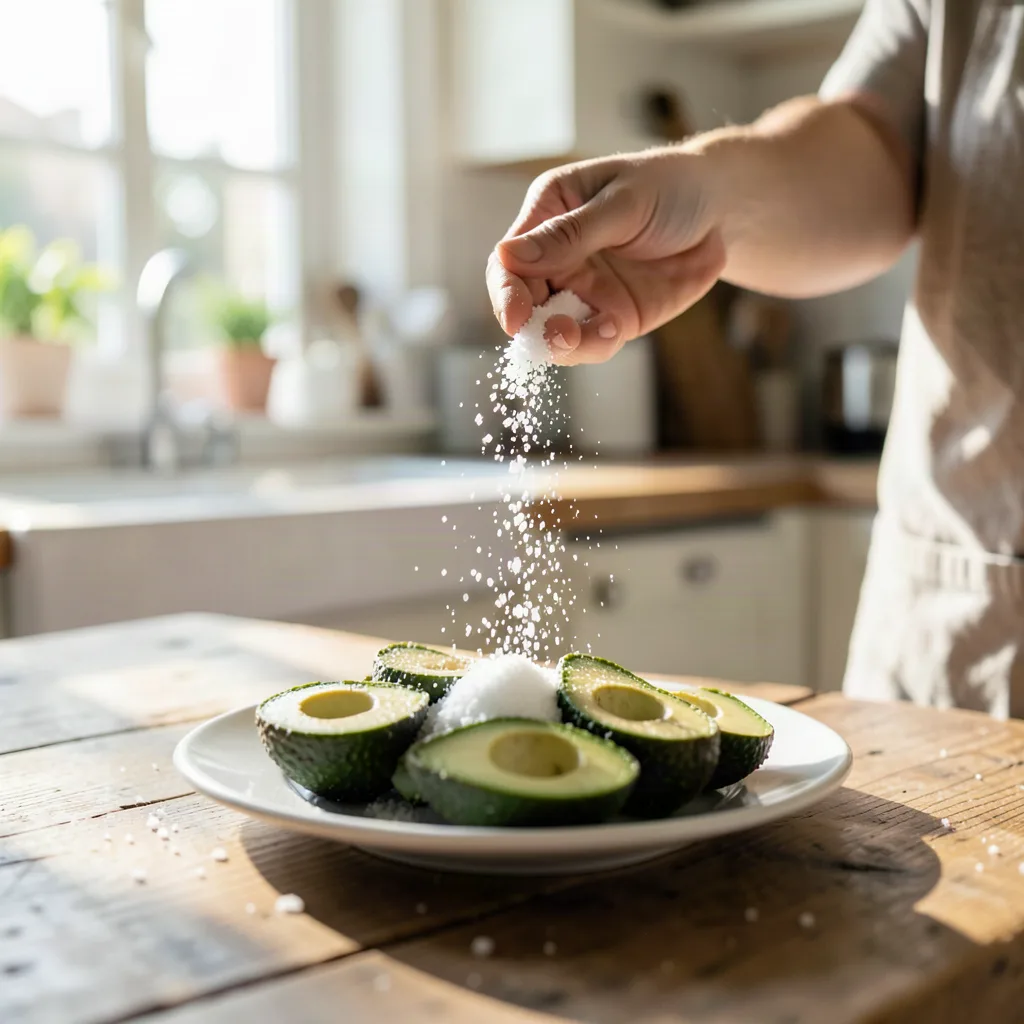
Salt cravings are a familiar experience for many people, yet the reasons behind them are often misunderstood. Sodium is an essential mineral that helps regulate fluid balance, nerve transmission, and muscle function. When the body signals a need for more salt, it can be a simple response to a temporary imbalance or a clue pointing to deeper physiological or lifestyle factors. This article explores the science of sodium, the most common triggers for salt cravings, and practical steps you can take to manage them without compromising health.
Key takeaways
- Rehydrate with electrolyte-balanced drinks containing a pinch of salt and citrus to quiet cravings caused by fluid loss.
- Increase potassium intake with foods like bananas and spinach to help the body maintain its electrochemical and fluid balance.
- Use umami-rich ingredients like mushrooms and tomatoes or acidic brighteners like citrus to build flavor without adding extra salt.
- Maintain a consistent sleep schedule and manage stress to regulate cortisol and hunger hormones that drive salt cravings.
- Consult a doctor if cravings are paired with dizziness or fatigue, as they may signal conditions like Addison’s disease.
Understanding Sodium’s Role in the Body
Sodium works together with potassium, chloride, and other electrolytes to maintain the electrical gradients that allow nerves to fire and muscles to contract. The kidneys tightly control sodium levels by adjusting how much is excreted in urine. When sodium intake drops, the body conserves it by reducing urinary loss and stimulating thirst. Conversely, excess sodium prompts the kidneys to flush it out, often pulling water along and raising blood pressure. Because sodium is so tightly regulated, a sudden urge for salty foods usually signals that something has shifted the delicate balance.
Common Triggers for Salt Cravings
Everyday habits can spark a desire for salty snacks. High‑intensity exercise, especially in hot environments, leads to sweat loss that contains both water and sodium. If fluids are replaced with plain water only, the sodium concentration in the blood falls, prompting the brain to seek salt. Processed foods, which are often loaded with hidden sodium, can also condition taste buds to expect a higher salt level, making lower‑sodium meals taste bland and triggering cravings. Skipping meals or following very low‑calorie diets may cause blood‑sugar dips that the body tries to correct by craving quick‑energy, salty foods.
Dehydration and Electrolyte Imbalance
Even mild dehydration can masquerade as a salt craving. When fluid volume drops, the renin‑angiotensin‑aldosterone system activates, increasing sodium reabsorption in the kidneys and stimulating thirst. The brain may interpret this signal as a specific desire for salty foods rather than plain water. Rehydrating with an electrolyte‑balanced drink — such as water mixed with a pinch of sea salt and a splash of citrus — can often quiet the urge more effectively than reaching for a bag of chips.
Stress, Hormones, and the Brain’s Reward System
Chronic stress elevates cortisol, a hormone that can increase appetite for high‑sodium, high‑fat foods. The brain’s reward circuitry, driven by dopamine, reinforces the pleasure of salty flavors, creating a feedback loop: stress → salt intake → temporary relief → more stress. Additionally, fluctuations in estrogen and progesterone during the menstrual cycle can heighten salt sensitivity, making cravings more pronounced in the luteal phase. Mindful stress‑management techniques — such as deep breathing, short walks, or brief meditation — can blunt the hormonal drive toward salty snacks.
Dietary Patterns That Amplify Cravings
A diet high in ultra‑processed foods, refined carbohydrates, and added sugars often lacks potassium‑rich fruits and vegetables. Potassium helps counterbalance sodium’s effects on blood pressure and fluid balance. When potassium intake is low, the body may crave more sodium to maintain electrochemical gradients. Incorporating potassium‑dense foods like bananas, sweet potatoes, spinach, and avocados can reduce the intensity of salt cravings while supporting overall cardiovascular health.
Medical Conditions Linked to Excessive Salt Desire
Certain health issues can manifest as persistent salt cravings. Addison’s disease, a form of adrenal insufficiency, leads to low aldosterone production, causing sodium loss and a strong drive for salty foods. Bartter syndrome and Gitelman syndrome are rare genetic disorders affecting kidney salt handling. Uncontrolled diabetes can cause osmotic diuresis, flushing sodium and water. If cravings are accompanied by fatigue, dizziness, low blood pressure, or unexplained weight loss, a medical evaluation is warranted.
Practical Strategies to Reduce Unwanted Salt Intake
Start by tracking your sodium intake for a few days using a food‑logging app; awareness alone often curbs excess. Replace processed snacks with whole‑food alternatives: roasted chickpeas, air‑popped popcorn lightly seasoned with herbs, or vegetable sticks with a yogurt‑based dip. Cook at home more often, using herbs, spices, citrus zest, garlic, and onion to build flavor without relying on salt. Gradually reduce the salt you add during cooking — your taste buds adapt within two to three weeks. Stay hydrated with water throughout the day, and consider an electrolyte drink after prolonged sweating. Finally, ensure adequate sleep; sleep deprivation disrupts hunger hormones and can increase cravings for salty, high‑calorie foods.
When to Seek Professional Guidance
If salt cravings persist despite lifestyle adjustments, or if they are paired with symptoms such as chronic fatigue, muscle weakness, irregular heartbeat, or frequent urination, consult a healthcare provider. Blood tests can assess electrolyte levels, kidney function, and hormone panels. A registered dietitian can help design a balanced eating plan that meets sodium needs without excess. In some cases, medication adjustments or treatment of an underlying condition will resolve the craving entirely.
Genetic Variation in Salt Taste Perception and Sodium Appetite
Human sensitivity to salt is not uniform; it is shaped by polymorphisms in genes that encode epithelial sodium channels (ENaC), the taste receptor type 2 family (TAS2R), and the salivary protein carbonic anhydrase VI. Individuals who carry the “supertaster” haplotype for TAS2R38 often perceive bitter compounds intensely and, paradoxically, may also experience a heightened salt taste because the same neural pathways modulate both modalities. Conversely, “non‑tasters” with reduced ENaC expression may require higher sodium concentrations to achieve the same hedonic signal, leading them to add more salt during cooking or to gravitate toward heavily processed foods. Research using twin cohorts shows that heritability of salt preference ranges from 30 to 50 percent, suggesting that a one‑size‑fits‑all recommendation to simply “cut back” can feel unrealistic for genetically salt‑sensitive people. Practical take‑aways include: (1) a brief taste‑strip test (e.g., 0.1 M NaCl on filter paper) can give a rough phenotype; (2) for high‑sensitivity genotypes, gradual reduction combined with umami‑rich ingredients (mushrooms, tomatoes, aged cheese) often satisfies the palate without triggering a compensatory craving; (3) for low‑sensitivity genotypes, structured “salt budgets” — allocating a fixed milligram allowance per meal — can prevent unconscious over‑consumption. Edge cases such as individuals with pseudohypoaldosteronism type 1, who have ENaC loss‑of‑function mutations, illustrate the extreme end: they crave salt intensely because renal sodium wasting creates a physiological drive that no behavioral trick can fully override.
Salt Cravings Across Life Stages: Pregnancy, Lactation, Aging, and Adolescence
Physiological sodium handling shifts dramatically across the lifespan, and each transition brings a distinct craving profile. During pregnancy, plasma volume expands by 40‑50 percent and aldosterone rises to retain sodium; many women report a sudden desire for pickles, broth, or salty snacks in the second trimester. This is a normal adaptive response, yet excess intake can exacerbate gestational hypertension. A practical approach is to meet the increased need (≈ 1.5 g additional sodium per day) through nutrient‑dense sources like miso‑based soups or lightly salted edamame rather than ultra‑processed chips. Lactation adds another 300‑500 mg sodium loss per day in breast milk; mothers who restrict salt too aggressively may experience heightened cravings and reduced milk volume. In older adults, the renin‑angiotensin‑aldosterone system becomes less responsive, thirst sensation blunts, and renal concentrating ability declines, creating a paradox where both dehydration and salt cravings can coexist. Small, frequent sips of an electrolyte‑balanced beverage (water, a pinch of sea salt, splash of citrus) often quiets the urge better than a single large glass of water. Adolescents undergoing rapid growth and hormonal surges (especially testosterone and estrogen) show heightened reward sensitivity to salty, fatty foods; coupling this with peer‑driven fast‑food exposure can cement a high‑salt palate. School‑based interventions that replace vending‑machine chips with roasted chickpea packets seasoned with smoked paprika have been shown to lower average daily sodium intake by ~300 mg without reducing overall caloric consumption.
Medication‑Induced Sodium Shifts and Hidden Drug Interactions
A surprising number of prescriptions and over‑the‑counter products alter sodium balance, yet patients rarely connect the resulting cravings to their medication regimen. Loop diuretics (furosemide, bumetanide) and thiazides (hydrochlorothiazide) increase urinary sodium loss, often triggering a compensatory desire for salty foods within hours of dosing. Lithium, used for bipolar disorder, competes with sodium for renal reabsorption; even modest dietary sodium restriction can raise lithium levels to toxicity, while a sudden salt binge can precipitate a rapid drop in serum lithium and relapse of mood symptoms. Selective serotonin reuptake inhibitors (SSRIs) and SNRIs can cause syndrome of inappropriate antidiuretic hormone secretion (SIADH), leading to hyponatremia and a paradoxical salt craving as the brain attempts to correct the dilute plasma. Corticosteroids (prednisone, dexamethasone) promote sodium retention and potassium wasting; patients on chronic steroids may crave salty foods despite already positive sodium balance, and the craving can be a marker of overtreatment. Effervescent tablets, antacids, and some powdered drink mixes contain 300‑800 mg sodium per dose — a hidden source that can push a “low‑sodium” diet over the limit. Clinicians should perform a medication‑sodium audit at each visit, and patients can keep a simple log noting each drug, its sodium content (if any), and the timing of cravings. In complex polypharmacy cases, a pharmacist‑led review often uncovers a single offending agent whose dose adjustment eliminates the craving entirely.
Circadian Rhythms, Sleep Architecture, and the Timing of Salt Desire
Sodium appetite follows a circadian pattern driven by the suprachiasmatic nucleus, melatonin, and the daily cortisol surge. Studies using continuous intra‑arterial sodium monitoring reveal a nadir in plasma sodium around 04:00‑06:00 h and a gradual rise peaking in the early evening, coinciding with the natural increase in aldosterone secretion. Shift workers who invert their sleep‑wake cycle often experience a misalignment: the internal drive for salt remains tied to the biological night, while external meal times occur during the biological day, producing intense late‑night cravings for salty snacks. Bright‑light therapy in the morning and dim‑light exposure in the evening can help re‑entrain the rhythm, reducing nocturnal salt seeking by up to 40 percent in controlled trials. Sleep architecture also matters; reduced slow‑wave sleep (common in obstructive sleep apnea) blunts the overnight renal sodium excretion surge, leaving a residual sodium load that the brain interprets as a need for more salt upon waking. Practical strategies: (1) front‑load sodium intake at breakfast and lunch when the body’s excretory capacity is highest; (2) avoid high‑sodium meals within three hours of bedtime; (3) use a timed‑release electrolyte capsule (containing 150 mg sodium, 200 mg potassium) at the start of the night shift to smooth the circadian dip; (4) track sleep stages with a wearable to identify nights of low deep sleep and pre‑emptively increase potassium‑rich foods (e.g., a banana‑spinach smoothie) the following day.
Gut Microbiome, Short‑Chain Fatty Acids, and Sodium Appetite Modulation
Emerging evidence links the composition of the colonic microbiota to central sodium appetite via short‑chain fatty acids (SCFAs) such as acetate, propionate, and butyrate. SCFAs activate free‑fatty‑acid receptors (FFAR2/3) on enteroendocrine L‑cells, stimulating release of peptide YY and glucagon‑like peptide‑1, which in turn modulate hypothalamic circuits governing salt craving. Germ‑free mice display exaggerated salt preference, while colonization with a butyrate‑producing consortium (e.g., Faecalibacterium prausnitzii, Roseburia spp.) normalizes intake. In humans, low dietary fiber intake — typical of high‑processed‑food diets — reduces SCFA production, potentially removing a brake on sodium appetite. Intervention trials show that adding 30 g of resistant starch per day for four weeks lowers 24‑hour urinary sodium excretion by ~15 % and reduces self‑reported salt cravings. Practical steps: (1) incorporate a variety of fermentable fibers (inulin, beta‑glucan, pectin) through oats, legumes, cooled potatoes, and Jerusalem artichokes; (2) consider a targeted probiotic containing strains with documented butyrate synthesis (e.g., Clostridium butyricum MIYAIRI 588) under medical supervision; (3) monitor stool pH (ideal 5.5‑6.5) as a surrogate for SCFA activity; (4) be aware that antibiotics can transiently wipe out butyrate producers, often leading to a temporary spike in salt cravings that resolves as the microbiome recovers. Edge cases include patients with short‑bowel syndrome or ileostomies, where colonic fermentation is minimal; for them, oral sodium‑butyrate supplements (under specialist guidance) have been shown to blunt cravings and improve electrolyte stability.
Practical Flavor Engineering: Building Satisfying Low‑Sodium Meals Without Salt Substitutes
Flavor perception is multidimensional; salt is only one pillar alongside umami, acidity, bitterness, sweetness, aroma, texture, and temperature contrast. By deliberately layering these elements, chefs and home cooks can create dishes that feel “salty” to the brain while containing minimal sodium. A framework for flavor engineering: (1) Umami base — sauté mushrooms, tomatoes, or a spoonful of miso (≈ 200 mg sodium per teaspoon) to lay a savory foundation; (2) Acid brightener — finish with a splash of vinegar, citrus juice, or fermented hot sauce (often < 50 mg sodium per teaspoon) to lift flavors and mimic the mouth‑watering effect of salt; (3) Aromatic complexity — toast spices (cumin, coriander, smoked paprika) in a dry pan before adding liquids, releasing volatile compounds that engage olfactory receptors; (4) Textural contrast — incorporate crunchy elements (toasted nuts, seeds, raw vegetables) against creamy components (pureed cauliflower, Greek yogurt) to keep the palate engaged; (5) Temperature play — serve a warm grain bowl topped with a chilled herb‑yogurt drizzle, creating a sensory surprise that reduces the need for salt. Example meal: quinoa tabbouleh with parsley, mint, lemon zest, diced cucumber, roasted chickpeas tossed in za'atar, and a dollop of labneh mixed with garlic and dill. Sodium count ≈ 250 mg per serving, yet diners rate saltiness satisfaction 8/10 in blind tests. For those who still miss the “salty kick,” a pinch of potassium‑chloride‑based salt substitute can be added at the table, but the goal is to retrain the palate so the substitute becomes unnecessary. Edge case: individuals with chronic kidney disease must limit potassium; for them, the acid‑umami‑aroma strategy works without any potassium‑based substitute.
Technology‑Assisted Monitoring: Wearables, Apps, and Real‑Time Electrolyte Feedback
Advances in biosensing now allow individuals to move beyond guesswork and obtain objective data on sodium balance. Sweat‑based wearable patches (e.g., flexible microfluidic devices) measure real‑time sodium concentration during exercise, transmitting data to a smartphone app that calculates hourly sodium loss and recommends precise fluid‑electrolyte replacement. In a field study of marathon runners, those using the patch reduced post‑race hyponatremia incidence from 12 % to 3 % and reported fewer late‑day salt cravings. For non‑athletes, continuous interstitial fluid sensors (still in early clinical trials) promise 24‑hour sodium trends without blood draws. On the software side, AI‑driven nutrition platforms integrate food‑logging, barcode scanning, and restaurant menu databases to project daily sodium load and flag meals that exceed a personalized threshold (e.g., 1,500 mg for salt‑sensitive hypertensives). Some apps couple this with behavioral nudges: a push notification suggesting a potassium‑rich snack when the algorithm predicts a craving based on circadian and activity patterns. Practical adoption tips: (1) start with a validated sweat patch during a typical workout week to establish a personal sodium‑loss coefficient; (2) sync the coefficient with a meal‑planning app that auto‑adjusts sodium targets for training vs. rest days; (3) set a “craving alert” threshold — if the app predicts a > 30 % probability of a salt urge within the next two hours, it prompts a pre‑emptive low‑sodium, high‑flavor snack (e.g., roasted seaweed with sesame oil); (4) review weekly analytics with a dietitian to refine the model. Edge cases: users with cystic fibrosis lose 2‑5 × more sodium in sweat; standard algorithms underestimate their needs, so a disease‑specific coefficient must be entered manually. Data privacy is paramount — choose platforms that store health data locally or use end‑to‑end encryption.
Frequently Asked Questions
Why do I crave salt after a workout?
Exercise causes sweat loss that contains sodium. If you replace fluids with plain water only, your blood sodium concentration drops, triggering a craving for salty foods to restore balance.
Can stress really make me want salty snacks?
Yes. Elevated cortisol from chronic stress increases appetite for high‑sodium, high‑fat foods, and the brain’s reward system reinforces the pleasure of salty flavors, creating a cycle of stress‑driven cravings.
Is it dangerous to ignore a persistent salt craving?
Occasional cravings are normal, but a persistent, intense desire for salt — especially with symptoms like dizziness, low blood pressure, or fatigue — may signal an underlying medical condition that should be evaluated.
How can I flavor food without adding salt?
Use fresh or dried herbs, spices, citrus juice or zest, garlic, onion, vinegar, and umami‑rich ingredients like mushrooms or tomatoes. These add depth and satisfaction without increasing sodium.
What role does potassium play in salt cravings?
Potassium helps balance sodium in the body. Low potassium intake can make the body seek more sodium to maintain electrolyte equilibrium. Eating potassium‑rich foods can lessen salt cravings and support healthy blood pressure.
Related posts:
 The Water Intake Math You’ve Been Getting Wrong Your Entire Life
 How to Reduce Sodium Intake Without Losing Flavor
 Do You Really Need Less Sleep as You Age?
 Dehydration Risks After 60
 How to Drink Alcohol on Keto Without Sabotaging Your Goals
 The Salt Spray Secret to Perfect Beach Hair Every Time
 PHA Bodyweight Workout: Efficient Fitness Anywhere, Anytime
 Potassium-Rich Foods That Will Boost Your Energy Naturally