The Importance of Zinc for Overall Health and Wellbeing
In our quest for optimal health and wellness, we often focus on the big players – vitamins, protein, and essential fatty acids. But there’s an unsung hero that deserves more attention: zinc. This trace mineral plays a crucial role in numerous bodily functions and might just be the missing link in your wellness routine. Let’s explore how zinc can enhance your health and wellbeing with compassion and care for your body.
Understanding Zinc’s Role in the Body
Zinc is an essential mineral that our bodies can’t produce or store. We need to consume it regularly through our diet or supplements. It’s involved in over 300 enzymatic reactions in the body, making it a true multitasker for our health. From supporting our immune system to aiding in DNA synthesis, zinc’s importance cannot be overstated.
Some key functions of zinc include:
- Boosting immune function
- Promoting wound healing
- Supporting protein synthesis
- Aiding in DNA formation
- Enhancing taste and smell
Signs You Might Need More Zinc
Our bodies have a wonderful way of communicating their needs. If you’re experiencing any of the following symptoms, it might be a gentle reminder from your body that it needs more zinc:
- Frequent colds or infections
- Slow wound healing
- Loss of taste or smell
- Hair loss
- Skin issues like acne or rashes
- Decreased appetite
Remember, these symptoms can be related to various health issues, so it’s always best to consult with a healthcare professional for proper diagnosis and treatment.
Incorporating Zinc-Rich Foods into Your Diet
One of the most nourishing ways to increase your zinc intake is through your diet. Nature provides us with an abundance of zinc-rich foods that can easily be incorporated into our daily meals. Here are some delicious options:
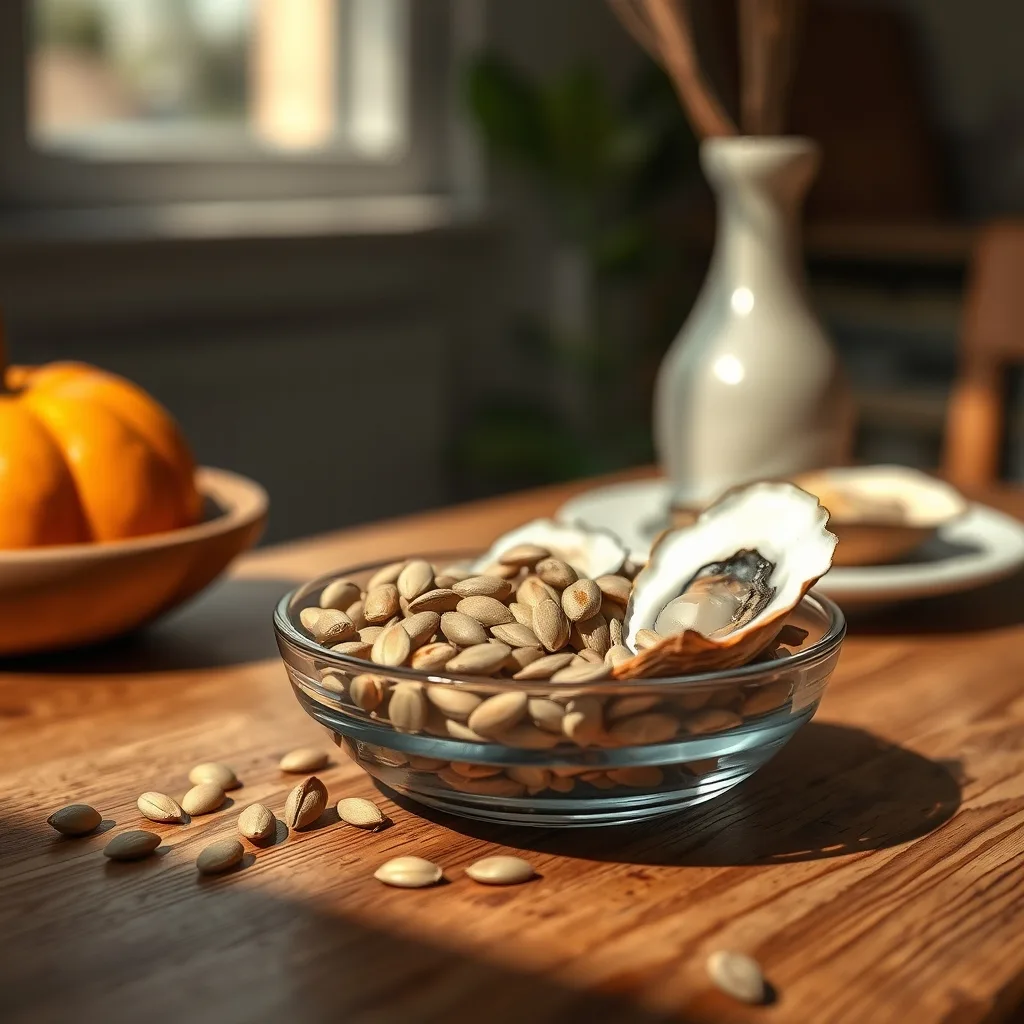
- Oysters – the highest natural source of zinc
- Beef and lamb
- Pumpkin seeds
- Cashews and almonds
- Chickpeas and lentils
- Whole grains
- Dark chocolate
By mindfully including these foods in your diet, you’re not just nourishing your body with zinc, but also providing it with a range of other essential nutrients. Remember, balance and variety are key to a healthy diet.
The Benefits of Zinc for Mental and Emotional Wellbeing
While we often think of zinc in terms of physical health, its benefits extend to our mental and emotional wellbeing too. Research has shown that zinc plays a role in regulating the nervous system and may help in managing symptoms of depression and anxiety.
Zinc is involved in the production and regulation of neurotransmitters, including serotonin – often referred to as the “happy hormone”. By ensuring adequate zinc levels, we may be supporting our brain’s ability to maintain emotional balance and resilience.
Moreover, zinc’s role in cognitive function cannot be overlooked. It’s essential for memory formation and learning. By nurturing our zinc levels, we’re not just caring for our bodies, but also our minds.
Zinc and Immune Support: A Compassionate Approach to Self-Care
In these times when immune health is at the forefront of our minds, zinc offers a gentle yet powerful way to support our body’s defense system. Rather than viewing it as a “boost” to our immune system, we can see zinc as a nurturing friend to our body’s natural protective mechanisms.
Zinc helps in the development and function of immune cells. It acts like a coordinator, ensuring that our immune responses are balanced and effective. By maintaining adequate zinc levels, we’re providing our bodies with the tools they need to respond to challenges with resilience and grace.
Remember, supporting our immune system is not about pushing it to work harder, but about creating an environment where it can function optimally. Zinc, along with a balanced diet, regular exercise, and good sleep, forms part of this nurturing approach to immune health.
FAQ: Common Questions About Zinc and Wellness
Q1: How much zinc do I need daily?
A1: The recommended daily intake for adults is 8-11 mg for women and 11-14 mg for men. However, individual needs may vary based on factors like age, pregnancy, and overall health.
Q2: Can I take too much zinc?
A2: Yes, excessive zinc intake can lead to adverse effects. It’s best to stay within the recommended daily allowance unless advised otherwise by a healthcare professional.
Q3: Are there any side effects of zinc supplements?
A3: Some people may experience nausea, vomiting, or headaches from zinc supplements. Always start with a low dose and consult with a healthcare provider.
Q4: Can zinc help with acne?
A4: Some studies suggest that zinc may help reduce acne due to its anti-inflammatory properties. However, more research is needed in this area.
Q5: Is it better to get zinc from food or supplements?
A5: Whenever possible, it’s best to obtain nutrients from whole foods. However, in cases of deficiency or increased needs, supplements can be beneficial under professional guidance.
In conclusion, zinc is a vital mineral that plays numerous roles in our body, supporting our physical, mental, and emotional wellbeing. By mindfully incorporating zinc-rich foods into our diet and considering supplementation when necessary, we can nurture our bodies and support our overall wellness. Remember, the journey to health is not about perfection, but about listening to our bodies and responding with compassion and care. Zinc might just be the missing link in your wellness routine, offering a gentle yet powerful way to support your body’s natural balance and vitality.
Related posts:
 When to Update Your Supplements
 Beauty Pie Skin Supplements Guide
 Hair Supplement Guide
 Boost Your Immune System with These Tips from Nuun
 Are Pre-Workout Supplements Safe?
 Immune System Boosting Tips
 Biossance Zinc Squalene Sheer Mineral Sunscreen: Protecting Your Skin with Clean Ingredients
 Best Sources of Zinc in Your Diet