

As the temperature drops and the frost begins to settle on the windows, a common dread begins to permeate the morning routines of many women: the dreaded winter hair cycle. For those with curly, wavy, or coily textures, the transition from autumn to winter isn’t just about swapping linen for wool; it is a battle against humidity shifts, static, and extreme dryness. Winter air is notoriously devoid of moisture, acting like a sponge that sucks the hydration directly out of your hair shaft, leading to frizz, breakage, and a loss of definition.
However, winter hair care doesn’t have to be a seasonal nightmare. With a strategic approach to moisture retention, product layering, and environmental awareness, you can maintain bouncy, healthy curls even in sub-zero temperatures. This guide provides a comprehensive blueprint for navigating the winter months with confidence, ensuring your curls remain vibrant and defined regardless of the weather outside.
Understanding the Science of Winter Curls
To solve the problem, we must first understand the enemy. Hair is a porous structure. When the air is dry, the moisture inside your hair cuticle seeks to escape into the atmosphere through a process called evaporation. This leaves the hair shaft brittle and prone to snapping. Furthermore, when the air is extremely dry, the hair cuticle often lifts slightly in an attempt to find moisture, resulting in that characteristic “frizzy” look where individual strands fly away from the main curl pattern.
Another factor is the temperature fluctuation. Moving from a freezing outdoor environment to a heated indoor environment causes rapid expansion and contraction of the hair shaft. This thermal shock can weaken the protein structure of the hair over time. Understanding that your hair is essentially “thirsty” during the winter is the first step toward choosing the right ingredients and techniques to combat dryness.
The Foundation: Deep Hydration and Moisture Loading
In the summer, your focus might be on lightweight moisture to prevent heaviness. In the winter, your priority shifts to intense, heavy-duty hydration. This is the time to introduce weekly deep conditioning treatments that go beyond your standard conditioner.
Actionable Step: The Weekly Intensive. Once a week, dedicate thirty minutes to a deep conditioning mask. Look for ingredients like shea butter, coconut oil, argan oil, or avocado oil. These are emollients that coat the hair and seal in moisture. For an extra boost, apply your mask to damp hair, cover it with a warm towel or a shower cap, and let the heat from your head help the cuticle absorb the nutrients.
When choosing products, avoid those with high concentrations of drying alcohols (such as isopropyl alcohol), which are often found in quick-drying mousses or hairsprays. Instead, look for “fatty alcohols” like cetyl or stearyl alcohol, which actually help soften and condition the hair.
Mastering the Art of Product Layering (LOC/LCO Methods)
One of the most effective ways to combat winter dryness is through the method of layering products. This creates a barrier that prevents moisture from escaping. There are two primary variations: the LOC method (Liquid, Oil, Cream) and the LCO method (Liquid, Cream, Oil).
The LOC Method:
1. Liquid: Start with a water-based leave-in conditioner or a liquid curl refresher to saturate the hair.
2. Oil: Apply a natural oil (like jojoba or almond oil) to seal that liquid into the hair shaft.
3. Cream: Finish with a styling cream to define the curl pattern and provide a final layer of protection.
The LCO Method: This is often better for high-porosity hair that absorbs moisture quickly but loses it just as fast. You apply the liquid, then the cream to add moisture, and finally the oil to lock everything in. Experiment to see which method your specific curl pattern responds to best. The goal is to create a “seal” that the winter air cannot penetrate.
Protecting Your Curls While You Sleep
You spend roughly one-third of your life sleeping, and for curly-haired individuals, this is a high-risk period for frizz and breakage. Cotton pillowcases are the enemy of curls; the fibers are abrasive and highly absorbent, meaning they suck the moisture out of your hair and create friction that disrupts your curl pattern.
The Silk/Satin Solution: Switching to a silk or satin pillowcase is perhaps the single most impactful change you can make. Silk provides a smooth surface that allows your hair to glide rather than rub, preserving your curl definition overnight. If a silk pillowcase isn’t an option, a satin bonnet is an excellent alternative that keeps your hair contained and protected.
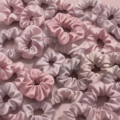
The Pineapple Method: To prevent flattening your curls, try the “pineapple” technique. Gather your hair into a very loose, high ponytail at the top of your head using a silk scrunchie. This keeps you from sleeping directly on your curls and prevents the weight of your head from crushing the pattern. This method works exceptionally well for long, curly hair.
Managing Static and Environmental Damage
Static electricity is a major winter culprit. As dry air moves across your hair, it causes electrons to build up, leading to hair that stands on end. To manage this, you need to introduce anti-static measures into your routine.
Quick Fixes for Static: If you are out and about and notice frizz, do not reach for a brush. Instead, use a tiny amount of hair oil or even a light mist of water to settle the strands. For a more professional approach, carry a travel-sized anti-static spray or a small wooden comb. Wooden combs are much gentler than plastic ones; plastic creates more friction and static, whereas wood helps neutralize the charge.
The Importance of Scarf and Hat Care: While wearing hats is essential for warmth, many winter hats are made of wool or acrylic, which are notorious for causing friction and static. To protect your curls, wear a silk or satin liner inside your winter hat. This allows you to stay warm without sacrificing your hair’s integrity. Additionally, try to avoid frequent hat changes that involve pulling hair in and out of tight openings, which can lead to breakage at the hairline.
Temperature Control: Heat Styling and Showering
The extreme temperature shifts between the cold outdoors and the heated indoors can be brutal on your hair. Furthermore, the water temperature we use in the shower can play a significant role in hair health.
Avoid Scalding Water: It is tempting to take a steaming hot shower when it is freezing outside, but extremely hot water strips the natural oils from your scalp and hair shaft, exacerbating dryness. Aim for lukewarm water for washing and use a cool rinse at the end to help seal the cuticle.
Minimize Heat Styling: Winter is not the season for high-heat blowouts or flat irons. The combination of existing dryness and additional heat is a recipe for split ends. If you must use heat, always use a heat protectant spray and keep the temperature setting as low as possible. Whenever possible, opt for air-drying or using a diffuser on a low, cool setting to distribute heat more evenly and gently.p
The Nutrition Connection: Hydrating from Within
While topical treatments are vital, the health of your hair begins from the inside out. Hair is composed of protein (keratin) and requires specific nutrients to grow strong and retain moisture. In the winter, when we often consume more heavy, salty foods, our hydration levels can actually drop if we aren’t careful.
Essential Nutrients for Curls:
– Omega-3 Fatty Acids: Found in salmon, walnuts, and flaxseeds, these help provide the oils that keep your scalp and hair hydrated.
– Biotin and B-Vitamins: These support the keratin production necessary for hair strength.
– Iron and Zinc: Deficiencies in these minerals are often linked to hair thinning and brittleness.
– Water: This cannot be overstated. Dehydration shows up in your hair almost as quickly as it shows up in your skin. Ensure you are drinking adequate water throughout the day, even if you don’t feel “thirsty” due to the cold.p
The Porosity Factor: Adjusting for Seasonal Absorption
While the general advice for winter is “more moisture,” the effectiveness of your routine depends heavily on your hair’s porosity—the ability of your hair to absorb and retain moisture. This characteristic becomes even more critical when the ambient humidity drops. Understanding your porosity allows you to tailor your winter strategy so you aren’t just layering products that sit on the surface, but actually nourishing the cortex.
Low Porosity Curls: If your hair takes a long time to get wet in the shower and products tend to sit on top of the strand, you have low porosity. In winter, these curls often suffer from “product buildup” rather than just dryness. Because the cuticle is tightly packed, winter’s cold air can make it even harder for moisture to penetrate. To combat this, focus on using warm water during your wash cycle to gently lift the cuticle and use lightweight, penetrating oils like sweet almond or grapeseed oil. Avoid heavy butters like shea butter as a primary layer, as they may lead to a waxy, coated feeling without actually hydrating the hair core.
High Porosity Curls: If your hair absorbs water instantly but dries very quickly, you have high porosity. For you, winter is a crisis of moisture loss. Your cuticles are naturally more open, meaning the dry winter air can strip hydration almost immediately. Your strategy should focus on “sealing” heavily. Use heavier creams and thicker oils (like castor or avocado oil) to create a physical barrier. For high porosity hair, the LCO (Liquid, Cream, Oil) method is almost always superior to LOC, as the cream acts as a necessary intermediate buffer before the heavy oil sealant is applied.
Decoding the Ingredient Label: Winter-Specific Additives
When the seasons change, you should audit your bathroom cabinet. The ingredients that worked for your summer curls might leave you feeling parched in January. To truly master winter hair care, you need to look for specific humectants and emollients that behave differently in low-humidity environments.
The Humectant Paradox: Humectants are ingredients like glycerin, honey, and aloe vera that pull moisture from the air into your hair. In a humid summer, they work beautifully. However, in extremely dry winter air, glycerin can actually do the opposite: it may pull moisture *out* of your hair shaft and into the dry air, potentially making frizz worse. If you find that glycerin-heavy products are making your hair feel like straw in winter, look for products that use sugar-based humectants or agave nectar, which are often more stable in dry conditions.
Protective Proteins: Winter is a great time to incorporate hydrolyzed proteins (like silk or wheat protein) into your routine. These are smaller molecules that can enter the hair shaft to help repair the micro-tears caused by thermal shock and environmental stress. However, use them with caution; too much protein can lead to “protein overload,” making hair feel stiff and brittle. Balance your protein treatments with heavy moisture to maintain elasticity.
Advanced Styling: The “Refresh” Routine for Mid-Week Survival
In the summer, a quick spritz of water might be enough to revive your curls on day three. In winter, a simple water mist is often insufficient and can actually trigger more frizz if the water evaporates too quickly. You need a more robust “refresh” strategy to bridge the gap between full wash days.
The Steam Refresh: Instead of a traditional spray bottle, try using the steam from your shower to your advantage. After showering, but before you exit the bathroom, use a leave-in conditioner or a curl cream on your slightly damp (not soaking wet) hair. The ambient humidity in the bathroom provides the perfect environment for the product to bond with the hair without the shock of cold water.
The Micro-Mist Technique: If you aren’t in a position to do a full refresh, use a fine-mist spray bottle containing a mixture of distilled water and a tiny amount of leave-in conditioner. This provides both the moisture (water) and the sealant (conditioner) simultaneously. Focus on the mid-lengths to ends, avoiding the roots to prevent flatness. This “targeted hydration” prevents the hair from becoming waterlogged while ensuring the most vulnerable parts of the curl pattern are protected from the dry air.
The Scalp-Hair Connection: Winter Dandruff vs. Dry Scalp
A common mistake is treating the hair and the scalp as separate entities. In winter, many people struggle with a dry, itchy scalp, which is often misdiagnosed as dandruff. While dandruff is caused by an overgrowth of yeast, a dry scalp is a lack of sebum and moisture due to the cold air and indoor heating.
Scalp Hydration Rituals: To prevent the itching and flaking that often accompanies winter curls, incorporate a weekly scalp oil treatment. Using a dropper, apply a lightweight oil (like jojoba, which mimics the scalp’s natural sebum) directly to the skin of the scalp. Massage it in gently to stimulate blood flow, which promotes healthy hair growth, and leave it for 20 minutes before your regular shampoo routine.
Gentle Exfoliation: While you want to hydrate, you also want to prevent the buildup of dead skin cells that can occur when the scalp dries out. Use a silicone scalp massager during your shampooing process. This provides mechanical exfoliation without the harshness of salt or sugar scrubs, which can be too abrasive for a sensitive, winter-stressed scalp. This ensures that your scalp remains a healthy environment for hair to grow from, preventing the “clogged” feeling that can sometimes occur if you are over-applying heavy winter oils.
Winter Wardrobe Integration: Protecting Curls from Accessories
Your winter fashion choices can inadvertently become a source of mechanical damage to your curls. The way you wear your hair in relation to your clothing can determine whether you have a “good hair day” or a frizz-fest.
The Scarf Strategy: Large, chunky knit scarves are a staple of winter, but the constant rubbing of the wool against your hair can cause immediate breakage and frizz. If you are wearing a scarf, try to style your hair in a way that keeps the ends tucked away—such as a low braid or a loose bun. Alternatively, look for scarves with a satin or silk lining on the interior edge that will make contact with your hair.
Managing the “Hat Hair” Dilemma: If you must wear a beanie or a knit hat, the goal is to minimize the friction of the fabric against the hair cuticle. As mentioned previously, a silk liner is the gold standard. However, an additional tip is to avoid wearing your hat over hair that is even slightly damp. Damp hair is significantly more fragile than dry hair; the combination of moisture and the weight/friction of a hat can lead to significant structural damage and uneven drying patterns that result in “crunchy” spots.
Seasonal Transitioning: Moving from Autumn to Deep Winter
The transition period is often when most hair damage occurs because users try to apply their summer routine to autumn hair, or their autumn routine to deep winter hair. You must actively monitor your hair’s “elasticity test” to know when to switch gears.
The Elasticity Test: Take a single strand of hair from your brush and pull it gently. If it stretches and returns to its original shape, your moisture-to-protein ratio is balanced. If it snaps immediately, you need more moisture (emollients). If it stretches and stays stretched without returning, you need more protein (strengtheners). Use this test as a monthly guide to adjust your product usage as the temperature drops.
Gradual Adaptation: Do not wait until your hair is visibly breaking to change your routine. As soon as you notice the first signs of seasonal dryness—such as a slight increase in static or a decrease in curl bounce—begin increasing the frequency of your deep conditioning treatments. By proactively increasing your moisture load before the peak of winter, you create a reservoir of hydration within the hair shaft that can better withstand the harshest months.
Winter Hair Care FAQ
1. Why does my hair feel much drier in winter than in summer?
The primary reason is low humidity. In winter, the air holds much less moisture. This dry air pulls moisture from your hair through evaporation. Additionally, indoor heating systems further dehydrate the air, creating a double-hit of dryness for your curls.
2. Can I still use sulfate-based shampoos in the winter?
While you can, it is generally not recommended for curly hair during the winter. Sulfates are harsh detergents designed to strip away oil, which can be too aggressive when your hair is already struggling with dryness. Look for “sulfate-free” options that are specifically formulated for moisture and curl definition.
3. How often should I perform a deep conditioning treatment?
For most curly hair types, once a week is ideal. However, if your hair is exceptionally thick, porous, or damaged, you might benefit from twice-weekly treatments. Observe how your hair responds; if it feels heavy or greasy, you may be overdoing it. If it still feels brittle, you may need more frequent sessions.
4. My hair is frizzy even after using oil. What am I doing wrong?
Frizz can occur if you are applying oil to dry hair instead of damp hair, or if you aren’t using enough moisture (water/conditioner) before the oil. Remember, oil is a sealant, not a moisturizer. It seals in the moisture you have already applied. If the hair is already dry, oil will just sit on top and make it look greasy without fixing the dryness.
5. Are silk pillowcases really worth the investment?
Yes. For anyone with curly or wavy hair, the reduction in friction and moisture loss provided by silk or satin is significant. It helps maintain your curl pattern overnight, meaning you spend less time re-styling your hair in the morning and experience less breakage over time.
Related posts:
 Removing Scalp Buildup
 Clean Hair Care Solutions for Black Women
 Curl Comeback: The Reset Spray That Brings Day-Old Hair Back to Life
 What “Low Porosity” Means for Curly Hair—and How to Care for It
 The Bowl Method for Curly Hair
 Understanding Different Types of Frizz
 The Return of Silk Scrunchies
 Kevin Murphy’s Curl Secrets