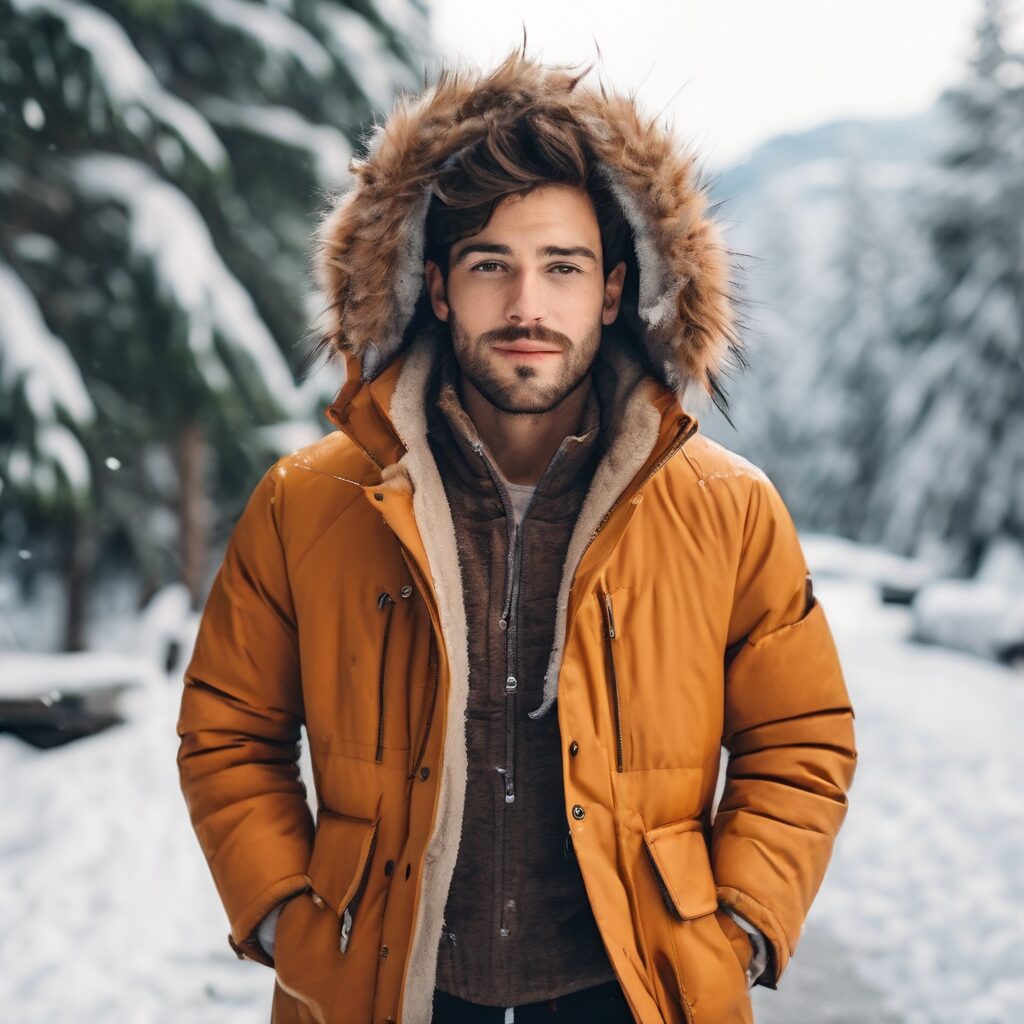
As the winter season approaches, it’s essential to stay warm while keeping up with the latest fashion trends. This year, winter jackets are not just about functionality but also about making a style statement. In this article, we will explore the top winter jacket trends that you need to know to stay both warm and stylish.
Key takeaways
- Prioritize puffer jackets and parkas for maximum warmth in harsh, cold conditions.
- Choose faux fur or teddy bear coats for a cozy, luxurious aesthetic.
- Look for leather jackets with shearling or quilting to ensure they provide adequate winter insulation.
- Use capes and ponchos as versatile layering pieces to add sophistication to your winter outfits.
- Select a jacket based on your climate, intended activities, and personal style preferences.
1. Oversized Puffer Jackets
One of the biggest trends this winter is the oversized puffer jacket. These jackets are not only incredibly warm but also add a fashionable edge to any outfit. With bold colors and unique designs, oversized puffer jackets are a must-have for anyone looking to make a statement this winter.
2. Faux Fur Coats
Faux fur coats are making a comeback this season. These luxurious jackets offer warmth and a touch of elegance. Available in various colors and patterns, faux fur coats can elevate any winter look. Pair them with jeans for a casual day out or with a dress for a night on the town.
3. Teddy Bear Coats
Teddy bear coats have been popular for a few seasons now, and they are not going anywhere. These soft and cozy jackets are perfect for those chilly days when you want to feel like you’re wrapped in a warm hug. Choose from neutral tones or go bold with vibrant colors.
4. Leather Jackets
Leather jackets are a timeless winter staple. This season, look for leather jackets with unique details such as shearling collars, quilted patterns, or belted waists. A good leather jacket can last for years and never go out of style.
5. Parkas
Parkas are another winter essential that combines functionality with style. This year, parkas with faux fur trims, multiple pockets, and cinched waists are particularly trendy. They are perfect for outdoor activities and can keep you warm even in the harshest conditions.
6. Capes and Ponchos
Capes and ponchos are making a significant comeback this winter. These versatile pieces can be thrown over any outfit for an instant style upgrade. Look for capes and ponchos with intricate patterns and rich textures to add a touch of sophistication to your winter wardrobe.
7. The Rise of Gorpcore and Technical Utility Fabrics
While the previous sections touched on the aesthetic appeal of puffers and parkas, a major shift in winter fashion is the rise of “Gorpcore.” This trend prioritizes high-performance outdoor gear—traditionally reserved for mountain climbing or hiking—as a staple of urban street style. The focus here is on technical utility fabrics such as Gore-Tex, Pertex, and Ripstop nylon. These materials offer a level of windproofing and waterproofing that standard fashion jackets cannot match. When shopping for this trend, look for jackets with heat-sealed seams and YKK AquaGuard zippers, which prevent moisture from seeping through the fastenings during heavy sleet or snow.
Integrating technical gear into a daily wardrobe requires a balance of proportions. For instance, a high-altitude hardshell jacket in a vibrant cobalt blue or emergency orange can be grounded by pairing it with heavy-duty denim or technical cargo trousers. The “Gorpcore” aesthetic also embraces the “layering system” philosophy. Instead of one heavy coat, many are opting for a lightweight, packable shell paired with a mid-layer fleece. This approach is ideal for commuters who experience drastic temperature shifts between freezing subway platforms and overheated office buildings. An edge case to consider is the “3-in-1” modular jacket, which features a waterproof outer shell and a zip-out insulated liner, providing three different wearing options for the price of one.
8. Sustainable Insulation and the Evolution of Vegan Down
Sustainability is no longer a niche preference; it is a driving force in winter jacket design. The industry is moving away from traditional down feathers in favor of innovative, eco-friendly alternatives. One prominent trend is the use of recycled polyester insulation, often branded as Repreve or PrimaLoft P.U.R.E. These materials are frequently made from post-consumer plastic bottles, offering high thermal retention while reducing landfill waste. For those seeking the ultimate in eco-innovation, look for “bio-based” fills made from corn, sugar cane, or even wildflower fibers. These materials mimic the loft and warmth of traditional down without the ethical concerns associated with animal products.
When evaluating a sustainable jacket, pay close attention to the “Fill Power” or “Gram Weight” of the synthetic insulation. A jacket with 200g of synthetic fill is generally suitable for freezing temperatures, whereas 60g to 100g is better for transitional autumn-to-winter weather. Another emerging trend is the “circular” jacket, designed to be fully disassembled and recycled at the end of its life cycle. These garments avoid blended fabrics (like poly-cotton mixes) which are notoriously difficult to recycle, opting instead for mono-material constructions where the shell, lining, and insulation are all made from the same polymer. This ensures that your winter investment doesn’t contribute to environmental degradation once it has worn out.
9. The Tailored Maxi Coat and the Quiet Luxury Movement
Contrasting the bulk of puffers and parkas is the resurgence of the tailored maxi coat, a cornerstone of the “Quiet Luxury” aesthetic. These coats are defined by their extreme length—often reaching the mid-calf or ankle—and their impeccable construction. Unlike the casual vibe of a teddy coat, the maxi coat uses structured fabrics like boiled wool, double-faced cashmere, or heavy melton wool to create a sharp, architectural silhouette. This trend favors a minimalist color palette: charcoal grey, camel, navy, and the ever-popular “bitter chocolate” brown. The lack of visible branding and the focus on high-quality hardware, such as horn buttons or concealed plackets, makes these pieces timeless investments.
To style a maxi coat effectively, consider the “rule of thirds.” Since the coat covers most of the body, the footwear becomes a critical focal point. Pointed-toe leather boots can elongate the leg, preventing the long coat from overwhelming a smaller frame. For those in particularly windy climates, look for maxi coats with a high back vent; this allows for ease of movement and prevents the fabric from catching the wind like a sail. A common edge case for the maxi coat is the “robe style” wrap coat. By removing the buttons and using a wide fabric belt to cinch the waist, this variation offers a more relaxed, feminine silhouette that works perfectly over bulky knitwear or even tailored suits.
10. High-Shine Finishes and Metallic Textures
If the matte finish of traditional parkas feels too understated, the high-shine or “wet look” trend offers a bold alternative. This season, designers are experimenting with lacquered nylons and metallic coatings that give jackets a futuristic, space-age sheen. Silver and gunmetal grey are the dominant metallic choices, but deep burgundy and forest green in a high-gloss finish are also gaining traction. These jackets are not just about visibility; the smooth, non-porous surface of lacquered fabric is exceptionally good at shedding snow and freezing rain, keeping the wearer dry in messy conditions.
Wearing a high-shine jacket requires a bit of styling restraint. Because the jacket itself is the centerpiece, the rest of the outfit should remain matte to avoid visual overwhelm. Think matte black leggings, suede boots, or cotton hoodies. For an edgy, street-style look, a cropped silver puffer can be paired with high-waisted trousers and chunky lug-sole boots. An important maintenance tip for these fabrics: avoid traditional dry cleaning, which can strip the metallic or lacquered coating. Instead, spot-clean with a damp cloth and mild soap to preserve the luster. This trend is particularly popular in après-ski fashion, where the reflective surface of the jacket complements the bright, snowy landscape of the mountains.
11. The Hybrid “Shacket” as a Strategic Mid-Layer
The “shacket”—a cross between a shirt and a jacket—has evolved from a lightweight autumn layer into a heavy-duty winter essential. This year’s winter shackets are constructed from thick wool blends, sherpa-lined flannel, or even quilted nylon. The beauty of the shacket lies in its versatility; it functions as a standalone piece on milder days but serves as a crucial insulating mid-layer when the temperature drops below zero. This trend leans heavily into the “workwear” aesthetic, featuring large chest pockets, reinforced elbows, and durable snap closures.
For maximum warmth, look for shackets that incorporate a quilted lining. This adds a layer of air-trapping insulation without the bulk of a full puffer jacket. In terms of styling, the oversized shacket works best when played against contrasting textures. Pair a plaid wool shacket with leather trousers or a silk slip dress and thermal tights for a high-low fashion mix. An edge case for the shacket is the “longline shacket,” which mimics the length of a coat but retains the shirt-style collar and cuffs. This is an excellent option for those who find traditional overcoats too formal but need more coverage than a standard waist-length jacket provides.
12. Integrated Functionality: From Internal Straps to Multi-Pocket Systems
Modern winter jackets are increasingly designed with the “urban commuter” in mind, leading to a surge in integrated functional features. One of the most practical trends is the inclusion of internal “backpack straps.” These allow you to take the jacket off in a warm store or train station and wear it over your shoulders like a backpack, keeping your hands free and preventing overheating. Additionally, the “multi-pocket system” has moved from military gear to mainstream fashion. Jackets now feature dedicated waterproof internal pockets for smartphones, hidden RFID-blocking sleeves for credit cards, and even oversized mesh “dump pockets” for gloves and beanies.
When selecting a jacket based on functionality, consider the “hood ergonomics.” A trend-forward jacket often features a “snorkel hood” or a peripheral vision adjuster, which allows you to tighten the hood around your face without blocking your side view—a critical safety feature for city walking. Another detail to look for is the “storm cuff.” These are stretchy, inner ribbed cuffs that sit inside the sleeve to prevent cold air from blowing up your arms. While these features might seem small, they significantly enhance the daily usability of the garment. For those who frequently use headphones, look for jackets with integrated cord routing or dedicated loops to keep wires from tangling in the wind.
13. Chromatic Shifts: Earthy Neutrals and Unexpected Pastels
While black remains the default color for winter outerwear, this season’s palette is shifting toward more expressive tones. Earthy neutrals like “Oatmeal,” “Sage Green,” and “Terracotta” are replacing basic tan and khaki. These colors feel organic and grounding, providing a sophisticated alternative to the starkness of black. On the opposite end of the spectrum, we are seeing a surprising rise in “Winter Pastels.” Soft lavender, icy blue, and buttery yellow are appearing in puffer and wool coat collections alike. These colors serve as a psychological antidote to the grey, gloomy days of mid-winter, brightening both the wearer’s mood and their visibility on dark evenings.
To pull off the pastel trend without looking too “spring-like,” choose jackets with heavy, winter-appropriate textures. A lavender coat in a thick, textured bouclé or a pale blue parka with a rugged matte finish feels seasonally appropriate. If you prefer the earthy neutral route, try a monochromatic look by layering different shades of the same color family—for example, a camel wool coat over a beige turtleneck and cream trousers. This creates a streamlined, expensive-looking silhouette that is highly popular in contemporary fashion. For an edge case, look for “iridescent neutrals,” which appear as a standard beige or grey but reveal a subtle pearlescent glow when hit by direct sunlight or car headlights.
FAQs
What is the warmest type of winter jacket?
Generally, puffer jackets and parkas are considered some of the warmest types of winter jackets due to their insulation and design that retains heat.
Can faux fur coats keep you warm?
Yes, faux fur coats can be quite warm. They provide a layer of insulation that helps to trap heat, making them a stylish and functional choice for winter.
Are leather jackets suitable for winter?
Leather jackets can be suitable for winter, especially if they have additional features like shearling lining or quilted designs that provide extra warmth.
How do I choose the right winter jacket?
Choosing the right winter jacket depends on your personal style, the climate you live in, and the activities you plan to do. Look for a jacket that offers a good balance of warmth, comfort, and style.
Can I wear capes and ponchos in extremely cold weather?
Capes and ponchos can be worn in cold weather, but they may not provide as much warmth as other types of jackets. Layering them over sweaters or under heavier coats can help increase their warmth.
Related posts:
 Levi’s Faux Leather Jacket: The Ultimate Fall Fashion Staple
 Everlane’s Winter Coat Collection That’s Worth the Investment
 The Perfect Winter Statement Piece for Your Wardrobe
 The Athleisure Outerwear Taking Over This Fall
 Urban Outfitters’ Faux Plant Collection
 Best Eco-Friendly Puffer Jackets for Winter
 Best Eco-Friendly Puffer Jackets for Winter
 Jennifer Garner’s North Face Fashion