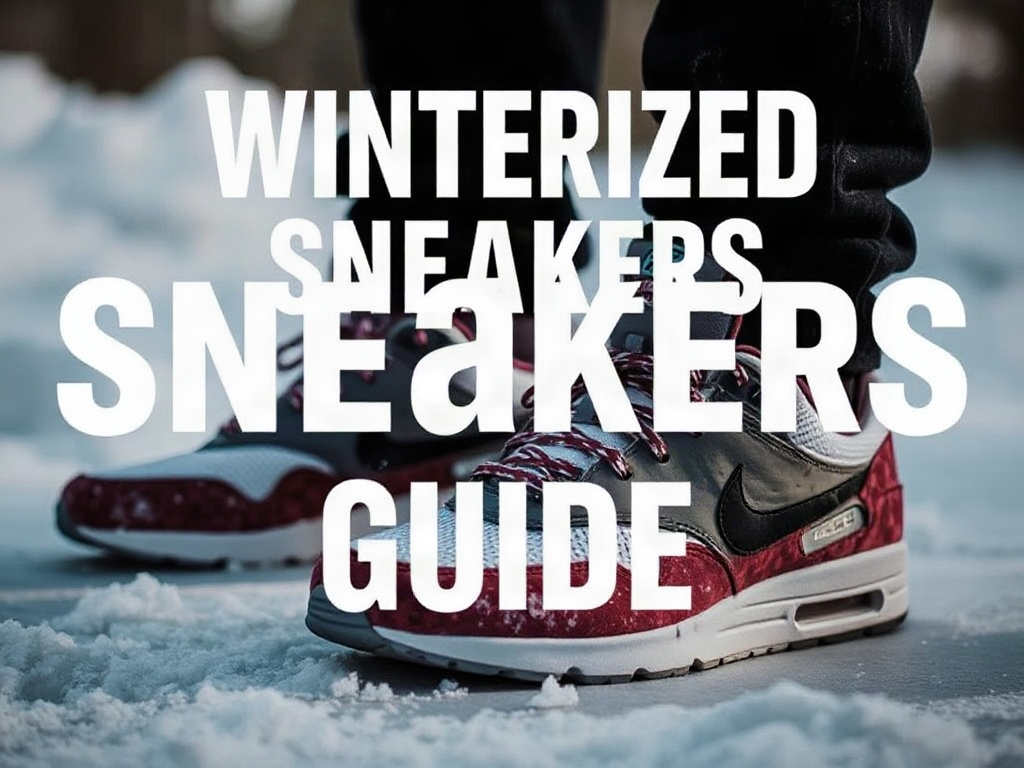
There is a specific kind of frustration that comes with the first true freeze of winter: the realization that your favorite sneakers are entirely inadequate for the elements. You want the comfort and agility of a sneaker, but the reality of slush, ice, and biting winds usually demands a heavy, clunky boot. For many, the compromise feels binary—either you choose style and risk frozen toes, or you choose warmth and sacrifice your aesthetic. However, the rise of “winterized” sneakers has bridged this gap, offering a sophisticated blend of athletic design and rugged utility.
Key takeaways
- Prioritize footwear with a waterproof membrane and gusseted tongue to keep feet dry in slushy conditions.
- Choose outsoles with deep lugs and specialized rubber compounds that remain flexible and grippy on icy surfaces.
- Avoid cotton socks; use Merino wool to wick moisture and maintain warmth even if your feet get damp.
- Maintain your shoes by cleaning road salt with a vinegar-water solution and air-drying them away from direct heat sources.
p>
Winterized sneakers are not simply regular shoes with a coating of spray-on waterproof sealant. They are engineered from the ground up to handle low temperatures and moisture while maintaining the silhouette and feel of a traditional trainer. Understanding the nuances of these shoes—from the chemistry of the membranes to the geometry of the outsoles—is the key to staying warm without feeling like you are wearing hiking boots in the middle of the city. This guide provides a comprehensive look at how to select, wear, and maintain footwear that keeps you mobile and dry throughout the coldest months of the year.
Understanding Water-Resistance vs. Waterproofing
One of the most common points of confusion when shopping for winter sneakers is the distinction between water-resistant, water-repellent, and waterproof materials. These terms are often used interchangeably in marketing, but they represent very different levels of protection.
Water-resistant materials are typically treated with a Durable Water Repellent (DWR) coating. This is a chemical finish that causes water to bead up and roll off the surface. While effective for light drizzle or a quick walk through a damp parking lot, water-resistant shoes will eventually soak through if exposed to steady rain or deep slush. The DWR coating also wears off over time and requires re-application.
Water-repellent footwear is a step up, often utilizing denser weaves or tighter leather grains to block moisture for longer periods. While they offer more protection than water-resistant options, they still lack a dedicated internal barrier to stop water from seeping through the seams or the tongue.
Waterproof sneakers are the gold standard for winter. These typically feature a “bootie” construction or a membrane, such as Gore-Tex, sandwiched between the outer shell and the inner lining. This membrane is microporous; the pores are small enough to block liquid water molecules from entering but large enough to allow water vapor (sweat) to escape. When looking for a truly winterized sneaker, look for the term “waterproof membrane” rather than just “treated leather.” This ensures that even if you step in a deep puddle, your socks remain dry.
The Science of Insulation and Thermal Regulation
Keeping your feet warm is not just about blocking the wind; it is about managing heat and moisture. If your feet sweat and the moisture stays trapped against your skin, you will feel colder regardless of how thick the shoe’s lining is. This is why breathability is just as important as insulation.
Many high-end winterized sneakers utilize synthetic insulation like Thinsulate. This material is designed to trap air in tiny pockets, creating a thermal barrier that retains body heat without adding the bulk of traditional wool or down. For those in milder winters, a fleece or faux-fur lining can provide a cozy feel and a bit of extra warmth, though these are often less effective at moisture management than technical synthetic fibers.
Another critical factor is the “toe box” volume. A common mistake is buying winter sneakers in your usual size. However, if the shoe fits too snugly, it compresses the air pockets around your toes and restricts blood flow. Blood circulation is the primary way your body keeps your extremities warm. To maximize the effectiveness of the insulation, ensure there is a small amount of wiggle room in the toe box, which allows for thicker socks and maintains healthy circulation.
Sole Traction: Navigating Ice and Slush
The most dangerous part of winter walking is the loss of traction. Standard sneakers usually have flat, smooth rubber soles designed for gym floors or dry pavement. On ice or packed snow, these soles become slippery, increasing the risk of falls.
Winterized sneakers feature specialized outsoles with deeper “lugs”—the protrusions on the bottom of the shoe. Deep lugs bite into soft snow and slush, providing the grip necessary for stability. However, for icy surfaces, the material of the rubber is more important than the depth of the tread. Standard rubber hardens in cold temperatures, becoming plastic-like and slippery. Winter-specific rubber compounds are designed to remain soft and “sticky” even in freezing temperatures, allowing them to grip the microscopic irregularities of an icy surface.
Additionally, look for “siping” on the outsole. Siping refers to the small slits cut into the rubber that act like windshield wipers, pushing water away from the contact point between the shoe and the ground. This prevents hydroplaning on wet pavement and provides significantly better grip on thin layers of ice.
Choosing the Right Sneaker for Your Winter Environment
Not every winter is the same, and not every activity requires the same level of protection. Choosing the right sneaker depends on your specific daily routine.
The Urban Commuter: If your day consists of walking from a parking garage to an office, you need a “city-winterized” shoe. Look for a sleek leather sneaker with a waterproof membrane and a moderate lug sole. Leather is naturally wind-resistant and looks professional, while the membrane handles the slushy sidewalks. A mid-top silhouette is preferable here to prevent snow from entering through the ankle collar.
The Active Explorer: For those who spend their weekends on light hiking trails or walking dogs through snowy parks, a technical winter sneaker is best. These often look like a hybrid between a trail runner and a boot. Prioritize high-traction outsoles (like Vibram) and a high-top design with a gusseted tongue (a tongue that is sewn to the sides of the shoe) to completely seal out snow and debris.
The Casual Errands Runner: For quick trips to the store or coffee shop, a treated canvas or synthetic sneaker with a fleece lining is sufficient. These aren’t designed for hours in the snow, but they provide more warmth and moisture protection than a standard summer sneaker, making them an ideal “in-between” choice for late autumn or early spring.
The Critical Role of Winter Socks
Even the most expensive winterized sneakers will fail if you wear the wrong socks. The most common error is wearing thick cotton socks. Cotton is hydrophilic, meaning it absorbs and holds onto moisture. Once your feet sweat or a small amount of water leaks in, cotton socks stay damp, pulling heat away from your skin and leading to the dreaded “frozen foot” sensation.
The gold standard for winter footwear is Merino wool. Merino wool is naturally antimicrobial, meaning it resists odors, and more importantly, it is hydrophobic. It can absorb a significant amount of moisture without feeling wet, and it continues to insulate even when damp. For extreme cold, a layering system is most effective: a thin, moisture-wicking synthetic liner sock topped with a medium-weight Merino wool sock.
Avoid the temptation to wear two pairs of thick socks to “add more warmth.” Doing so often takes up too much room in the shoe, compressing the foot and restricting the very blood flow needed to keep you warm. One pair of high-quality wool socks is almost always superior to multiple pairs of cheaper alternatives.
Maintaining Your Winter Sneakers
Winter is brutal on footwear. Between the constant moisture and the corrosive nature of road salt, your winter sneakers can degrade quickly if not properly cared for. Salt is particularly damaging; it draws moisture out of leather, causing it to dry, crack, and leave unsightly white stains.
Cleaning Salt Stains: Never scrub salt stains with harsh chemicals. Instead, create a solution of one part white vinegar and two parts water. Dip a soft cloth into the solution and gently wipe away the salt residues. The acidity of the vinegar neutralizes the alkaline salt, removing the stain without damaging the material.
The Drying Process: The fastest way to ruin a winter sneaker is to place it directly against a heater or use a hairdryer. High, direct heat can warp the rubber soles, crack the leather, and degrade the waterproof membranes. Instead, remove the insoles and stuff the shoes with newspaper or brown paper bags. The paper draws moisture out from the inside, and the shoes maintain their shape. Let them air dry in a well-ventilated room away from direct heat sources.
Re-waterproofing: If your sneakers use a DWR coating, you will notice water stops beading and starts to “wet out” (soak into the fabric). When this happens, use a high-quality waterproofing spray specifically designed for the material of your shoe (e.g., a silicone-based spray for synthetics or a wax-based cream for leather). Apply the spray to a clean, dry shoe and allow it to cure for 24 hours before wearing.
Sustainable Choices in Winter Footwear
The fashion industry’s push toward “fast fashion” has led to a surge in cheap, synthetic winter shoes that end up in landfills after a single season. To make a more sustainable choice, focus on durability and material origins.
Look for sneakers made from recycled polyesters or bio-based rubbers. Some brands are now utilizing “vegan leathers” made from pineapple or mushroom fibers, which can be treated for water resistance. However, the most sustainable choice is often a high-quality, full-grain leather shoe that can be conditioned and repaired. A shoe that lasts five winters is far more eco-friendly than five shoes that last one winter each.
Consider the “repairability” of the shoe. Sneakers with glued soles are harder to fix than those with stitched construction. While most sneakers are glued, choosing a brand with a known reputation for longevity and offering a warranty or repair service can significantly reduce your environmental footprint.
Common Mistakes to Avoid When Buying Winter Sneakers
To ensure you get the most value and protection from your purchase, avoid these frequent pitfalls:
- Prioritizing Style Over Sole: A sneaker might look great, but if the sole is flat, you are essentially wearing ice skates. Always check the tread depth and rubber composition before buying.
- Ignoring the Tongue: A standard tongue allows snow and rain to enter through the lace gaps. Look for a “gusseted tongue”—where the tongue is connected to the upper—to ensure a water-tight seal.
- Overestimating “Water-Resistant” Labels: Do not assume a shoe is waterproof because it is leather. Many leather sneakers are porous or have stitching that lets water in. Check for an internal membrane for true waterproofing.
- Neglecting the Insole: Many winter sneakers come with standard foam insoles. Replacing these with wool or thermal insoles can drastically increase the warmth of the shoe without changing the external size.
Frequently Asked Questions
Q: Can I wear winterized sneakers for hiking in deep snow?
A: While winterized sneakers are excellent for urban environments and light trails, they are generally not a replacement for dedicated snow boots in deep powder. They lack the height to prevent snow from falling in from the top and may not have the heavy-duty insulation required for stationary activities in sub-zero temperatures. For deep snow, a boot with a waterproof cuff and higher thermal rating is recommended.
Q: How often should I re-apply waterproofing spray to my sneakers?
A: There is no set schedule, as it depends on your usage and the weather. The best way to tell is the “Bead Test.” Drop a small amount of water on the surface of the shoe. If the water beads up and rolls off, your protection is still active. If the water soaks into the material and darkens it, it is time to clean the shoes and re-apply the waterproof treatment.
Q: Are Gore-Tex sneakers breathable enough for indoor use?
A: Yes, Gore-Tex is designed to be breathable. However, because it is more insulating than a standard mesh sneaker, your feet may feel warmer when you move indoors. If you spend 90% of your time inside and only 10% walking through snow, you might prefer a water-resistant leather sneaker over a full Gore-Tex membrane to avoid overheating.
Q: Will winterized sneakers cause my feet to sweat more?
A: Any shoe that blocks wind and water will naturally trap more heat than a breathable summer shoe. However, the key to preventing excessive sweat is the combination of a breathable membrane (like Gore-Tex) and moisture-wicking socks (like Merino wool). If you wear cotton socks with winter sneakers, your feet will likely feel clammy and sweaty.
Q: Is it better to get a mid-top or a low-top winter sneaker?
A: For winter, mid-tops are almost always superior. They provide an extra layer of protection against ankle drafts and prevent slush and snow from entering the shoe from the top. If you prefer the look of a low-top, you can mitigate the issue by wearing higher socks that overlap the collar of the shoe, creating a makeshift seal.
Related posts:
 Spring Step-Up: The Season’s Freshest Sneakers for Every Workout and Lifestyle
 White Sneaker Cleaning Hack
 Star-Studded Soles: The Sneakers Every Celebrity Can’t Stop Wearing
 Smart Shoe Shopping Tips Everyone Should Know
 Step Into Compassion: The Best Vegan Shoe Brands Making Waves
 Old Navy’s Hygge Sock Sale Is the Black Friday Deal Your Feet Need
 The Art of Pairing Dresses with Sneakers for Effortless Style
 Dad Sneakers: Chrissy Teigen’s Pick