For many people, the menstrual cycle brings a complex cocktail of symptoms: cramping, bloating, fatigue, and fluctuating moods. It is common to wonder whether you should push through your scheduled gym session or curl up with a heating pad. The truth is that exercise is not only safe during your period, but it can also be a powerful tool for symptom management when approached with self-compassion and physiological awareness.
Understanding the Hormonal Landscape
To optimize your exercise routine, it helps to understand what is happening inside your body. During the first few days of your period, both estrogen and progesterone levels are at their lowest point. This hormonal dip is often responsible for the feelings of lethargy and low stamina that many experience. However, as the cycle progresses into the follicular phase, estrogen levels begin to rise, which can lead to increased energy, higher pain tolerance, and improved recovery rates. Recognizing these shifts allows you to adjust your intensity rather than forcing your body to perform at a baseline that may not be sustainable during menstruation.
The Physiological Benefits of Movement
Movement during menstruation provides several tangible physiological advantages. When you exercise, your body releases endorphins, which are natural painkillers that can help alleviate menstrual cramps. Furthermore, physical activity improves blood circulation, which helps reduce the severity of pelvic congestion and bloating. Aerobic exercise, in particular, can help manage irritability and mood swings by regulating neurotransmitters like serotonin. By viewing movement as a way to support your body rather than a chore to be completed, you can transform your relationship with your cycle.
Adapting Your Intensity to Your Energy Levels
The most important rule for exercising during your period is to listen to your body. On days when you feel sluggish, high-intensity interval training (HIIT) or heavy powerlifting might feel overwhelming. Instead, consider shifting your focus to steady-state cardio or moderate resistance training. If you are experiencing significant discomfort, prioritize low-impact activities. The goal is to maintain the habit of movement without adding undue stress to a system that is already working hard to manage hormonal changes. If you are feeling particularly strong, there is no medical reason to skip your regular routine, provided you stay hydrated and listen for cues of overexertion.
Yoga and Stretching for Cramp Relief
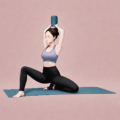
Yoga is perhaps the most recommended form of exercise during menstruation because it combines gentle movement with intentional breathing. Specific poses can target the pelvic floor and lower back, providing relief from cramping and tension. Poses like Child’s Pose, Cat-Cow, and Reclining Bound Angle Pose are excellent for opening the hips and relaxing the abdominal muscles. Incorporating a restorative yoga flow into your routine can act as both a workout and a therapeutic practice, helping you to stay connected to your body while managing physical discomfort.
The Importance of Hydration and Nutrition
Your nutritional needs fluctuate alongside your hormones. During your period, you may experience increased cravings or a slightly higher metabolic rate. Focus on complex carbohydrates to maintain steady energy levels and iron-rich foods, such as lentils, spinach, or lean proteins, to replenish what is lost during menstruation. Hydration is equally critical; increased water intake can help combat bloating and keep your muscles functioning optimally. Avoid excessive caffeine or high-sodium snacks, which can exacerbate bloating and interfere with sleep quality, further compounding your fatigue.
Modifying Gym Logistics for Comfort
Part of the “drama” associated with working out during a period is the logistics. Choosing the right gear can make a world of difference. Opt for moisture-wicking, breathable fabrics that allow for airflow and prevent chafing. If you use tampons, menstrual cups, or period underwear, ensure they are securely in place before you begin. Many people find that high-waisted leggings provide a sense of security and gentle compression that helps soothe cramping. Keep a small, discreet kit in your gym bag with extra supplies, wet wipes, and a change of underwear to alleviate any anxiety about leaks or discomfort.
When to Take a Rest Day
There is a distinct difference between “good pain” or fatigue and signs that your body needs a complete break. If you are experiencing severe pain, dizziness, or heavy bleeding that leaves you feeling faint, it is essential to prioritize rest. Pushing through severe physical distress can lead to injury or prolonged recovery times. A rest day is not a sign of weakness; it is a strategic decision that allows your body to recover, ensuring you return to your training with more vigor once your symptoms subside. Be kind to yourself and recognize that rest is an integral part of an effective fitness program.
Building a Sustainable Cycle-Syncing Routine
The long-term goal is to build a fitness routine that works with your biology rather than against it. Cycle syncing—adjusting your training intensity based on the phases of your menstrual cycle—can lead to better performance and fewer injuries. During your period, focus on restorative movement. During the follicular phase, ramp up your intensity. During ovulation, take advantage of peak energy levels for strength training. In the luteal phase, as progesterone rises, transition back toward moderate intensity. This approach turns your period from a hurdle into just one part of a balanced, sustainable training cycle.
Optimizing Core Stability and Pelvic Floor Awareness
During menstruation, the pelvic floor muscles can become hypertonic or overly tense due to the uterine contractions that cause cramping. Traditional “core” exercises like heavy crunches or intense hanging leg raises can sometimes exacerbate this tension, leading to increased discomfort. Instead, shift your focus toward “diaphragmatic breathing” combined with gentle pelvic floor engagement. Visualize the pelvic floor as a hammock that lifts and releases with your breath. By prioritizing core stability movements that emphasize controlled eccentric loading—such as slow-tempo bird-dogs or dead bugs—you support the spine without putting undue pressure on the abdominal cavity. This approach builds a foundation of stability that prevents the “clenched” feeling often associated with period-related pelvic pain, ensuring your midsection feels supported rather than strained.
The Nuance of Thermoregulation and Training
Your body temperature naturally fluctuates throughout your cycle, and during the luteal phase leading into your period, your core body temperature is at its highest. This can make you feel “overheated” more quickly during intense cardiovascular sessions. When you hit your period, your baseline temperature drops, but your perception of exertion may still feel heightened. To manage this, focus on environments that offer adequate ventilation or climate control. If you are a runner or a cyclist, consider shifting your sessions to the early morning or late evening when the ambient temperature is lower. If you prefer gym-based cardio, keep a cooling towel nearby and focus on maintaining a steady heart rate rather than pushing for personal records. Managing your thermal environment prevents the lethargy that often stems from heat-induced exhaustion, allowing you to finish your workout feeling energized rather than depleted.
Navigating Proprioception and Joint Laxity
Hormonal shifts, particularly the drop in progesterone and the subsequent rise in estrogen as you move past your period, can affect your joints and connective tissues. While many associate joint laxity with the ovulatory phase, the transition into your period can sometimes lead to a feeling of “heaviness” or reduced stability in the ankles and knees. This is a critical time to prioritize unilateral training—exercises performed on one side at a time, such as split squats, single-leg deadlifts, or step-ups. Unilateral work requires increased stabilization from your smaller stabilizer muscles, which helps “wake up” your nervous system without requiring the heavy, systemic load of a barbell back squat. By focusing on balance and coordination, you improve your neuromuscular control, which can actually reduce the risk of injury during times when you feel slightly less “in sync” with your body.
The Role of Micronutrient Timing
While general nutrition is vital, the timing of your intake around your workout is equally important during your period. Because your body is working harder to regulate inflammation, you might find that you recover more slowly from glycogen-depleting sessions. To combat this, aim for a “nutrient-dense window” pre-workout. Consume a snack that balances complex carbohydrates with a small amount of healthy fat—like a slice of sprouted-grain toast with almond butter—about 60 to 90 minutes before training. This slow-release energy prevents the “crash” that can occur if you train while your blood sugar is unstable. Post-workout, prioritize anti-inflammatory foods such as tart cherry juice, turmeric-infused smoothies, or omega-3-rich sources like chia seeds. These help mitigate the systemic inflammation caused by both the workout and the menstrual process, effectively shortening your recovery window and reducing muscle soreness.
Leveraging Breathwork for Parasympathetic Recovery
Working out during your period doesn’t have to be limited to physical exertion; it can also be a time to integrate “active recovery” through breathwork. Many athletes fall into the trap of using exercise only for output, but during your period, you can use it to modulate your nervous system. Try incorporating a 10-minute session of “box breathing” or “4-7-8 breathing” immediately following your movement. By deliberately slowing your exhale, you stimulate the vagus nerve, which helps shift your body from a sympathetic (fight-or-flight) state to a parasympathetic (rest-and-digest) state. This is especially helpful if you struggle with period-related anxiety or irritability. By pairing your physical movement with intentional breath, you teach your body that even when you are under stress, you have the tools to return to a state of calm, making your fitness routine a holistic practice rather than just a physical challenge.
Selecting Gear for Sensory Comfort
The sensory experience of your clothing can drastically alter your motivation to exercise during your period. Many people report heightened skin sensitivity during menstruation, making tight seams or abrasive fabrics particularly distracting. When choosing your workout attire, prioritize seamless construction and “buttery-soft” fabric blends. If you find that traditional waistbands dig into your abdomen and exacerbate bloating, look for “high-rise, no-dig” designs or even gentle compression shorts that offer support without constriction. Additionally, consider the “layering” strategy: wearing a soft, oversized tank top over a supportive sports bra can provide a psychological sense of comfort and coverage that allows you to focus on the movement rather than your midsection. Investing in one or two “period-friendly” outfits that feel like a second skin can remove one more barrier between you and your gym bag.
Frequently Asked Questions
1. Can exercise make my period heavier? Generally, no. For most people, moderate exercise does not increase menstrual flow. However, if you notice unusually heavy bleeding or persistent pain during or after exercise, consult a healthcare professional to rule out underlying conditions like endometriosis or fibroids.
2. Is it safe to swim while on my period? Yes, swimming is perfectly safe and can be a great low-impact activity. Using a menstrual cup or a tampon is the standard way to manage this. If you are uncomfortable with internal products, it is perfectly acceptable to skip the pool and choose a different activity.
3. Why do I feel weaker during my period? The drop in estrogen and progesterone, combined with the loss of iron and potential sleep disturbances, can lead to a decrease in physical stamina. This is a normal physiological response and does not mean you have lost your progress or strength.
4. Should I avoid inversions in yoga during my period? This is largely a matter of personal preference. While some traditional yoga schools suggest avoiding inversions to allow for natural blood flow, there is no scientific evidence suggesting that inversions are harmful during menstruation. Do what feels comfortable for you.
5. How can I manage gym anxiety during my period? Focus on preparation. Wear comfortable, secure clothing, choose a location where you feel at ease, and have your supplies ready. Remember that most people at the gym are focused on their own workouts and are not paying attention to your cycle. Prioritize your comfort above all else.