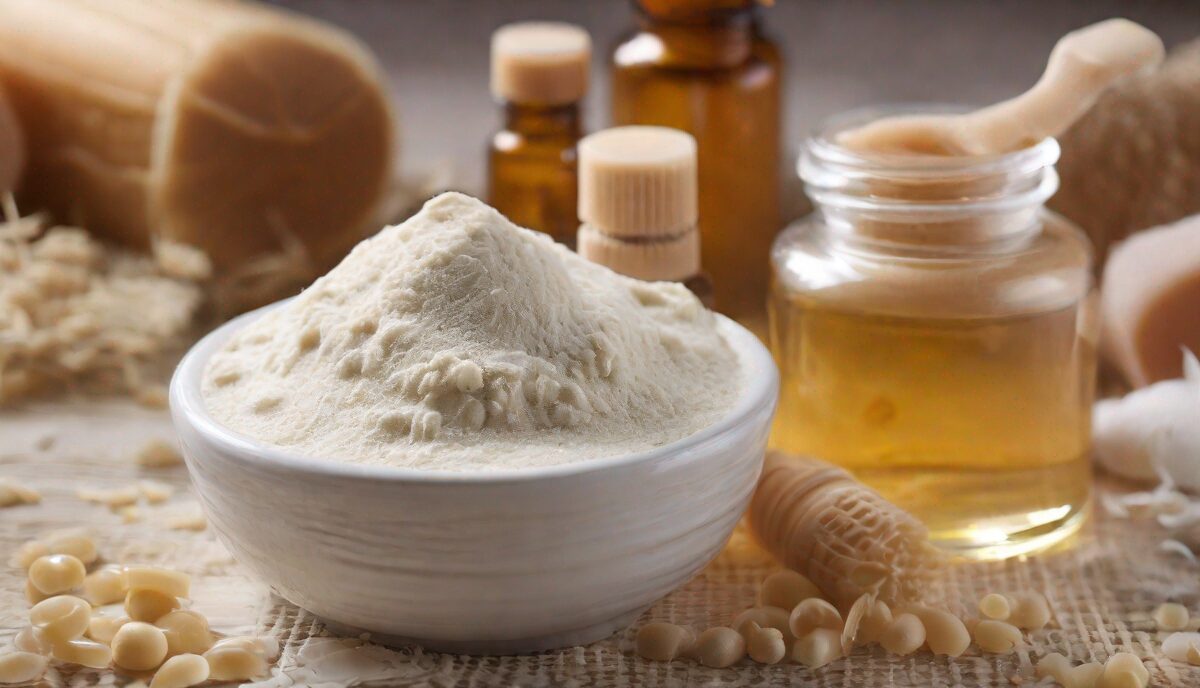
When it comes to skin care, yeast might not be the first ingredient that springs to mind. However, this unassuming fungus, which has been used for centuries in brewing and baking, is now making a significant impact in the beauty industry. In this article, we’ll delve into the skin care benefits of yeast, explore how it works, and reveal why you might want to include yeast-infused products in your beauty regimen.
What Is Yeast and How Does It Benefit the Skin?
Yeast is a type of fungus that is rich in vitamins, minerals, and antioxidants. It’s particularly known for its high levels of B vitamins, which are essential for skin health. These nutrients help to protect skin cells from damage and improve skin tone, giving you a healthier and more vibrant complexion.
Anti-Aging Properties of Yeast
One of the most sought-after benefits of yeast in skin care is its anti-aging properties. Yeast extracts can help to reduce the appearance of fine lines and wrinkles, thanks to their ability to promote cell regeneration and improve skin elasticity.
Hydration and Moisture Retention
Yeast derivatives are also known for their hydrating qualities. They can help the skin retain moisture, keeping it plump and hydrated throughout the day. This is particularly beneficial for those with dry or dehydrated skin.
Yeast’s Role in Treating Acne
For those struggling with acne, yeast might be a surprising ally. Its anti-inflammatory and antimicrobial properties can help to soothe irritated skin and fight acne-causing bacteria. Additionally, yeast helps to regulate sebum production, which can reduce the likelihood of future breakouts.
How to Incorporate Yeast into Your Skin Care Routine
Incorporating yeast into your skin care routine is simple. Look for products like serums, moisturizers, and masks that list yeast or its derivatives as a key ingredient. Start by using these products a few times a week and observe how your skin responds before making them a regular part of your routine.
The Science of Bio-Fermentation: How Yeast Transforms Ingredients
To truly understand why yeast is a powerhouse in modern cosmetics, one must look at the process of bio-fermentation. Yeast is not merely added to a formula; it is often used to “pre-digest” complex botanical extracts. During fermentation, yeast enzymes break down large molecular structures into smaller, more bioavailable components. This process essentially pre-processes active ingredients, making them significantly easier for the skin to absorb. For instance, minerals and vitamins that are traditionally difficult for the skin barrier to penetrate become highly permeable after being processed by yeast. This is why you will often see “Fermented Filtrate” on ingredient lists—it signifies that the yeast has unlocked the full potential of the accompanying formula, allowing your skin to access nutrients at a cellular level that would otherwise remain on the surface.
Beta-Glucans: The Secret Weapon for Barrier Repair
One of the most profound components derived from yeast cell walls is beta-glucan. Often compared to hyaluronic acid for its humectant properties, beta-glucan actually offers a unique advantage: it is a potent immunomodulator. When applied topically, it interacts with Langerhans cells—the skin’s immune sentinels—to stimulate a repair response. This is particularly useful for individuals with compromised barriers due to over-exfoliation, harsh weather, or environmental pollution. Unlike heavy occlusives that simply sit on top of the skin, beta-glucans penetrate deep into the epidermis, providing a cushioning effect that reduces redness and accelerates the healing of microscopic tears in the moisture barrier. If your skin feels chronically tight or reactive, seeking out products featuring yeast-derived beta-glucans can provide a soothing, protective shield that feels weightless yet highly effective.
Yeast-Derived Peptides and Protein Synthesis
Beyond vitamins, yeast is a sophisticated source of amino acids and peptides. These building blocks are essential for the synthesis of collagen and elastin, the two primary proteins responsible for structural integrity. As we age, the skin’s natural ability to synthesize these proteins wanes. Yeast extracts contain specific signaling peptides that mimic the skin’s natural repair mechanisms, effectively “reminding” fibroblasts to remain active. By integrating yeast-derived peptides into your nightly routine, you are essentially providing the raw materials required for nighttime cellular repair. This is distinct from retinol-based treatments; whereas retinol forces cellular turnover, yeast peptides support the skin’s natural scaffolding, making them an excellent, non-irritating alternative for those with sensitive skin who cannot tolerate traditional anti-aging actives.
The Role of Yeast in Microbiome Balancing
The skin microbiome—a delicate ecosystem of bacteria, fungi, and viruses—is the first line of defense against pathogens. Yeast extracts act as prebiotics, providing sustenance for the “good” bacteria that keep the skin healthy. When the microbiome is unbalanced, skin often breaks out, becomes inflamed, or develops patches of dermatitis. By applying yeast-based products, you are effectively feeding the beneficial flora on your skin, which in turn outcompetes the harmful bacteria that cause acne and inflammation. This is a “bottom-up” approach to skin health; rather than trying to sterilize the skin with harsh acids or antibiotics, yeast works in harmony with your natural biology to maintain an acidic, healthy environment that is hostile to pathogens but hospitable to your skin’s natural protective bacteria.
Targeted Brightening: Inhibiting Pigmentation via Yeast Enzymes
For those struggling with post-inflammatory hyperpigmentation or sun spots, yeast offers a promising alternative to traditional bleaching agents like hydroquinone. Certain strains of yeast, most notably those used in the production of Galactomyces ferment filtrate, contain enzymes that inhibit the overproduction of melanin in the skin. By regulating the melanogenesis pathway, these ingredients help to fade dark spots and even out skin tone over time. Unlike aggressive skin-lightening agents that can cause rebound pigmentation or irritation, yeast-based brightening is gradual and gentle. It focuses on maintaining cellular health while discouraging the formation of excess pigment, making it a safe choice for long-term daily use, even for those with darker skin tones who may be prone to hyperpigmentation from harsh chemical peels.
Navigating the Differences: Galactomyces vs. Saccharomyces
Not all yeast in skin care is created equal, and understanding the specific strains can help you choose the right product for your goals. Saccharomyces cerevisiae, the common brewer’s yeast, is widely utilized for its high concentration of B vitamins and minerals, making it the gold standard for overall skin vitality and nourishment. In contrast, Galactomyces ferment filtrate is revered in luxury formulations for its superior ability to refine skin texture, minimize the appearance of pores, and provide a glassy, translucent finish. If your primary concern is rough texture or visible pores, look for Galactomyces-heavy toners or essences. If your concern is general dullness, fatigue, or dry patches, a Saccharomyces-rich moisturizer will likely provide the best results. Recognizing these subtle differences allows for a more tailored approach to your beauty regimen, ensuring you aren’t just using “yeast,” but the right yeast for your specific complexion needs.
Edge Cases and Formulation Compatibility
While yeast is highly beneficial, it is important to consider how it interacts with other actives in your cabinet. Because yeast is a biological ferment, it can sometimes be sensitive to extreme pH levels. If you are using a high-potency Vitamin C (L-ascorbic acid) serum, which requires a very low pH to remain stable, it is best to wait 15-20 minutes after applying your yeast essence to ensure the efficacy of both products. Furthermore, while yeast is generally safe for those with fungal acne (Malassezia folliculitis), it is worth noting that some fermented ingredients contain trace amounts of other metabolites that could theoretically trigger an issue for those with extreme sensitivities. If you have a known history of severe fungal acne, start with a patch test on the inner arm for 72 hours before applying to the face. This ensures that the specific strain in your product is compatible with your unique skin environment, allowing you to enjoy the benefits of fermentation without triggering an unwanted flare-up.
FAQ
Is yeast suitable for all skin types?
Yes, yeast is generally suitable for all skin types. However, as with any new skin care product, it’s advisable to do a patch test first to ensure no adverse reactions.
Can yeast cause skin irritation?
While yeast is typically gentle on the skin, some individuals may experience sensitivity. If irritation occurs, discontinue use and consult a dermatologist.
Are there any side effects of using yeast in skin care?
Side effects are uncommon but can include mild irritation or allergic reactions. Always check the product label for additional ingredients that may cause sensitivity.
How long does it take to see the benefits of using yeast in skin care?
The time to see benefits can vary based on individual skin types and the product used. Some people may notice improvements within a few weeks, while for others, it may take longer.
Can yeast in skin care products replace my regular anti-aging or acne treatment?
While yeast can have anti-aging and anti-acne benefits, it should not necessarily replace your regular treatments. Consult with a skin care professional to tailor a regimen that meets your specific needs.
Related posts:
 The Best Toners for Acne-Prone Skin That Won’t Strip Your Face
 K-Beauty’s Secret Weapons for Winning the War Against Acne
 Can Collagen Really Clear Acne?
 Products That Are Bad for Your Vaginal Health
 DIY Natural Acne Treatment
 The Hidden Mental Health Cost of Adult Acne
 Forehead Frustration: Why Your Face Keeps Breaking Out in That One Spot
 Foundation’s Impact on Skin