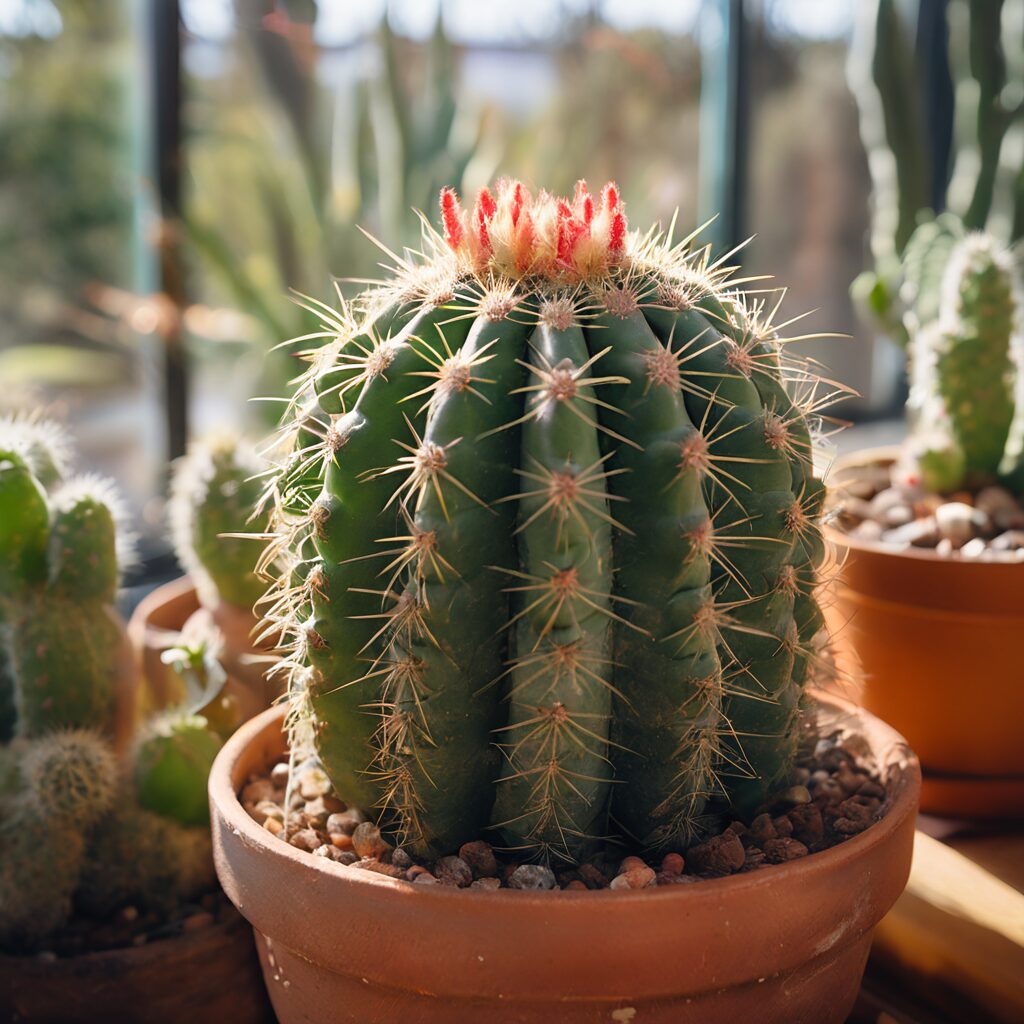
Cacti are known for their resilience and ability to thrive in harsh conditions. However, winter poses a unique set of challenges for these hardy plants. This comprehensive guide will help you understand how to care for your cacti during the colder months, ensuring they remain healthy and vibrant.
Key takeaways
- Keep cacti in temperatures between 50-55°F to prevent cold damage during dormancy.
- Water sparingly every 4-6 weeks, ensuring the soil is completely dry to avoid root rot.
- Place plants in a south-facing window or use grow lights to maximize light exposure.
- Use well-draining soil and pots with drainage holes for optimal moisture control.
- Inspect plants regularly for pests like mealybugs and treat infestations immediately.
Understanding Cacti and Their Winter Needs
Before diving into winter care specifics, it’s essential to understand the nature of cacti. These plants are native to arid regions and have adapted to survive with minimal water. During winter, they enter a dormant phase, requiring different care compared to the growing season.
Optimal Temperature for Winter Cacti Care
Cacti are not immune to cold temperatures. Most cacti prefer temperatures between 50-55°F (10-13°C) during the winter. Avoid exposing your cacti to freezing temperatures, as this can cause significant damage or even kill the plant.
Light Requirements During Winter
In their natural habitat, cacti receive plenty of sunlight even during the winter months. When indoors, place your cacti in a south-facing window to maximize light exposure. If natural light is insufficient, consider using grow lights to supplement.
Watering Your Cacti in Winter
One of the most critical aspects of winter cacti care is adjusting your watering schedule. Over-watering is a common mistake that can lead to root rot. During winter, cacti require significantly less water. Water sparingly, ensuring the soil dries out completely between waterings.
Soil and Pot Considerations
Ensure your cacti are planted in well-draining soil. A cactus-specific potting mix is ideal. Additionally, the pot should have drainage holes to prevent water from accumulating at the bottom. Proper soil and pot choices are crucial to preventing root rot.
Protecting Cacti from Pests
Although less active in winter, pests can still pose a threat to your cacti. Regularly inspect your plants for signs of pests such as spider mites or mealybugs. If you notice any infestations, treat them promptly with appropriate insecticides or natural remedies.
Distinguishing Winter Needs: Desert vs. Jungle Cacti
While the term “cactus” often conjures images of arid Saharan landscapes, a significant number of popular indoor varieties are actually tropical epiphytes. Understanding the distinction between desert cacti and jungle cacti (such as Christmas, Thanksgiving, and Easter cacti) is paramount, as their winter requirements are diametrically opposed. Desert cacti, like the Barrel or Saguaro, require a period of profound drought and cool temperatures to enter dormancy. In contrast, jungle cacti, belonging to the Schlumbergera or Rhipsalis genera, are often in their peak blooming phase during the winter months.
For jungle cacti, the winter care routine involves maintaining a consistent level of humidity that would be detrimental to their desert cousins. While you should still reduce watering slightly compared to the summer, these plants should never be allowed to dry out completely. If the soil becomes bone-dry, the plant may drop its flower buds prematurely—a common frustration for indoor gardeners. Furthermore, while desert cacti thrive in the brightest possible light during winter, jungle cacti prefer bright, indirect light. Placing a Christmas cactus in a scorching south-facing window during a winter cold snap can lead to leaf scorching or “purpling,” a sign of light stress. When managing a mixed collection, group your plants by these specific environmental needs to ensure that the dry-rest requirements of one do not interfere with the hydration needs of the other.
The Science of Dormancy and the Danger of Etiolation
Dormancy is not merely a “nap” for your cactus; it is a physiological state where metabolic processes slow to a crawl. This state is triggered by two primary factors: decreasing day length and a drop in ambient temperature. One of the most common winter pitfalls for enthusiasts is keeping their homes too warm while the light levels are low. This creates a metabolic mismatch. The warmth signals to the plant that it should be growing, but the lack of intense winter sun means the plant cannot produce enough energy through photosynthesis to support healthy, robust tissue.
The result is a phenomenon known as etiolation. You may notice your cactus beginning to stretch, becoming pale, thin, and weak at the top. This growth is permanent; even when the sun returns in the spring, that thin section will remain a structural weak point, often leading to the plant snapping under its own weight later in life. To prevent etiolation, you must ensure that if the plant is in a warm room (above 65°F), it receives supplemental high-intensity LED grow lights for at least 12 to 14 hours a day. Conversely, the most effective way to prevent leggy growth without expensive lighting is to keep the plant in a cool area (50-55°F) which reinforces the dormancy signal and stops the plant from attempting to grow during the dark months.
Strategic Microclimates: Navigating Indoor Heating and Drafts
The placement of your cactus during winter involves more than just finding a sunny spot; it requires an awareness of the “microclimates” within your home. Modern heating systems are the silent enemy of the overwintering cactus. Forced-air heating strips the air of all moisture, which can cause smaller cacti to desiccate and shrivel excessively. More importantly, if a cactus is placed directly above a radiator or heating vent, the localized heat can trick the plant out of dormancy, leading to the aforementioned etiolation or a total collapse of the root system due to rapid evaporation.
Drafts are equally hazardous. While a cool room is beneficial, a localized blast of freezing air from an ill-fitting window frame can cause “chill spots” or localized tissue death. This often manifests as black or translucent patches on the side of the cactus facing the glass. To mitigate this, consider placing a thick piece of cardboard or a specialized insulating mat between the pot and the windowsill. This provides a thermal break, protecting the roots from the extreme cold of the window glass while still allowing the plant to benefit from the light. If you use heavy curtains to keep heat in at night, ensure your cacti are on the “room side” of the curtain once the sun sets; trapping them between the glass and a heavy drape can create a freezer-like pocket that drops well below the safe 50°F threshold.
The “Dry Rest” and Triggering Spring Blooms
For many species, such as Mammillaria and Rebutia, a strict winter “dry rest” is the secret ingredient to a spectacular spring flowering. This period of neglect mimics the natural seasonal cycles of their native habitats. When you withhold water and provide cool temperatures, the plant undergoes internal chemical changes that stimulate the formation of flower buds. If you continue to water and fertilize throughout the winter, the plant may remain green and healthy-looking, but it will likely fail to produce a single bloom come spring.
Starting in late October or early November, you should gradually taper off watering. By December, most desert cacti should receive no water at all unless they show signs of severe distress. It is normal for a cactus to lose some of its turgidity and look slightly shrunken or wrinkled during this time. This is a survival mechanism; by reducing the water content in its cells, the plant increases the concentration of salts and sugars in its sap, which acts as a natural antifreeze. A fully hydrated, plump cactus is much more susceptible to frost damage and internal cell bursting than one that has been allowed to slightly dehydrate for the winter.
Winter Pest Management: Identifying Dormant Threats
While most pests are less active in the winter, the dry, stagnant air of a heated home can provide the perfect breeding ground for certain resilient species. Mealybugs and scale are the most frequent winter intruders. Because the plant is not actively growing, these pests often hide in the deep crevices of the ribs or under the dense spines where they can go unnoticed for months. In winter, you cannot rely on systemic pesticides that require the plant to be actively taking up water through its roots.
Instead, winter pest control should be mechanical and localized. Use a magnifying glass to inspect your plants once every two weeks. If you spot the tell-tale white, cottony tufts of mealybugs, use a cotton swab dipped in 70% isopropyl alcohol to dab them directly. For scale—which appear as small, brown, raised bumps—you may need to gently scrape them off with a fingernail or a soft toothbrush before applying alcohol. Avoid using heavy horticultural oils during the winter dormancy period, as these can clog the stomata (breathing pores) of the cactus when its metabolism is already low, potentially leading to suffocation of the plant tissue. Always ensure the plant is completely dry after any liquid treatment to prevent fungal spores from taking hold in the damp crevices.
Outdoor Wintering for Cold-Hardy Cacti
Not all cacti need to come indoors. Species like the Opuntia humifusa (Eastern Prickly Pear) and certain Escobaria varieties are incredibly cold-hardy, some surviving temperatures as low as -30°F. However, “cold-hardy” does not mean “indestructible.” The primary killer of hardy cacti in winter isn’t the cold itself, but the combination of cold and moisture. In their native environments, these plants are often covered by dry snow, which acts as an insulator. In a garden setting, winter rain and sleet followed by a freeze can turn the plant’s roots into ice, causing them to rot instantly.
To successfully overwinter cacti outdoors, they must be planted in a location with exceptional drainage—ideally a raised bed composed of 70% grit or gravel. If your region experiences wet winters, you may need to construct a temporary “rain roof” using a sheet of plexiglass or a simple wooden frame covered in clear plastic. This allows the plants to stay dry while still receiving full sun and experiencing the natural temperature drops they need. For potted hardy cacti left outside, avoid ceramic or terra cotta pots, which can crack as the moisture in the clay freezes and expands. Instead, use heavy-duty plastic or stone containers, and wrap the pots in burlap or bubble wrap to protect the root ball from rapid freeze-thaw cycles.
Breaking Dormancy: The Gentle Spring Wake-Up
The transition from winter dormancy to the spring growing season is a delicate phase that requires patience. As the days lengthen in late February or March, it is tempting to immediately drench your plants and move them into the sun. However, a sudden influx of water to a dormant root system can lead to immediate rot, as the roots are not yet prepared to process large amounts of moisture. The “wake-up” process should take place over several weeks.
Begin by lightly misting the body of the cactus with a spray bottle. This mimics the heavy morning dews of spring and signals to the plant that moisture is becoming available. After a week of misting, provide the first light watering—just enough to moisten the top inch of soil. Wait for a warm, sunny day to do this. You will notice the plant begin to “plump up” as it rehydrates. Only once you see signs of new growth at the apex (the very top) of the cactus should you resume a regular watering and fertilization schedule. This gradual approach ensures that the vascular system of the plant is fully functional before it is tasked with supporting rapid seasonal growth, preventing the devastating “spring collapse” that claims many overwintered specimens.
Frequently Asked Questions
1. How often should I water my cacti in winter?
Cacti should be watered sparingly in winter, approximately once every 4-6 weeks. Ensure the soil is completely dry before watering again.
2. Can I keep my cacti outdoors during winter?
It’s best to bring cacti indoors during winter, especially if temperatures drop below 50°F (10°C). Prolonged exposure to cold can damage or kill the plant.
3. What type of light is best for cacti in winter?
Place your cacti in a south-facing window to maximize natural light. If necessary, use grow lights to supplement insufficient natural light.
4. How can I prevent root rot in my cacti?
Ensure your cacti are planted in well-draining soil and pots with drainage holes. Water sparingly and allow the soil to dry out completely between waterings.
5. What should I do if my cacti get infested with pests?
Regularly inspect your cacti for signs of pests. If you notice an infestation, treat it promptly with appropriate insecticides or natural remedies.
Conclusion
Caring for cacti over the winter requires a different approach than during the growing season. By understanding their needs and adjusting your care routine accordingly, you can ensure your cacti remain healthy and vibrant throughout the colder months. Remember to monitor temperature, light, water, soil, and pests to provide the best care for your cacti.
Related posts:
 Cactus Fruit Benefits: Discovering the Nutritional Powerhouse
 How to Propagate Succulents
 Caring for Succulents During the Winter Months
 Tiny Green Therapy: How Mini Plants Are Revolutionizing the Workspace
 Beginner-Friendly Fruits to Grow
 Urban Outfitters’ Faux Plant Collection
 Winter Gardening Tips: Keep Your Green Thumb Thriving Year-Round
 Essential Tips for Better Garden Health