Introduction
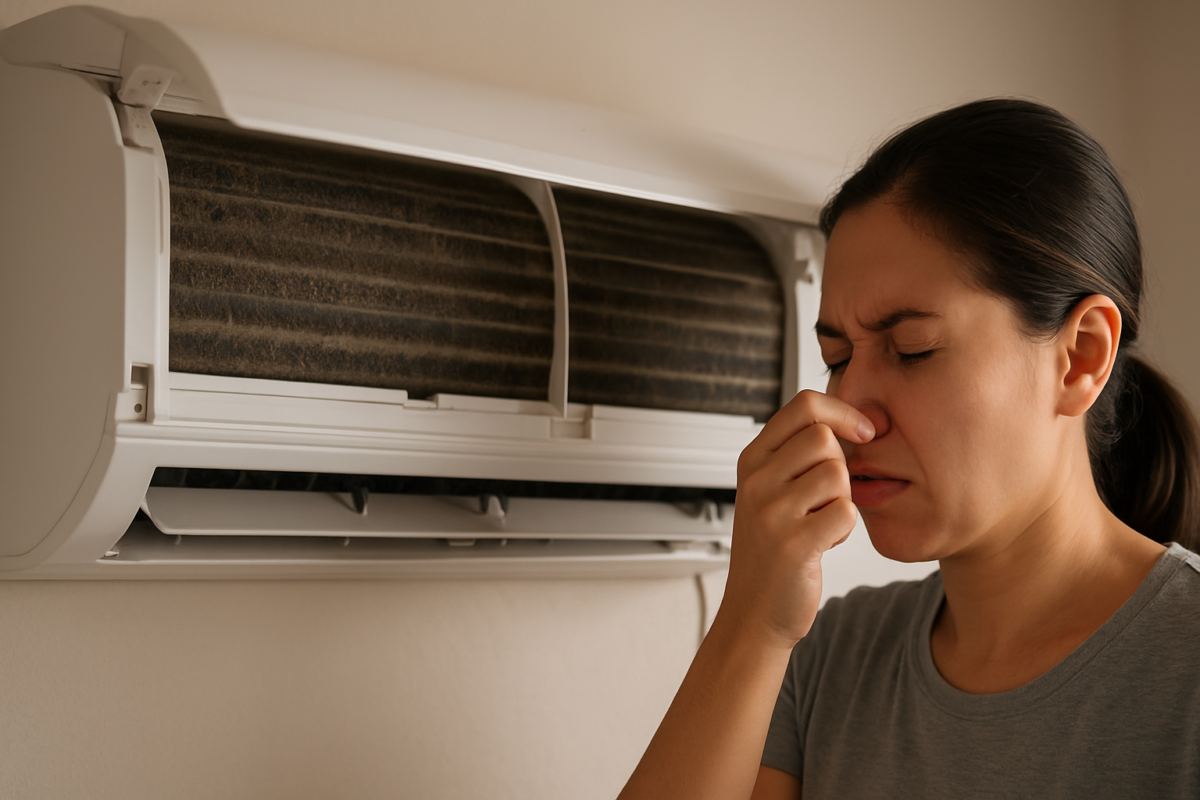
You settle into your living room on a hot summer afternoon, grateful for the cool blast from your air conditioner. But what if that refreshing breeze is actually carrying a hidden threat directly into your lungs? Most homeowners rarely think about the air circulating through their ductwork and coils, yet a dirty air conditioner can become a breeding ground for mold, bacteria, dust mites, and other airborne contaminants that directly compromise respiratory health. The Environmental Protection Agency has consistently ranked indoor air pollution among the top environmental risks to public health, and your HVAC system plays a central role in either filtering or distributing those pollutants. Understanding the connection between your AC unit and your lung health is not just smart maintenance, it is a critical step toward protecting yourself and your family from preventable respiratory harm.
Key takeaways
- Replace AC filters every one to three months to ensure efficient particle capture and prevent airflow restrictions.
- Clean evaporator coils and clear condensate drains annually to eliminate moisture and prevent mold or bacterial growth.
- Watch for persistent coughing, musty odors, or visible mold around vents as warning signs of poor indoor air quality.
- Schedule professional HVAC inspections every few years to check ductwork and safely manage deep-seated microbial contamination.
How Air Conditioners Affect Indoor Air Quality
Your air conditioner does more than lower the temperature. It circulates air continuously throughout your home, drawing in room air, passing it over evaporator coils and through filters, then redistributing the cooled air via ductwork. Every cycle presents an opportunity for contaminants to accumulate and spread. When components are clean and filters are replaced regularly, the system effectively removes particulates from the air. But when maintenance lapses, the opposite occurs. Moisture condensing on coils creates a damp environment where mold thrives. Dust that bypasses worn filters settles on internal surfaces and gets re-circulated with every startup. The result is a steady, often invisible, stream of irritants entering your airways.
Central air systems are particularly impactful because they serve multiple rooms simultaneously. A single contaminated unit can affect the air quality of an entire house. Portable and window units, while smaller in reach, pose similar risks when their filters and coils are neglected. The key variable is not the type of system but the consistency of its upkeep.
Common Contaminants Found in Dirty Air Conditioners
A neglected air conditioner can harbor a alarming variety of pollutants. Here are the most common culprits that can sabotage your lung health:
Mold and Mildew: Condensation on evaporator coils and within damp ductwork provides the perfect moisture level for mold growth. Black mold, in particular, releases spores and mycotoxins that trigger coughing, wheezing, and severe allergic reactions. Even low levels of mold exposure can inflame sensitive lung tissue over time.
Bacteria and Viruses: Stagnant water inside AC units creates a hospitable environment for bacteria, including Legionella, the organism responsible for Legionnaires’ disease. While this condition is rare, it underscores the serious consequences of unchecked microbial growth within cooling systems.
Dust and Dust Mites: Standard filters capture only larger particles. Fine dust, pollen, and dust mite debris pass through or bypass compromised filters and settle on moist internal surfaces, where they accumulate and become aerosolized during operation.
Volatile Organic Compounds: Cleaning chemicals, building materials, and household products off-gas VOCs that get pulled into the AC system and redistributed. Some of these compounds irritate airways and contribute to long-term respiratory damage.
Pest Debris: Insect parts, rodent dander, and insect frass can enter ductwork and accumulate, adding another layer of airborne irritants that your lungs must filter.
Respiratory Conditions Linked to Poor AC Maintenance
The respiratory consequences of breathing air contaminated by a dirty air conditioner range from mild irritation to chronic disease exacerbation. Asthma sufferers are among the most vulnerable, as the triggers released from mold spores, dust, and bacteria can provoke acute attacks characterized by narrowed airways, difficulty breathing, and chest tightness. Studies published in respiratory medicine journals have drawn correlations between poor indoor air quality and increased asthma morbidity, with HVAC systems frequently identified as contributing factors.
Chronic obstructive pulmonary disease patients also face heightened risk. For individuals already experiencing compromised lung function, additional exposure to airborne irritants accelerates decline and increases the frequency of exacerbations requiring medical intervention. Even healthy individuals are not immune. Prolonged exposure to contaminated indoor air can lead to persistent cough, recurrent bronchitis, and decreased lung function that may not manifest until significant damage has occurred.
Hypersensitivity pneumonitis, an inflammatory lung condition triggered by inhaled organic particles, has been associated with contaminated cooling systems in both residential and occupational settings. While less common than asthma, it represents a serious condition where the lung tissue itself becomes inflamed in response to repeated exposure to mold or bacterial antigens.
Signs Your Air Conditioner May Be Affecting Your Breathing
Recognizing the warning signs early can prevent long-term damage. Pay attention to these indicators that your AC unit may be compromising your lung health:
You notice persistent coughing or throat irritation that subsides when you leave the house or turn off the AC. This pattern strongly suggests the cooling system is distributing irritants.
Family members experience unexplained sneezing, runny noses, or watery eyes primarily while indoors. These allergic responses often point to mold spores or dust circulating through the ducts.
You detect a musty or stale odor when the air conditioner runs. This smell typically indicates microbial growth somewhere within the system.
Visible mold appears around vent covers or on register grates. This is a clear sign that contamination has progressed beyond internal components.
Energy bills spike unexpectedly, which can indicate restricted airflow from clogged filters and coils, forcing the system to work harder while distributing dirtier air.
If you identify any of these signs, it is time to investigate your system thoroughly and take corrective action before respiratory symptoms worsen.
How to Clean and Maintain Your AC Unit
Proactive maintenance is your strongest defense against lung-harming contaminants. Follow these practical steps to keep your air conditioner running clean:
Replace Filters Regularly: Check your filter every month during heavy-use seasons and replace it at least every one to three months, depending on filter type and household conditions. Use filters with a MERV rating between eight and thirteen for effective particle capture without restricting airflow excessively.
Clean Evaporator Coils Annually: Coil cleaning removes accumulated dirt and moisture that encourage mold growth. You can purchase no-rinse coil cleaners from hardware stores and apply them according to manufacturer instructions, or hire a technician for a thorough professional cleaning.
Clear the Condensate Drain: Algae and mold frequently clog the drain line, causing water to back up and overflow. Pour a mixture of bleach and water through the drain monthly to prevent buildup, or use a dedicated drain cleaning tablet designed for AC units.
Inspect and Clean Ductwork: If you notice visible dust exiting vents or experience persistent indoor air quality issues, consider professional duct cleaning. The ductwork should be inspected every three to five years, and cleaned sooner if contamination is evident.
Keep the Outdoor Unit Clear: Remove debris, leaves, and vegetation within two feet of the outdoor compressor. This prevents contaminants from being pulled into the system and ensures proper airflow.
Use a Secondary Air Cleaner: Consider installing an electrostatic air cleaner or a HEPA filtration unit in your system to capture finer particles that standard filters miss. These add an extra layer of protection for sensitive lungs.
When to Call a Professional
While many maintenance tasks are manageable for homeowners, certain situations require professional intervention. If you discover visible mold growth inside the ductwork or on internal components, a certified HVAC technician should handle remediation, as disturbing large mold colonies without proper containment can spread spores throughout your home. Annual professional inspections are recommended for central air systems, ideally before the cooling season begins. A technician will assess coil condition, drain functionality, filter efficiency, and overall system hygiene.
You should also call a professional if you experience persistent respiratory symptoms that do not improve after basic maintenance. An indoor air quality specialist can conduct detailed testing for mold, bacteria, and particulate levels, providing data that guides targeted remediation. For homes with elderly residents, infants, or individuals with existing lung conditions, investing in professional maintenance twice yearly offers peace of mind and measurable health protection.
Improving Indoor Air Quality Beyond AC Maintenance
Your air conditioner is one piece of a larger indoor air quality puzzle. Complementary practices amplify the protective effects of regular AC maintenance and create a healthier breathing environment. Controlling humidity levels between thirty and fifty percent discourages mold growth throughout your home, not just within the HVAC system. Using a standalone dehumidifier in basements and bathrooms addresses moisture at its source.
Regular household cleaning with HEPA-filter vacuums and damp cloths reduces the dust load that eventually finds its way into your air ducts. Avoiding indoor smoking, minimizing the use of aerosol sprays, and choosing low-VOC cleaning products all contribute to cleaner air entering the system. Opening windows briefly on mild days allows fresh air to dilute indoor pollutants, though this should be balanced against outdoor allergen levels during peak seasons.
Houseplants can improve air quality when chosen carefully and maintained properly, but overwatering creates mold risk that counteracts the benefit. Selecting species that thrive in your home’s conditions and avoiding excessive soil moisture keeps the air-purifying advantage without introducing new contaminants.
Conclusion
Your air conditioner works silently day after day, shaping the air you breathe with every cycle. Neglecting its maintenance does not just reduce efficiency or shorten the unit’s lifespan, it actively undermines the respiratory health of everyone in your home. From mold spores and bacteria to fine dust and chemical irritants, a dirty system delivers a steady dose of lung stressors that can trigger asthma, worsen chronic conditions, and degrade long-term respiratory function. The good news is that consistent maintenance, timely professional inspections, and thoughtful household habits can transform your cooling system from a health hazard into a genuine asset for clean indoor air. Take action today by checking your filter, scheduling a coil cleaning, and staying alert to the warning signs your body sends. Your lungs will thank you for every breath of cleaner air.
Introduction
You settle into your living room on a hot summer afternoon, grateful for the cool blast from your air conditioner. But what if that refreshing breeze is actually carrying a hidden threat directly into your lungs? Most homeowners rarely think about the air circulating through their ductwork and coils, yet a dirty air conditioner can become a breeding ground for mold, bacteria, dust mites, and other airborne contaminants that directly compromise respiratory health. The Environmental Protection Agency has consistently ranked indoor air pollution among the top environmental risks to public health, and your HVAC system plays a central role in either filtering or distributing those pollutants. Understanding the connection between your AC unit and your lung health is not just smart maintenance, it is a critical step toward protecting yourself and your family from preventable respiratory harm.
How Air Conditioners Affect Indoor Air Quality
Your air conditioner does more than lower the temperature. It circulates air continuously throughout your home, drawing in room air, passing it over evaporator coils and through filters, then redistributing the cooled air via ductwork. Every cycle presents an opportunity for contaminants to accumulate and spread. When components are clean and filters are replaced regularly, the system effectively removes particulates from the air. But when maintenance lapses, the opposite occurs. Moisture condensing on coils creates a damp environment where mold thrives. Dust that bypasses worn filters settles on internal surfaces and gets re-circulated with every startup. The result is a steady, often invisible, stream of irritants entering your airways.
Central air systems are particularly impactful because they serve multiple rooms simultaneously. A single contaminated unit can affect the air quality of an entire house. Portable and window units, while smaller in reach, pose similar risks when their filters and coils are neglected. The key variable is not the type of system but the consistency of its upkeep.
Common Contaminants Found in Dirty Air Conditioners
A neglected air conditioner can harbor an alarming variety of pollutants. Here are the most common culprits that can sabotage your lung health:
Mold and Mildew: Condensation on evaporator coils and within damp ductwork provides the perfect moisture level for mold growth. Black mold, in particular, releases spores and mycotoxins that trigger coughing, wheezing, and severe allergic reactions. Even low levels of mold exposure can inflame sensitive lung tissue over time.
Bacteria and Viruses: Stagnant water inside AC units creates a hospitable environment for bacteria, including Legionella, the organism responsible for Legionnaires’ disease. While this condition is rare, it underscores the serious consequences of unchecked microbial growth within cooling systems.
Dust and Dust Mites: Standard filters capture only larger particles. Fine dust, pollen, and dust mite debris pass through or bypass compromised filters and settle on moist internal surfaces, where they accumulate and become aerosolized during operation.
Volatile Organic Compounds: Cleaning chemicals, building materials, and household products off-gas VOCs that get pulled into the AC system and redistributed. Some of these compounds irritate airways and contribute to long-term respiratory damage.
Pest Debris: Insect parts, rodent dander, and insect frass can enter ductwork and accumulate, adding another layer of airborne irritants that your lungs must filter.
Respiratory Conditions Linked to Poor AC Maintenance
The respiratory consequences of breathing air contaminated by a dirty air conditioner range from mild irritation to chronic disease exacerbation. Asthma sufferers are among the most vulnerable, as the triggers released from mold spores, dust, and bacteria can provoke acute attacks characterized by narrowed airways, difficulty breathing, and chest tightness. Studies published in respiratory medicine journals have drawn correlations between poor indoor air quality and increased asthma morbidity, with HVAC systems frequently identified as contributing factors.
Chronic obstructive pulmonary disease patients also face heightened risk. For individuals already experiencing compromised lung function, additional exposure to airborne irritants accelerates decline and increases the frequency of exacerbations requiring medical intervention. Even healthy individuals are not immune. Prolonged exposure to contaminated indoor air can lead to persistent cough, recurrent bronchitis, and decreased lung function that may not manifest until significant damage has occurred.
Hypersensitivity pneumonitis, an inflammatory lung condition triggered by inhaled organic particles, has been associated with contaminated cooling systems in both residential and occupational settings. While less common than asthma, it represents a serious condition where the lung tissue itself becomes inflamed in response to repeated exposure to mold or bacterial antigens.
Signs Your Air Conditioner May Be Affecting Your Breathing
Recognizing the warning signs early can prevent long-term damage. Pay attention to these indicators that your AC unit may be compromising your lung health:
You notice persistent coughing or throat irritation that subsides when you leave the house or turn off the AC. This pattern strongly suggests the cooling system is distributing irritants.
Family members experience unexplained sneezing, runny noses, or watery eyes primarily while indoors. These allergic responses often point to mold spores or dust circulating through the ducts.
You detect a musty or stale odor when the air conditioner runs. This smell typically indicates microbial growth somewhere within the system.
Visible mold appears around vent covers or on register grates. This is a clear sign that contamination has progressed beyond internal components.
Energy bills spike unexpectedly, which can indicate restricted airflow from clogged filters and coils, forcing the system to work harder while distributing dirtier air.
If you identify any of these signs, it is time to investigate your system thoroughly and take corrective action before respiratory symptoms worsen.
How to Clean and Maintain Your AC Unit
Proactive maintenance is your strongest defense against lung-harming contaminants. Follow these practical steps to keep your air conditioner running clean:
Replace Filters Regularly: Check your filter every month during heavy-use seasons and replace it at least every one to three months, depending on filter type and household conditions. Use filters with a MERV rating between eight and thirteen for effective particle capture without restricting airflow excessively.
Clean Evaporator Coils Annually: Coil cleaning removes accumulated dirt and moisture that encourage mold growth. You can purchase no-rinse coil cleaners from hardware stores and apply them according to manufacturer instructions, or hire a technician for a thorough professional cleaning.
Clear the Condensate Drain: Algae and mold frequently clog the drain line, causing water to back up and overflow. Pour a mixture of bleach and water through the drain monthly to prevent buildup, or use a dedicated drain cleaning tablet designed for AC units.
Inspect and Clean Ductwork: If you notice visible dust exiting vents or experience persistent indoor air quality issues, consider professional duct cleaning. The ductwork should be inspected every three to five years, and cleaned sooner if contamination is evident.
Keep the Outdoor Unit Clear: Remove debris, leaves, and vegetation within two feet of the outdoor compressor. This prevents contaminants from being pulled into the system and ensures proper airflow.
Use a Secondary Air Cleaner: Consider installing an electrostatic air cleaner or a HEPA filtration unit in your system to capture finer particles that standard filters miss. These add an extra layer of protection for sensitive lungs.
When to Call a Professional
While many maintenance tasks are manageable for homeowners, certain situations require professional intervention. If you discover visible mold growth inside the ductwork or on internal components, a certified HVAC technician should handle remediation, as disturbing large mold colonies without proper containment can spread spores throughout your home. Annual professional inspections are recommended for central air systems, ideally before the cooling season begins. A technician will assess coil condition, drain functionality, filter efficiency, and overall system hygiene.
You should also call a professional if you experience persistent respiratory symptoms that do not improve after basic maintenance. An indoor air quality specialist can conduct detailed testing for mold, bacteria, and particulate levels, providing data that guides targeted remediation. For homes with elderly residents, infants, or individuals with existing lung conditions, investing in professional maintenance twice yearly offers peace of mind and measurable health protection.
Improving Indoor Air Quality Beyond AC Maintenance
Your air conditioner is one piece of a larger indoor air quality puzzle. Complementary practices amplify the protective effects of regular AC maintenance and create a healthier breathing environment. Controlling humidity levels between thirty and fifty percent discourages mold growth throughout your home, not just within the HVAC system. Using a standalone dehumidifier in basements and bathrooms addresses moisture at its source.
Regular household cleaning with HEPA-filter vacuums and damp cloths reduces the dust load that eventually finds its way into your air ducts. Avoiding indoor smoking, minimizing the use of aerosol sprays, and choosing low-VOC cleaning products all contribute to cleaner air entering the system. Opening windows briefly on mild days allows fresh air to dilute indoor pollutants, though this should be balanced against outdoor allergen levels during peak seasons.
Houseplants can improve air quality when chosen carefully and maintained properly, but overwatering creates mold risk that counteracts the benefit. Selecting species that thrive in your home’s conditions and avoiding excessive soil moisture keeps the air-purifying advantage without introducing new contaminants.
Seasonal Variations in Air Conditioner Performance and Associated Health Risks
Air conditioning behavior shifts dramatically between seasons, bringing unique challenges to indoor air quality and respiratory health. During peak summer months, the system operates continuously at maximum capacity, pulling massive volumes of air through the coil assembly and into your living space. This constant motion maximizes both heat removal and the circulation of whatever contaminants are present. High ambient temperatures drive greater air exchange rates, meaning more dust, pollen, and microbial particles are pulled from the outdoor environment and introduced into your home. In extreme heat waves — say, triple-digit Fahrenheit days — the compressor runs day and night, increasing the likelihood of condensation buildup on evaporator coils and creating ideal conditions for mold colonization, especially if drainage fails. Conversely, as autumn approaches and temperatures drop, the same unit may switch to cooling mode in mixed-climate zones, still processing indoor air that has been agitated by fall foliage pollen and early-season fungal growth. The transition periods in spring and fall represent critical windows where indoor air quality can deteriorate rapidly if filters are not changed frequently during these transitional months. A simple rule: whenever you notice a change in thermostat demand followed by a noticeable shift in indoor odors or allergic symptoms, pause to inspect your system’s filtration state rather than assuming it is simply a matter of seasonal wear.
Children, Infants, and Vulnerable Populations: Special Considerations for AC System Maintenance
Not all occupants share the same resilience when it comes to indoor air quality. Children spend a disproportionately large portion of their lives indoors, and their developing lungs are far more susceptible to irritants than adult physiology. Asthma prevalence rates are highest in pediatric populations, and a contaminated AC system can act as a direct trigger for acute attacks in otherwise healthy kids. Parents often overlook that a lingering residue of mold spores on a parent’s clothing transferred to a toddler’s play area can seed an infection that begins weeks later. Documented case studies show children with cystic fibrosis or primary ciliary dyskinesia experiencing sudden respiratory deterioration following installation of poorly maintained AC units in school gymnasiums or nursery areas. For households with infants, the concern extends beyond immediate allergies to long-term airway development; chronic exposure to VOCs emitted by cleaning agents or degraded refrigerant-containing units can impair lung maturation. The age factor is crucial: babies under six months have the smallest airway diameters and the lowest tolerance for irritant-induced inflammation. Therefore, any AC maintenance performed in homes with young children warrants a heightened focus on filter replacement schedules, coil sanitation, and the absence of visible mold in sleeping chambers. Installing a separate HEPA filtration unit in bedroom cubicles, especially for toddlers with eczema-prone skin, can provide an additional barrier between bedding-related allergens and the main circulation path.
The Hidden Role of Humidity Control: Why 30-50% Relative Humidity Is Critical for Lung Safety
Relatively few people realize that absolute humidity numbers alone are misleading; the interplay between temperature and moisture content determines whether mold thrives. The EPA recommends maintaining relative humidity between thirty and fifty percent year-round. Below this threshold, the air becomes too dry, disrupting the natural mucociliary clearance mechanism that keeps your nasal passages and trachea moist and self-cleaning. Dry mucosa serves as a reservoir for pathogens, allowing viruses to persist longer and reducing the effectiveness of the body’s innate barrier defenses. At the upper end of the range, elevated humidity — above fifty percent — provides the ideal environment for mold colonization and supports the lifecycle of dust mites, which feed on dead skin cells shed by humans and animals. Both extremes compromise lung health: dehydration primes the airway for invasive pathogens, while excess humidity literally feeds microbial growth. In regions with monsoon seasons, maintaining precise humidity with a hygrometer paired with an adjustable humidifier/dehumidifier pair is non-negotiable. Professional assessments reveal that poor insulation in older homes can trap warm moist air against cold walls, creating microclimates where latent condensation forms inside wall cavities feeding mold that radiates through porous drywall. Addressing these architectural moisture traps alongside traditional HVAC maintenance yields the greatest reduction in respiratory complaints.
Smart Thermostats and IoT Devices: Opportunities for Early Warning and Proactive Management
Modern air conditioning systems increasingly integrate Internet of Things (IoT) intelligence, turning what was once a passive climate controller into an active health-monitoring node. Many contemporary AC models now include built-in air quality sensors that measure particulate matter, carbon dioxide, and even volatile organic compound concentrations. When sensor readouts spike beyond preset thresholds, the system can automatically reduce fan speed or trigger a notification to the homeowner’s smartphone. Some advanced integrations connect with smart home ecosystems to dim lights or activate air purifiers when indoor CO₂ levels rise, linking ventilation quality directly to occupancy patterns. Edge-case scenarios arise when kitchen cooking or burning candles generates artificial smoke plumes; a miscalibrated sensor might falsely flag air quality degradation and unnecessarily restrict airflow. To mitigate this, users should establish baseline readings during periods of normal activity and treat deviations as signals for deeper investigation rather than automatic shutdowns. Regular calibration checks — typically quarterly — ensure that algorithmic alerts remain trustworthy. Furthermore, machine-learning algorithms can correlate historical maintenance logs with symptom reports from nearby smartphones, enabling predictive maintenance before respiratory distress becomes apparent to the household member monitoring the dashboard.
DIY Cleaning Limitations and When to Definitely Call a Professional
Many homeowners attempt to tackle their own AC problems using consumer products found online or in local hardware stores. This enthusiasm for hands-on solutions can sometimes backfire. Coil cleaning, for instance, involves applying chemical degreasers that, if sprayed onto wet metal surfaces, can push contaminated sludge deeper into the coil channels rather than lifting it out. Without proper PPE and containment barriers, such actions can aerosolize mold spores into the room where they were previously confined, posing a new exposure challenge for anyone present. Similarly, attempting to remove debris from the condensate drain using suction alone often fails to eliminate biofilm layers that adhere tightly to pipe interiors; acidic drain flush solutions are required to dissolve mineral deposits and kill residual microorganisms. The most critical decision point arises when a technician encounters extensive black mold colonies covering more than ten square inches within the evaporator unit or the supply plenum. Such colonies represent a hazardous fungal inoculum that requires professional abatement procedures involving negative pressure containment, specialized removal equipment, and post-treatment verification. Additionally, electrical considerations loom large: old AC units installed before the 1989 National Electrical Code may have wiring that is neither rated nor grounded for moisture-rich environments. Touching live components inside a wet coil system risks electric shock, underscoring why licensed technicians should handle any repair that involves exposed circuitry, compressor relocation, or refrigerant line work. When in doubt, consult a RCD-certified HVAC contractor before proceeding with any DIY task.
Long-Term Health Consequences: Chronic Exposure Effects Beyond Immediate Symptoms
The cumulative impact of neglecting air conditioner hygiene extends far beyond the immediate sensation of a tickle or wheeze. Epidemiological evidence links sustained exposure to suboptimal AC performance with measurable declines in pulmonary function tests taken months or years later. Individuals with undiagnosed interstitial lung diseases often report symptom onset coinciding with the installation of an energy-efficient AC unit in poorly ventilated bedrooms, suggesting that improved air movement did not eliminate underlying inhalational irritants. Moreover, chronic low-level exposure to volatile organic compounds — many of which originate from the very cleaning solvents that homeowners use alongside their AC system — has been tied to subtle cognitive deficits, including impaired concentration and memory retention, particularly in office workers who spend extended hours under AC-enforced conditions. For respiratory specialists, the narrative is equally troubling: studies tracking patients over a decade find that those who skipped annual coil cleaning experienced a steady worsening of FEV1 (forced expiratory volume in one second) scores compared to peers who adhered strictly to maintenance schedules. The body compensates temporarily for minor reductions in lung capacity, but repeated stress from microbial irritants accelerates fibrotic processes in the alveolar sacs. Families with multiple generations sharing a house often note that parents who survived childhood asthma developed more severe bronchitis in adulthood, a trajectory attributed to lifelong exposure to the same flawed AC infrastructure that kept their home comfortable during hot summers. Ultimately, treating the air conditioner as a disposable convenience rather than a health-critical appliance represents a missed opportunity for preventive care that could avert decades of respiratory morbidity.
FAQ
How often should I replace my air conditioner filter to protect my lung health?
For optimal lung protection, inspect your filter monthly during cooling season and replace it every one to three months. Homes with pets, allergy sufferers, or high outdoor pollution may need more frequent changes. Using a filter with a MERV rating of eight to thirteen provides the best balance of particle capture and airflow.
Can a dirty air conditioner cause permanent lung damage?
Prolonged exposure to contaminated air from a neglected AC system can contribute to chronic respiratory conditions and accelerate lung function decline, particularly in individuals with pre-existing conditions like asthma or COPD. While a single exposure rarely causes permanent damage, sustained inhalation of mold spores, bacteria, and fine particulates over months or years increases the risk of lasting harm.
What is the difference between cleaning my AC coils and having them professionally serviced?
DIY coil cleaning involves applying a no-rinse coil cleaner to accessible surfaces, which removes surface dirt and some microbial buildup. Professional servicing includes complete disassembly where necessary, high-pressure washing, sanitization, and inspection of components that homeowners cannot safely access. For individuals with respiratory sensitivities, professional cleaning provides a more thorough removal of hidden contaminants.
How do I know if mold is growing inside my air ducts?
Signs include a persistent musty smell when the AC runs, visible dark discoloration around vent covers, unexplained allergy symptoms that improve when away from home, and visible mold growth on nearby surfaces. The most definitive method is hiring an indoor air quality professional who can perform visual inspections and air sampling to confirm mold presence and identify the species.
Are portable air conditioners safer for lung health than central air systems?
Neither type is inherently safer; both require consistent maintenance to protect respiratory health. Portable units have smaller, more accessible filters that are easier to clean but may lack the filtration capacity of central systems. Central systems serve larger spaces and can distribute contaminants more widely if neglected. The determining factor is maintenance consistency, not the system type itself.
Related posts:
 How to Improve Lung Capacity for Better Fitness and Health
 Are Air Purifiers Actually Worth Buying? Here’s What Doctors Say
 Why You’re Dusting Wrong (And How to Actually Get Rid of Dust)
 The Most Efficient Air Conditioners for Beating the Heat
 White Sneaker Cleaning Hack
 Airplane Vent Germ Prevention
 What to Know About Air Pollution Inside Your Home, According Athleta Experts
 The Gross Truth About How Often You Should Really Clean Your Fridge