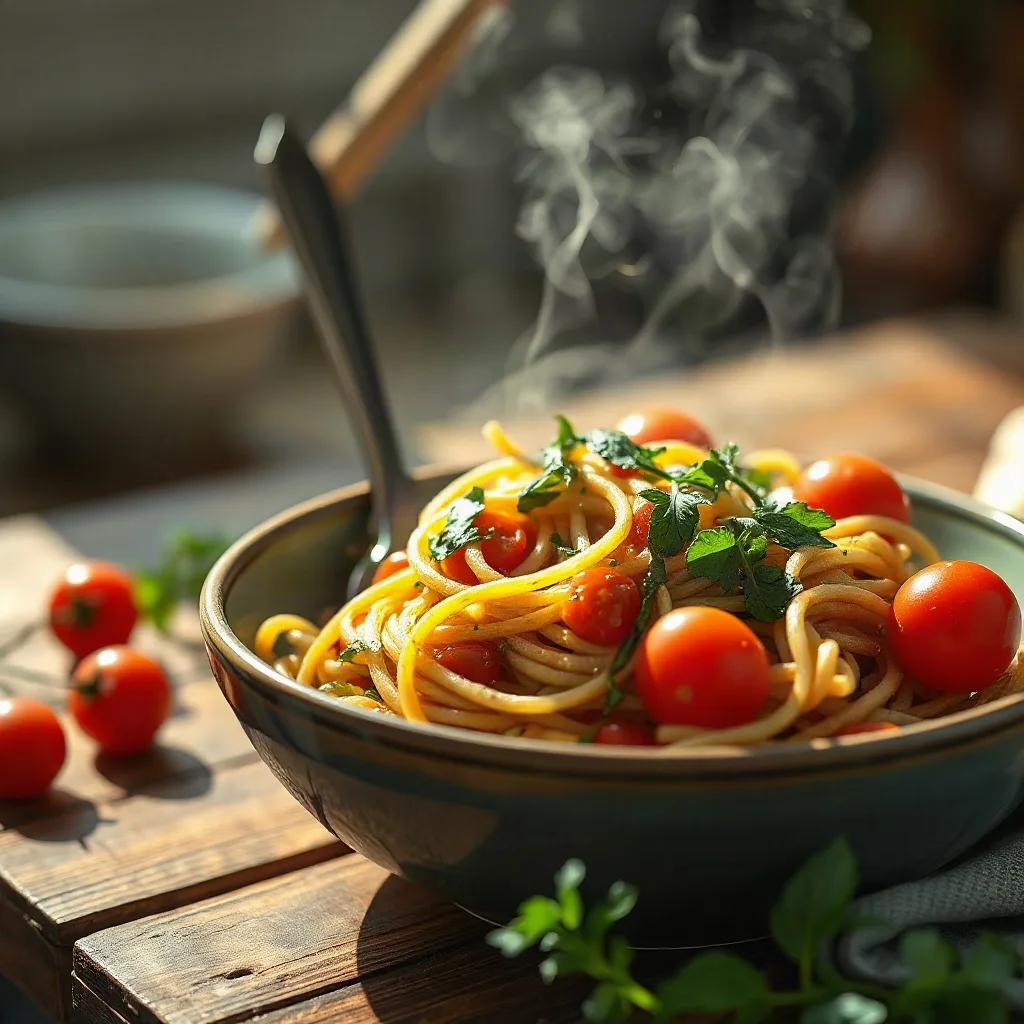
The landscape of the pasta aisle has shifted dramatically over the past decade. What began as a niche market for gluten-free shoppers has transformed into a culinary revolution, with veggie-based noodles taking center stage. If you have been loyal to a specific brand of chickpea, lentil, or cauliflower pasta, you are likely already aware of the texture improvements that have occurred. However, recent innovations in production methods and ingredient sourcing have pushed these products to a new level of quality, making them nearly indistinguishable from traditional semolina pasta.
Key takeaways
- Cook pasta in less water than traditional wheat noodles to create a starchy base that helps your sauce emulsify.
- Use a cold-shock technique by submerging noodles in ice water after boiling to maintain integrity for cold pasta salads.
- Transition to high-fiber legume noodles gradually by mixing them with semolina pasta to prevent digestive bloating.
- Reheat leftovers using a steam-revival method in a skillet rather than a microwave to maintain proper noodle elasticity.
The Evolution of Texture and Mouthfeel
The primary critique of early-generation veggie noodles was their tendency to become mushy or disintegrate when boiled. Manufacturers have invested heavily in refining the extrusion process, which is the mechanical method of pushing dough through a die to create shapes like rotini or penne. By adjusting the moisture content and utilizing cold-extrusion techniques, brands are now achieving a “dente” texture that maintains its integrity even after being tossed in sauce. This development is crucial for home cooks who want to meal prep without the risk of their noodles turning into a paste by the second day.
Understanding the New Ingredient Profiles
The latest iteration of your favorite veggie noodle brand likely features a more sophisticated blend of flours. While original versions often relied solely on one legume—leading to a strong, earthy flavor—the new standard involves combining ingredients like pea protein, tapioca starch, and lentil flour to balance taste and structure. Tapioca starch, in particular, has become a game-changer, providing the elasticity that plant-based flours lack. This balance ensures that the noodles do not just taste like vegetables but actually perform like pasta, absorbing sauces and holding onto spices effectively.
Nutritional Density Beyond the Basics
One of the most significant upgrades in the veggie noodle category is the transparency and depth of the nutrition labels. Many brands have moved beyond simply “hiding” veggies in flour. They are now focusing on the bioavailability of nutrients. By incorporating ingredients like sun-dried tomatoes, spinach powder, or even roasted butternut squash in higher concentrations, these products are providing a more substantial dose of fiber and plant-based protein per serving. This makes them a functional tool for those looking to increase their daily vegetable intake without drastically altering their favorite comfort food recipes.
The Sustainability Shift in Manufacturing
It is not just the noodles that have improved; it is the entire supply chain. Many of the leading veggie noodle brands have transitioned to regenerative agricultural practices to source their legumes and vegetables. This shift focuses on soil health, water conservation, and carbon sequestration. When you choose brands that prioritize these methods, you are supporting a food system that is more resilient. Furthermore, the industry has seen a massive reduction in plastic-heavy packaging, with many companies moving toward fully compostable or infinitely recyclable paper-based boxes.
Cooking Techniques for Perfect Results
Even with improved quality, veggie noodles still require a slightly different approach than traditional wheat pasta. To get the best results, skip the massive pot of boiling water. Use a wider, shallower pan and slightly less water than you would for semolina pasta. This increases the starch concentration in the cooking water, which helps emulsify your sauce. Additionally, aim for the lower end of the recommended cooking time on the package. Because these noodles are often denser, they continue to cook for a minute or two after being drained, especially if they are added directly to a hot pan of marinara or pesto.
Pairing Strategies for Enhanced Flavor
Because veggie noodles often have a distinct flavor profile—ranging from nutty to slightly sweet—they pair best with specific types of sauces. Lentil-based noodles, for instance, have a robust, earthy quality that shines when paired with hearty, slow-cooked meat sauces or rich, creamy mushroom ragus. Conversely, chickpea-based noodles are more neutral and work exceptionally well with bright, acidic sauces like lemon-herb vinaigrettes or fresh tomato-basil sauces. Experimenting with these pairings allows you to treat the noodles as a foundational ingredient rather than just a “healthier” substitute.
Cost-Effectiveness and Bulk Buying
While veggie noodles were once priced as a premium health food, economies of scale have brought prices down significantly. Many brands now offer bulk sizing, which is ideal for families or individuals who eat pasta multiple times a week. By purchasing these products in larger quantities, you can lower the cost per serving, making it a sustainable choice for your budget as well as your body. Keep an eye out for online subscription services or warehouse club options, which frequently feature these upgraded versions at a fraction of the cost found in boutique grocery stores.
Optimizing Water Chemistry and Salinity
While the standard advice is to use less water, the chemistry of that water also plays a pivotal role in the final texture of legume-based pasta. Because chickpea and lentil flours are highly sensitive to mineral content, the hardness of your tap water can actually affect the cooking time. In regions with “hard” water, the high calcium content can toughen the protein structure of the noodle, potentially leading to a gritty mouthfeel. To mitigate this, consider adding a pinch of baking soda—no more than an eighth of a teaspoon—to your boiling water. This slightly alkaline environment helps to soften the proteins and ensures a smoother, more uniform cook. Additionally, be mindful of when you add your salt. Unlike traditional wheat pasta, which benefits from heavy salting at the start, legume noodles can sometimes absorb too much sodium if salted early, which can mask the subtle, nutty flavor of the base flour. Add your salt only when the water has returned to a rolling boil, just seconds before dropping the noodles in.
The Art of the “Cold-Shock” for Salad Applications
One of the most persistent myths is that veggie noodles are strictly for hot, saucy dishes. In reality, modern iterations hold up surprisingly well in cold pasta salads, provided you employ a “cold-shock” technique immediately after draining. Once your timer hits the al dente mark, drain the noodles and immediately submerge them in a bowl of ice water for exactly thirty seconds. This stops the residual internal heat from continuing to cook the legume starches, which is the primary cause of the gummy texture often reported in cold applications. After the shock, pat the noodles dry with a lint-free towel and toss them immediately with a high-quality olive oil or a citrus-based dressing. The oil coats the starch molecules, preventing them from bonding with one another as they cool, ensuring that your pasta salad maintains distinct, separate noodles rather than a clumped mass.
Advanced Sauce Emulsification Strategies
Because veggie noodles lack the gluten network of wheat pasta, they don’t “release” as much starch into the sauce as traditional noodles. To compensate, you must manually introduce a binding agent to achieve that silky, cohesive restaurant-style finish. The most effective method is the “emulsion finish.” Before draining your noodles, reserve at least one full cup of the cooking water. In a separate skillet, bring your chosen sauce to a simmer and add a small knob of cold butter or a splash of heavy cream. As you incorporate the drained noodles, slowly add the reserved starchy water while vigorously tossing the pan. The agitation combined with the fat and the legume starches creates a stable emulsion that clings to the textured surface of the pasta, effectively bridging the gap between the noodle and the sauce.
Navigating the “Protein-Fiber” Bloat Factor
For those transitioning from wheat to high-protein, high-fiber veggie noodles, the digestive adjustment period is a real consideration. Legume-based pastas are significantly denser in complex carbohydrates and resistant starches, which can cause temporary bloating if consumed in large portions without proper hydration. A practical strategy is the “blending method.” For your first few meals, mix a 50/50 ratio of traditional semolina pasta with your chosen veggie noodle. This allows your digestive system to acclimate to the increased fiber content gradually while still enjoying the benefits of the nutrient-dense alternative. Furthermore, ensure you are drinking an extra glass of water with these meals; the fiber in chickpea and lentil flours requires adequate fluid to move through the digestive tract efficiently, preventing the discomfort that leads many to prematurely abandon these healthier alternatives.
Troubleshooting Common Extrusion Failures
You may occasionally encounter a batch of veggie noodles that seems to break apart or “shatter” during the boiling process. This is rarely a sign of poor quality, but rather an indicator of a change in atmospheric moisture or storage conditions. High-protein flours are hygroscopic, meaning they absorb moisture from the air. If your pantry is humid, the noodles may have softened slightly before cooking, making them brittle. To revive them, try a “dry roast” technique: place the raw, dry noodles in a cold, heavy-bottomed skillet over medium-low heat for three to four minutes, tossing frequently until they are fragrant and slightly darkened. This process reinforces the protein structure and removes excess moisture. Once they have cooled, proceed to boil them as normal. This simple pre-treatment can save a box of noodles that might otherwise have turned to mush in the pot.
Strategic Storage for Maximum Shelf Life
While the box might indicate a long shelf life, the integrity of veggie noodles is highly dependent on how they are stored once the package is opened. Because these products contain more natural oils (especially those made from chickpeas or lentils) than dry wheat pasta, they are more susceptible to becoming rancid over time if exposed to oxygen. After opening, transfer any remaining noodles into an airtight glass jar or a vacuum-sealed bag. Store this container in a cool, dark, and dry environment—avoid placing them in cabinets near the oven or dishwasher, where heat fluctuations can accelerate the degradation of the legume proteins. If you live in a particularly humid climate, storing the sealed container in the refrigerator can extend the freshness of the noodles by several months, ensuring that the flavor remains clean and the texture stays firm right down to the last handful in the box.
The “Second-Day” Reheating Protocol
Reheating veggie noodles often presents a challenge because the high-protein content can cause the noodles to become rubbery when exposed to direct microwave heat. To enjoy your leftovers with the same quality as the first night, avoid the microwave entirely. Instead, use the “steam-revival” method. Place your leftovers in a non-stick skillet over medium heat and add one tablespoon of water for every cup of pasta. Cover the skillet with a tight-fitting lid and let the steam gently rehydrate the noodles for two to three minutes. The moisture will soften the exterior of the noodles without overcooking the core. Once the water has evaporated, add a tiny splash of oil or a fresh drizzle of sauce to refresh the flavor profile. This method restores the elasticity of the pasta, making it nearly impossible to distinguish from a freshly cooked batch.
Frequently Asked Questions
Do veggie noodles contain the same amount of vitamins as fresh vegetables? While veggie noodles are an excellent way to incorporate extra fiber and protein, they should be viewed as a supplement to, not a replacement for, whole fresh vegetables. The processing required to create the noodle can reduce some heat-sensitive vitamins, so continue to pair your pasta with fresh sautéed greens or roasted vegetables.
Why do my veggie noodles foam up when boiling? The foaming is caused by the higher protein and starch content in legume-based flours. This is completely normal and not a sign of poor quality. To prevent a mess on your stovetop, simply add a teaspoon of olive oil to the water or use a slightly larger pot than you think you need to allow for the expansion of the bubbles.
Are these noodles suitable for all gluten-free diets? Most veggie noodles are naturally gluten-free, but it is essential to check the label for “certified gluten-free” status. Some brands share manufacturing facilities with wheat-based products, which can lead to cross-contamination. Always look for the seal if you have celiac disease or severe gluten sensitivity.
How do I prevent the noodles from sticking together? Because of the high starch content, these noodles can become sticky quickly. The best method is to have your sauce ready to go before the pasta is done. Drain the pasta and immediately toss it into the sauce, adding a splash of the starchy cooking water to help everything bind together. Avoid rinsing the noodles, as you want the starch to remain on the surface to help the sauce adhere.
Can I freeze cooked veggie noodles for meal prep? You can, but with a caveat. Veggie noodles tend to absorb liquid differently than wheat pasta. If you plan to freeze them, it is best to cook them until they are slightly under-done (al dente) and freeze them in a container without sauce. When you are ready to eat, reheat them directly in a simmering sauce, which will hydrate them perfectly and prevent them from becoming mushy.
Related posts:
 The One-Pot Pasta Recipe That Will Revolutionize Your Weeknights
 Perfect Somen Noodles Recipe
 Zoodle Magic: The 10-Minute Spiralized Recipe That Changed Everything
 Healthiest Gluten-Free Pasta Options
 Magic Avocado Sauce Recipe
 Perfect Somen Noodles Recipe
 Easy Instant Pot Pasta
 These Ready-to-Cook Zoodles and Veggie Noodles Are a Dinner Game-Changer