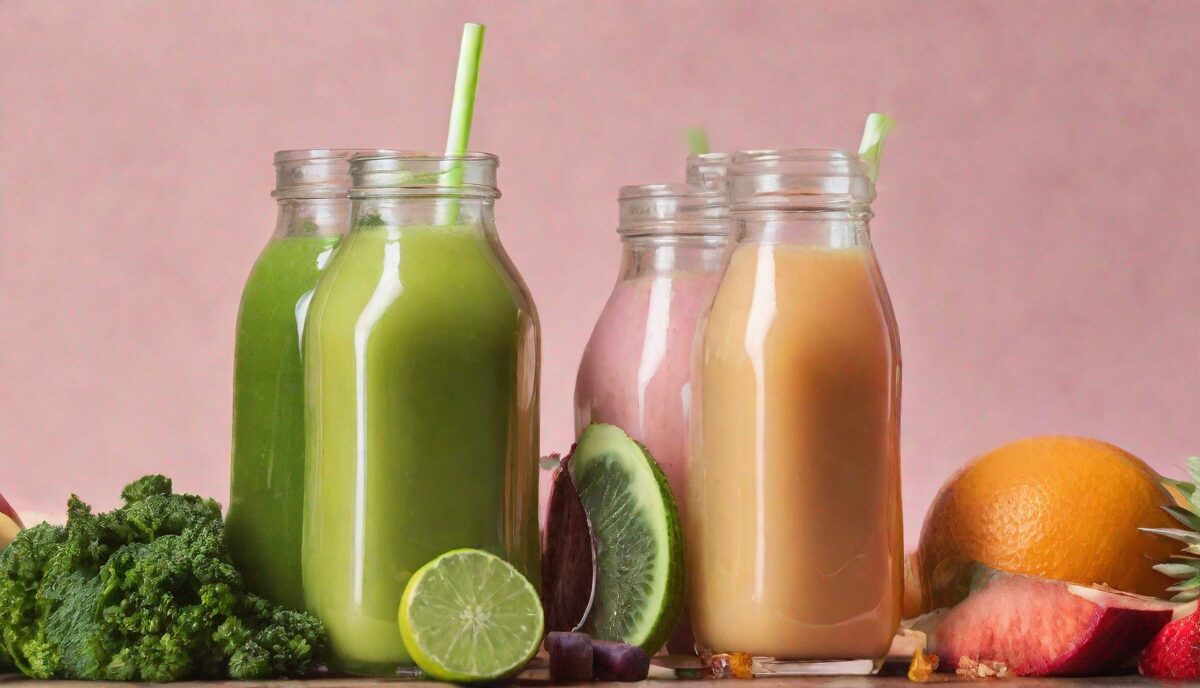
Introduction to Ayurveda and Doshas
Ayurveda is an ancient natural healing system developed in India that classifies humans into three doshas based on body type and personality: Vata, Pitta, and Kapha. Each dosha has its own characteristics and requires particular types of foods, exercises, and lifestyle habits to stay balanced and healthy.
Key takeaways
- Eliminate caffeine, sugar, and alcohol three to five days before a cleanse to prepare the body and nervous system.
- Choose warming juices for Vata, cooling ingredients for Pitta, and light, spicy vegetables to stimulate Kapha’s digestion.
- Consume juices at room temperature and chew the liquid to mix it with saliva, preserving the body’s digestive fire.
- Align cleanses with the seasons, such as spring for Kapha, to ensure the body’s natural rhythms support detoxification.
- Incorporate daily rituals like tongue scraping and oil massage to help eliminate toxins mobilized during the juice fast.
Understanding Your Dosha
To determine your Ayurvedic dosha, consider whether you tend more towards the light, airy, dry Vata; the moderate, fiery, intense Pitta; or the heavy, cool, moist Kapha. Once you identify your dominant dosha, you can choose foods, activities, and cleansing practices best suited for it.
Vata Juice Cleanse Recommendations
Vatas tend to have variable digestion and benefit from warm, nourishing, easy-to-digest foods and liquids. Some great juice cleanse options for Vata include:
- Carrot, beet, ginger juice to stimulate Agni digestion
- Warming spices like cinnamon, cardamom, nutmeg
- Sweet fruits like mangoes, berries, sweet oranges
- Coconut water for hydration
Pitta Juice Cleanse Recommendations
Pittas have a strong digestion but can overheat. Cooling, anti-inflammatory juices help balance excess Pitta. Great options include:
- Fruits like apples, pears, grapes, melons, berries
- Leafy greens like kale, spinach, parsley
- Cucumber, mint, fennel
- Aloe vera juice
Kapha Juice Cleanse Recommendations
To counter sluggish digestion and weight gain tendencies, Kaphas need light, drying, stimulating foods and liquids like:
- Warm lemon water
- Apple cider vinegar
- Spicy veggies like radishes, hot peppers
- Kitchari broth
Doing a Juice Cleanse
When doing a juice cleanse tailored for your dosha:
- Drink juices slowly on an empty stomach
- Include soups/broths for nourishment
- Get plenty of rest
- Do light yoga and walking to stimulate digestion and elimination
Preparing the Vessel: Pre-Cleanse Protocols for Every Constitution
Before the first drop of juice touches your palate, the body must undergo a phase known in Ayurveda as Purva Karma, or preparatory actions. Forcing a sudden shift from a standard diet to a liquid-only regimen can shock the nervous system, particularly for the sensitive Vata constitution. A successful cleanse begins three to five days before the actual fast by gradually tapering off ‘Rajasic’ (stimulating) and ‘Tamasic’ (heaviness-inducing) substances. This includes caffeine, refined sugars, alcohol, and heavy meats. For a Vata individual, this transition should be slow and grounded, incorporating more cooked grains and healthy fats like ghee to coat the digestive tract. A Pitta individual should focus on reducing spicy and fermented foods, which can predispose the gut to acidity once the fiber is removed. Kaphas, who often struggle with the ‘attachment’ to food, benefit from reducing dairy and heavy oils during this window to begin lightening the body’s load.
During this preparatory phase, hydration is paramount, but it must be functional. Instead of iced water, which can dampen the Agni (digestive fire), Ayurveda recommends sipping warm water throughout the day. This simple practice begins to soften ‘Ama’—the sticky, undigested metabolic waste—making it easier for the upcoming juice cleanse to flush these toxins from the tissues. For Vata types, adding a pinch of mineral salt to this water helps with electrolyte balance. Pittas can add a slice of cucumber or a few rose petals to keep the internal heat in check, while Kaphas benefit from a squeeze of lemon and a pinch of black pepper to begin mobilizing stagnant lymph. By the time the cleanse officially starts, the body is not in a state of crisis but in a state of readiness.
Seasonal Synchronization: Timing Your Cleanse with Ritu Sandhi
Ayurveda emphasizes that the timing of a cleanse is just as important as the ingredients. The most potent times for detoxification are during ‘Ritu Sandhi,’ the seven days before and after the change of seasons. However, each dosha has a ‘goldilocks’ season for cleansing. For Kapha, the ideal time is late winter into early spring. As the snow melts in nature, the ‘Kapha’ in the body—manifesting as mucus and congestion—also begins to liquefy. A juice cleanse during this time mimics the natural world’s shedding of winter weight. Conversely, a Vata individual should be extremely cautious about cleansing in the late autumn or peak winter. Because Vata is cold and dry by nature, a cold juice fast during a cold season can lead to severe depletion, insomnia, and joint stiffness. If a Vata must cleanse in winter, the juices must be served at room temperature and heavily spiced with warming aromatics.
Pitta types find their best cleansing window in the transition from late summer to early autumn. This is when the heat of the summer has accumulated in the blood and liver, often manifesting as skin rashes, irritability, or inflammation. A cooling juice cleanse at this juncture acts as a literal internal fire extinguisher. It is important to note that a juice cleanse should never be performed during the peak of a woman’s menstrual cycle or during periods of extreme physical or emotional trauma. During these times, the body needs ‘Brimhana’ (nourishing, building therapy) rather than ‘Langhana’ (lightening, reducing therapy). By aligning your cleanse with the macro-rhythms of nature, you ensure that the body’s innate intelligence is working with you rather than against you.
Enhancing Bioavailability: Ayurvedic Superfoods and Herbal Additives
To elevate a standard juice cleanse into a therapeutic Ayurvedic experience, one must consider the addition of specific ‘Anupanas’—vehicles that carry nutrients deeper into the tissues (Dhatus). While the existing recommendations provide a solid base, adding powdered Ayurvedic herbs can target specific physiological needs. For the Vata-balancing juice, adding a half-teaspoon of Ashwagandha can help stabilize the nervous system, preventing the ‘jittery’ feeling that sometimes accompanies a lack of solid food. Since Vatas are prone to gas, adding a drop of ginger juice or a pinch of Hing (asafoetida) to their vegetable blends can prevent the fermentation of sugars in the gut.
Pittas can benefit immensely from adding Shatavari or Amalaki (Indian Gooseberry) to their green juices. Amalaki is one of the highest sources of heat-stable Vitamin C and is unique because it clears excess heat without aggravating the digestive fire. Adding a teaspoon of liquid Aloe Vera to a Pitta’s cucumber and mint juice provides a soothing coating for the intestinal lining, which is often prone to inflammation during a detox. For the Kapha constitution, the goal is ‘Lekhana,’ or a scraping action. Adding Trikatu (a blend of black pepper, long pepper, and ginger) or a dash of Turmeric and Shilajit to their juices can help break down stubborn adipose tissue and move stagnant lymph. These additions ensure that the cleanse is not just a caloric deficit, but a targeted herbal intervention.
Navigating the Detox Crisis: Dosha-Specific Withdrawal Symptoms
As the body begins to mobilize toxins, it is common to experience a ‘healing crisis.’ Understanding how your specific dosha reacts to detoxification can prevent you from abandoning the cleanse prematurely. Vata types often experience the detox crisis through the nervous system. Common symptoms include heightened anxiety, lightheadedness, or ‘spacey’ feelings. If this occurs, the Vata individual should stop drinking cold juices and switch to a warm, strained vegetable broth or add a teaspoon of coconut oil to their juice to provide necessary grounding fats. Rest is non-negotiable for Vata during a cleanse; they should avoid high-stimulus environments like loud movies or crowded malls.
Pitta types typically experience ‘detox rage’ or ‘detox hunger.’ When a Pitta’s sharp Agni has nothing to digest, it can turn upward, leading to irritability, sharp headaches at the temples, or acid reflux. To manage this, Pittas should ensure they are not going too long between juices and may benefit from a ‘monomeal’ of a sweet fruit like a pear if the acidity becomes too intense. Kaphas, on the other hand, usually face physical lethargy and a sense of ‘brain fog’ as the heavy toxins move into the bloodstream. They may also experience temporary congestion or a coated tongue. For Kapha, the remedy is movement. While Vata needs to lie down, Kapha needs a brisk walk or a session of ‘Kapalabhati’ (breath of fire) to help pump the lymphatic system and clear the mental haze.
Beyond the Bottle: Holistic Rituals to Support Cellular Renewal
A juice cleanse is only 50% about what you drink; the other 50% is about how you assist the body in eliminating what the juices have mobilized. Ayurveda offers several ‘Dinacharya’ (daily routine) practices that are essential during a cleanse. Tongue scraping every morning is vital; during a fast, the tongue often develops a thick coating which is a direct reflection of the toxins being processed in the digestive tract. Removing this coating prevents the re-absorption of waste. Another critical practice is Abhyanga, or Ayurvedic oil massage. For Vata, use warm sesame oil; for Pitta, use coconut or sunflower oil; and for Kapha, use a light mustard oil or dry brushing with silk gloves (Garshana). This practice stimulates the skin—our largest organ of elimination—and helps move toxins toward the central digestive tract for expulsion.
Furthermore, incorporating ‘Nasya’ (nasal oiling) can be particularly beneficial during a cleanse to clear the mental channels. A drop of Brahmi oil in each nostril can help soothe the mind and improve clarity, which is often a goal of fasting. For those experiencing significant digestive stagnation during the cleanse, a mild herbal laxative like Triphala taken before bed can ensure that the ‘Malas’ (wastes) are actually leaving the body. Without regular bowel movements, the toxins mobilized by the juices will simply recirculate, leading to the very fatigue and skin breakouts you are trying to avoid. These rituals transform the cleanse from a dietary restriction into a comprehensive somatic reset.</n
The Role of Agni: Maintaining Digestive Fire During Liquid Fasting
One of the biggest critiques of juice cleansing in Ayurveda is the potential to ‘extinguish’ the Agni. Digestive fire is like a physical flame; if you throw too much cold liquid on it, the flame goes out, leading to ‘Mandagni’ (slow digestion) and the creation of more Ama once you resume eating. To prevent this, the juices should never be consumed straight from the refrigerator. Allow them to reach room temperature, or even better, place the glass in a bowl of warm water to take the chill off. This is especially crucial for Vata and Kapha types, who already have a tendency toward coldness.
To keep the Agni ‘flickering’ without giving it heavy work, one can practice ‘Deepana’ (kindling). Sipping a small amount of ginger tea thirty minutes before a juice can prime the enzymes for nutrient absorption. Additionally, the act of ‘chewing’ your juice is a secret Ayurvedic technique. Even though the liquid is smooth, mixing it with saliva—which contains essential digestive enzymes like amylase—starts the digestive process in the mouth. This signals the stomach and pancreas to prepare for the incoming nutrients. By respecting the Agni, you ensure that the nutrients in the juice are actually converted into ‘Ojas’ (vitality and immunity) rather than becoming more undigested waste.
FAQ
What is Ayurveda?
Ayurveda is a traditional healing system from India that uses natural treatments like herbal remedies, yoga, massage, and dietary and lifestyle changes to promote health and wellbeing.
How do I know my Ayurvedic dosha?
Take a dosha quiz to help determine if you tend towards Vata (air/space), Pitta (fire), or Kapha (water/earth). Your physical characteristics, personality traits and habits provide clues.
What is the benefit of a juice cleanse?
Juice cleanses give digestion a rest by supplying easily absorbable nutrients from cold-pressed juices. This allows energy usually spent on digestion to go towards detoxification and healing.
Can I exercise during dosha juice cleanse?
Light exercise like walking, gentle yoga, is fine during shorter cleanses. More intense exercise can wait until you return to regular meals so your body has proper fuel.
How long should a dosha juice cleanse last?
It’s best to start with 1-3 day cleanses, then gradually increase to 5-7 days max as you get more experienced. Extended fasts without proper support can be risky.
Related posts:
 The Ayurvedic Guide to Optimal Eating Frequency
 Ancient Beauty Secrets: The Ayurvedic Hair Mask Recipe That Delivers Results
 Filling Foods in Ayurveda
 Deepak Chopra On The Power Of Ayurveda For Perfect Health
 Take This Quiz To Find Out Your Ayurvedic Dosha
 Ancient Ayurvedic Wisdom for Modern Stress Relief
 Recipe: This Ayurvedic Stew Is the Dish Govind Das Says Every Yogi Should Be Eating
 Ayurvedic Tips for Better Balance