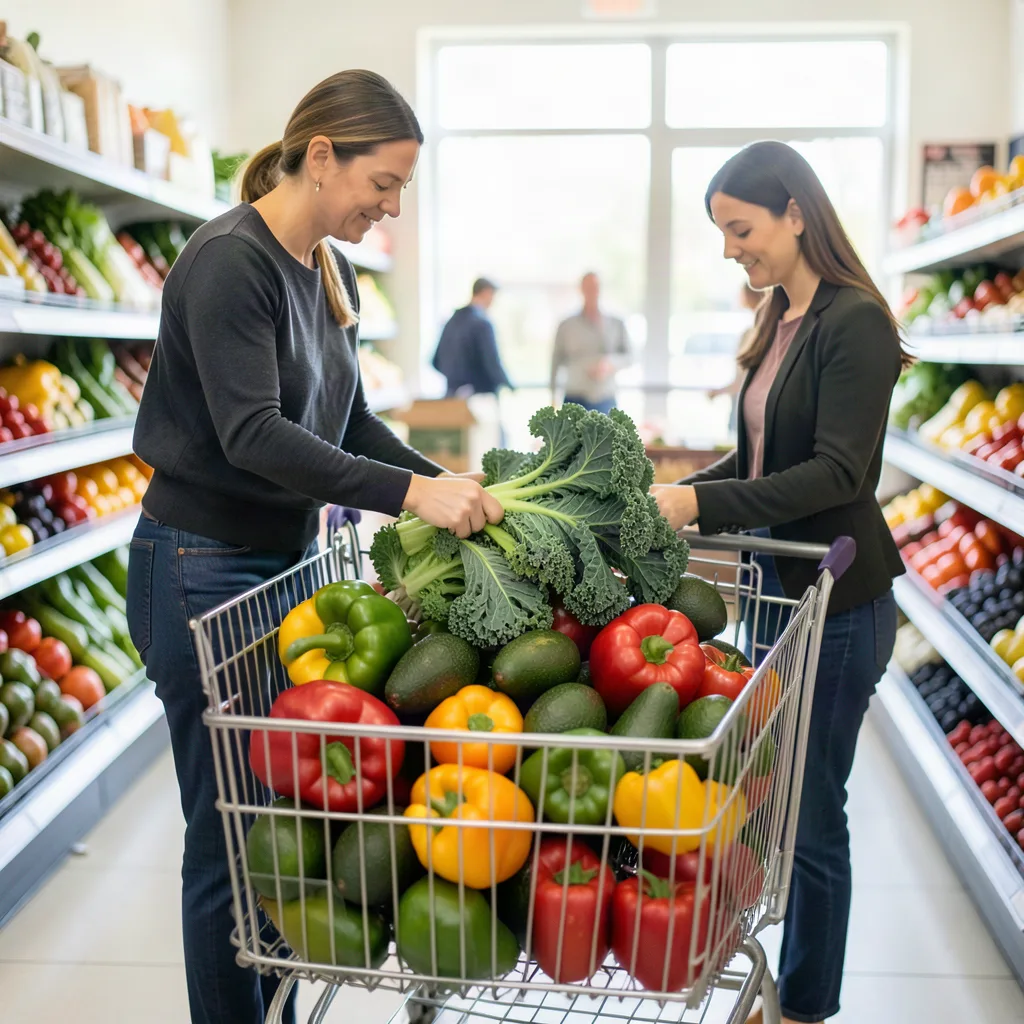
Walking the aisles of Kroger can feel like a treasure hunt when you know which items to trade for healthier versions. Small, intentional swaps keep meals familiar while cutting excess sugar, sodium, and refined carbs. This guide walks you through eight everyday categories, shows real‑world examples you can find on the shelf, and gives you a quick checklist for each shopping trip.
Key takeaways
- Replace boxed cereal with overnight oats to increase fiber and reduce sugar for about $0.70 per serving.
- Swap deli meats for shredded rotisserie chicken to avoid nitrates and significantly lower daily sodium intake.
- Use plain Greek yogurt as a base for dressings to add protein while cutting calories and fat.
- Opt for whole-grain or vegetable noodles to increase nutrient density and maintain stable blood sugar levels.
- Check nutrition labels for % Daily Value; 5% or less is low, while 20% or more is high.
Why Small Swaps Matter
Research consistently shows that incremental changes are more sustainable than dramatic overhauls. When you replace one ingredient at a time, your palate adjusts gradually, reducing the chance of cravings or feeling deprived. A 2022 study in the Journal of Nutrition found that participants who made three targeted swaps per week lost more weight over six months than those who attempted a complete diet reset. At Kroger, the layout makes it easy to spot alternatives side by side, so you can compare nutrition labels in real time. Start by identifying the three items you buy most often—perhaps a boxed cereal, a bag of chips, and a bottle of soda. Write them down, then look for the healthier counterpart on the same shelf. This habit builds awareness without adding extra time to your trip.
Breakfast: Cereal to Overnight Oats
Many boxed cereals hide added sugars and refined grains behind bright packaging. A single serving can contain 12 grams of sugar, while a bowl of overnight oats made with rolled oats, unsweetened almond milk, chia seeds, and fresh berries delivers fiber, protein, and natural sweetness. At Kroger, the Simple Truth Organic Rolled Oats sit next to the cereal aisle, and the store brand almond milk is often less than $2 per quart. To prep, combine half a cup oats, three‑quarters cup milk, one tablespoon chia, and a handful of berries in a jar. Refrigerate overnight. In the morning you have a ready‑to‑eat breakfast that costs roughly $0.70 per serving versus $1.20 for a name‑brand cereal. Add a drizzle of honey or a sprinkle of cinnamon if you prefer extra flavor.
Snack Aisle: Chips to Roasted Chickpeas
Potato chips are a classic crunch, but a 1‑ounce serving packs 150 calories, 10 grams of fat, and 180 milligrams of sodium. Roasted chickpeas offer a similar texture with 6 grams of protein, 5 grams of fiber, and half the sodium. Kroger’s private‑label roasted chickpeas come in sea‑salt, barbecue, and spicy sriracha flavors. If you prefer DIY, grab a can of low‑sodium chickpeas, rinse, pat dry, toss with a teaspoon olive oil and your favorite spice blend, then bake at 400°F for 20‑25 minutes, shaking halfway. A batch yields about four servings and costs under $1.50 total. Keep a portion in a reusable container for work or school snacks.
Lunch: Deli Meats to Rotisserie Chicken
Pre‑sliced deli turkey or ham often contains nitrates, added sodium, and fillers. A 2‑ounce portion can exceed 500 milligrams of sodium. Kroger’s rotisserie chicken, sold whole for under $6, provides lean protein with minimal additives. Shred the meat, store in portioned containers, and use throughout the week for salads, wraps, or grain bowls. One chicken yields roughly 4 cups of shredded meat, enough for eight lunches. Pair with whole‑grain tortillas, mixed greens, and a Greek‑yogurt based dressing for a balanced meal. The cost per serving drops to about $0.75, far less than $2‑$3 for packaged deli slices.
Dinner: Pasta to Whole‑Grain or Veggie Noodles
Traditional white pasta spikes blood sugar quickly because it’s made from refined flour. Whole‑grain spaghetti adds 6 grams of fiber per serving, while spiralized zucchini or sweet‑potato noodles cut carbs by half and add vitamins A and C. Kroger stocks Barilla Whole Grain, Simple Truth Organic Whole Wheat, and a fresh‑prepped veggie noodle kit in the produce section. For a quick weeknight dinner, sauté garlic, cherry tomatoes, and spinach in olive oil, toss with cooked whole‑grain pasta, and finish with a sprinkle of Parmesan. If using veggie noodles, skip the boiling step—just heat them in the sauce for two minutes. Both options keep the comforting pasta experience while improving nutrient density.
Condiments: Creamy Dressings to Greek Yogurt‑Based Sauces
Ranch, Caesar, and blue‑cheese dressings can add 120 calories and 13 grams of fat per two‑tablespoon serving. A simple swap uses plain non‑fat Greek yogurt as a base. Mix one cup yogurt with lemon juice, minced garlic, dill, and a pinch of salt for a ranch‑style dip that delivers 20 grams of protein and only 2 grams of fat per quarter cup. Kroger’s store brand Greek yogurt is often $0.90 per 32‑ounce tub. Use the sauce on salads, as a sandwich spread, or as a dip for raw veggies. For a Caesar twist, blend yogurt with anchovy paste, Dijon mustard, and a touch of Parmesan. The flavor stays rich while the nutrition profile flips dramatically.
Beverages: Sugary Drinks to Infused Water
A 20‑ounce soda contains 65 grams of added sugar—more than the daily limit recommended by the American Heart Association. Infused water provides hydration with zero calories and a burst of natural flavor. Keep a pitcher in the fridge with slices of cucumber, lemon, mint, or berries. Kroger sells bulk citrus and herb bundles for under $3, enough for a week of infusions. If you crave fizz, try the store brand sparkling water and add a splash of 100% fruit juice (no more than 2 tablespoons) for a light spritzer. This habit reduces sugar intake by up to 150 calories per day without feeling like a sacrifice.
Dessert: Ice Cream to Frozen Yogurt or Fruit Sorbet
Premium ice cream can pack 250 calories and 14 grams of saturated fat per half‑cup. Frozen yogurt, especially the low‑fat varieties, cuts saturated fat by roughly 70% while still delivering a creamy texture. Kroger’s Simple Truth Frozen Yogurt line offers vanilla, chocolate, and mixed‑berry flavors at $3.99 per pint. For an even lighter option, blend frozen mango, banana, and a splash of coconut water in a food processor for a one‑ingredient sorbet. Portion into single‑serve cups and freeze. Both alternatives satisfy the sweet tooth and keep the dessert ritual intact.
Frequently Asked Questions
- How do I read nutrition labels quickly at Kroger?
- Focus on three numbers: serving size, added sugars, and sodium. Use the % Daily Value column—5% or less is low, 20% or more is high. The store’s shelf tags often highlight ‘Low Sodium’ or ‘No Added Sugar’ icons for fast scanning.
- Are store‑brand products as nutritious as name brands?
- In most cases, yes. Kroger’s Simple Truth and Private Selection lines follow the same FDA labeling rules. Compare the ingredient list; if the first three items are whole foods rather than syrups or refined oils, the product is a solid choice.
- Can I make these swaps on a tight budget?
- Absolutely. Bulk oats, dried beans, frozen vegetables, and store‑brand yogurt are among the cheapest items per nutrient. Planning meals around these staples keeps the weekly grocery bill under $70 for a family of four.
- What if my family resists new textures?
- Introduce one swap at a time and pair it with a familiar flavor. For example, mix half regular pasta with half whole‑grain pasta, or blend a spoonful of Greek yogurt into a favorite ranch dip. Gradual exposure reduces pushback.
- Do these swaps work for special diets like gluten‑free or vegan?
- Many of the suggested alternatives—overnight oats, roasted chickpeas, veggie noodles, Greek yogurt (or plant‑based yogurt), and fruit sorbet—are naturally gluten‑free or have vegan versions. Check the label for certification if cross‑contamination is a concern.
Related posts:
 Kroger’s Plastic Bag Ban Initiative
 High-Protein Foods That Pack a Serious Nutritional Punch
 Is Peanut Butter Actually a Healthy Snack?
 The Overnight Oats Recipe That Changed Everything for the Lactose Intolerant
 Healthy Canned Foods Worth Stocking Up On
 The One-Ingredient Swap That Makes Any Salad Dressing Healthier
 Portion vs Serving Size Guide
 Essential Healthy Grocery List