Your Lower Back Pain Deserves Compassion and Care
If you’re experiencing lower back pain, you’re not alone. Millions of people struggle with this common but often debilitating issue. While it’s easy to get frustrated or discouraged, approaching your back pain with compassion and care can make a world of difference. Your body is trying to communicate with you – it’s time to listen with kindness and take gentle action.
This article will explore holistic ways to understand and address lower back pain, focusing on nurturing your wellbeing rather than quick fixes. We’ll look at potential causes, soothing techniques, and lifestyle adjustments to help you and your lower back find relief and harmony.
Understanding the Language of Your Lower Back
Your lower back pain isn’t just a nuisance – it’s a message. Like any form of bodily discomfort, back pain is your body’s way of alerting you that something needs attention. Common causes of lower back pain include:
- Muscle strain or ligament sprain
- Poor posture and ergonomics
- Lack of physical activity or overexertion
- Stress and emotional tension
- Underlying medical conditions
By approaching your pain with curiosity and compassion, you can begin to decipher what your body is trying to tell you. Are you pushing yourself too hard? Are you carrying emotional burdens? Is your daily routine putting undue stress on your back? Listening to these messages is the first step towards healing.
Gentle Techniques for Soothing Your Lower Back
When your lower back is in pain, it’s calling out for care and attention. Here are some gentle, nurturing techniques to provide comfort and promote healing:
- Mindful stretching: Engage in slow, gentle stretches that focus on the lower back, hips, and hamstrings. Move with intention and breathe deeply.
- Heat therapy: Apply a warm compress or take a warm bath to relax tense muscles and increase blood flow.
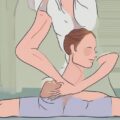
- Massage: Self-massage or professional massage can help release tension and promote relaxation.
- Restorative yoga: Practice gentle yoga poses that support and nurture your lower back, such as Child’s Pose or Supported Bridge Pose.
- Mindfulness meditation: Use guided imagery or body scan meditations to release tension and connect with your body.
Remember, the goal is not to push through pain, but to listen to your body and provide what it needs. Be patient and kind with yourself as you explore these techniques.
Lifestyle Adjustments for Long-Term Back Health
Caring for your lower back isn’t just about addressing pain when it arises – it’s about creating a lifestyle that supports your back health every day. Consider these compassionate adjustments:
- Ergonomic improvements: Set up your workspace to support good posture and reduce strain on your back.
- Regular movement breaks: Incorporate gentle stretching and movement into your daily routine, especially if you sit for long periods.
- Stress management: Practice stress-reduction techniques like deep breathing, journaling, or talking with a trusted friend.
- Balanced exercise: Engage in a mix of strengthening and flexibility exercises, always listening to your body’s limits.
- Nutritious diet: Eat a balanced diet rich in anti-inflammatory foods to support overall body health.
- Quality sleep: Prioritize good sleep hygiene and invest in a supportive mattress and pillows.
Remember, these changes don’t have to be drastic. Small, consistent steps towards a back-friendly lifestyle can make a significant difference over time.
When to Seek Professional Help
While self-care is crucial, there are times when professional help is necessary. Seeking help is not a sign of weakness, but a compassionate act of self-care. Consider consulting a healthcare professional if:
- Your pain persists for more than a few weeks
- The pain is severe or getting worse
- You experience numbness, tingling, or weakness in your legs
- You have difficulty with daily activities due to pain
- You have a history of cancer, osteoporosis, or other medical conditions
A healthcare provider can offer a proper diagnosis and suggest treatments tailored to your specific needs. This might include physical therapy, chiropractic care, acupuncture, or other interventions.
Embracing a Holistic Approach to Back Health
Caring for your lower back isn’t just about physical interventions – it’s about nurturing your whole self. Your emotional and mental wellbeing play a crucial role in your physical health. Consider these holistic approaches:
- Mind-body practices: Explore techniques like tai chi or qigong that promote body awareness and gentle movement.
- Emotional release work: Some believe that emotional tension can manifest as physical pain. Practices like journaling or talking therapy may help release stored emotions.
- Connection with nature: Spending time in nature can reduce stress and promote overall wellbeing, which may in turn benefit your back health.
- Creative expression: Engaging in creative activities you enjoy can reduce stress and shift focus away from pain.
Remember, you are a whole person, not just a set of symptoms. By caring for all aspects of your wellbeing, you support your body’s natural healing abilities.
Frequently Asked Questions
1. How long does it typically take for lower back pain to improve?
The duration of lower back pain can vary greatly depending on the cause and individual factors. Many cases of acute lower back pain improve within a few days to a few weeks with proper self-care. However, if pain persists beyond 4-6 weeks, it’s considered chronic and may require professional intervention.
2. Can emotional stress cause lower back pain?
Yes, emotional stress can contribute to lower back pain. Stress can cause muscle tension, alter breathing patterns, and affect posture, all of which can lead to or exacerbate back pain. Additionally, stress can lower pain tolerance, making existing pain feel more intense.
3. Is bed rest recommended for lower back pain?
While it was once common to prescribe bed rest for back pain, current research suggests that staying active within your comfort level is generally better for recovery. Short periods of rest may be helpful, but prolonged inactivity can lead to muscle weakness and stiffness, potentially prolonging recovery.
4. Can diet affect lower back pain?
Yes, diet can play a role in back pain. A diet high in inflammatory foods (like processed foods and sugar) may exacerbate inflammation in the body, potentially worsening pain. On the other hand, a diet rich in anti-inflammatory foods (like fruits, vegetables, and omega-3 fatty acids) may help reduce inflammation and support healing.
5. How can I tell if my lower back pain is serious?
While most lower back pain is not serious, there are some red flags to watch for. Seek immediate medical attention if you experience severe pain that doesn’t improve with rest, pain accompanied by fever, loss of bladder or bowel control, numbness or weakness in the legs, or if the pain follows a fall or injury. Always trust your instincts – if you’re concerned, it’s best to consult a healthcare professional.