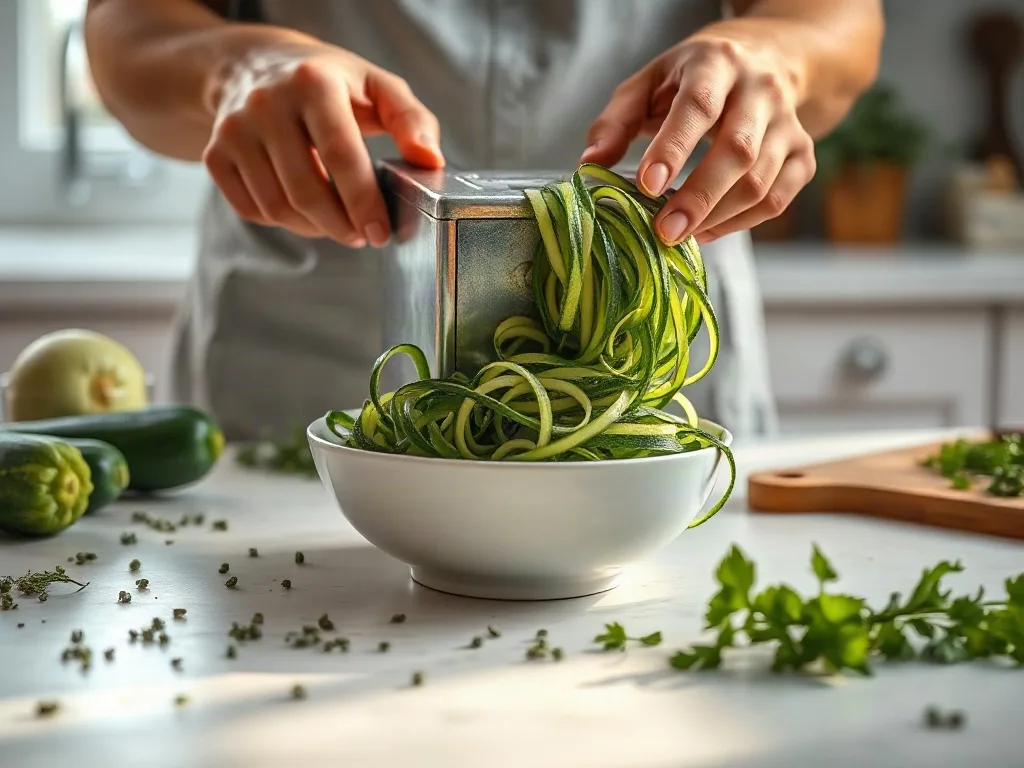
In the fast-paced world of modern nutrition, we are often told that healthy eating requires hours of meal prep, expensive specialty ingredients, and a culinary degree. However, every so often, a simple technique emerges that completely disrupts this narrative. Enter the world of spiralizing—specifically, the 10-minute zoodle. For many, the discovery of zucchini noodles (affectionately known as “zoodles”) isn’t just about finding a low-carb alternative to pasta; it is about reclaiming time, boosting vitality, and falling in love with vegetables in a way that feels indulgent rather than restrictive.
Key takeaways
- Blot spiralized zucchini with paper towels or salt-sweat them to remove excess water before cooking.
- Avoid boiling zoodles; sauté them in a wide skillet over medium-high heat for only 2-3 minutes.
- Store raw zoodles in an airtight container with a paper towel for up to five days.
- Use fat-based sauces like tahini or cream to help flavors cling to the noodles effectively.
The magic of the 10-minute spiralized recipe lies in its versatility. Whether you are a busy parent trying to sneak more greens into a toddler’s diet, a fitness enthusiast looking for a post-workout meal that won’t cause a heavy carb crash, or someone simply looking to lighten up their dinner routine, the zoodle offers a blank canvas. This guide explores how a single vegetable and a simple tool can transform your approach to weeknight cooking, providing you with the technical skills and creative inspiration to master the art of the spiral.
The Evolution of the Zoodle: Why Spiralizing Works
Spiralizing is more than a passing food trend; it is a culinary method that changes the physical structure of vegetables to mimic the satisfying texture of traditional noodles. By turning a dense zucchini into long, thin ribbons, you increase the surface area of the vegetable. This allows sauces to cling more effectively and reduces cooking time to a mere fraction of what is required for grains or legumes. The psychological impact is also significant—eating a large bowl of green ribbons provides the visual and tactile satisfaction of a hearty pasta dish, which helps signal satiety to the brain.
From a nutritional perspective, the shift from flour-based pasta to zucchini is transformative. Traditional pasta is calorie-dense and high in carbohydrates, which can lead to blood sugar spikes and subsequent energy dips. Zucchini, on the other hand, is composed of approximately 95% water. This high water content, combined with essential fibers, helps with hydration and digestive health. By choosing zoodles, you are essentially replacing “empty” calories with a nutrient-dense powerhouse rich in Vitamin C, Vitamin B6, and potassium. This evolution in how we view vegetables allows us to eat larger volumes of food while feeling lighter and more energized.
Choosing the Right Tools: Handheld vs. Countertop Spiralizers
To embark on your zoodle journey, you need the right equipment. The market is flooded with gadgets, but they generally fall into three categories. Understanding which one fits your lifestyle is the first step toward making 10-minute meals a reality. First, there are the handheld spiralizers. These resemble large pencil sharpeners and are ideal for those with limited kitchen space or those who only cook for one. They are inexpensive and easy to clean, though they can be slightly more labor-intensive and leave a larger “core” of the vegetable unused.
Second, the countertop crank spiralizers are the gold standard for efficiency. These devices use a suction-cup base to stay secure on your counter and a hand crank to push the vegetable through various blades. They offer multiple thickness settings—from angel hair to thick pappardelle—and can handle tougher vegetables like sweet potatoes or butternuts. Finally, for the tech-savvy cook, there are electric spiralizers or attachments for stand mixers. These are perfect for large families or batch cooking, as they require almost no physical effort. Regardless of the tool you choose, the goal is the same: to create uniform strands that cook evenly and look beautiful on the plate.
The 10-Minute Signature Recipe: Garlic Parmesan Zoodles
This is the recipe that changed everything. It is the perfect entry point because it relies on pantry staples and highlights the natural sweetness of the zucchini. To begin, you will need two medium zucchinis, two cloves of minced garlic, one tablespoon of high-quality olive oil, a pinch of red pepper flakes, and a generous dusting of freshly grated Parmesan cheese. Start by spiralizing your zucchini into medium-sized noodles. Set them aside on a paper towel to blot away excess moisture—this is a crucial step for texture.
Heat the olive oil in a large skillet over medium-high heat. Add the minced garlic and red pepper flakes, sautéing for just 30 seconds until the garlic becomes fragrant but not brown. Toss in the zoodles. Using tongs, lift and turn the noodles constantly for about 2 to 3 minutes. You are looking for them to become slightly translucent and tender, but still retain a bit of “al dente” snap. Remove the skillet from the heat immediately. Toss with the Parmesan cheese, salt, and black pepper. The residual heat will melt the cheese into a light, silky sauce. Serve immediately. This dish proves that you don’t need a heavy cream sauce to achieve a satisfying, gourmet-level flavor profile.
The Secret to Avoiding Soggy Zoodles
The most common complaint about zucchini noodles is that they can become watery or “mushy.” Because zucchini has such high water content, the salt in your recipe will naturally draw that water out during the cooking process. To prevent your dinner from turning into a soup, you must master the art of moisture control. The first technique is “sweating” the zoodles. After spiralizing, sprinkle the raw noodles with a pinch of salt and let them sit in a colander for 10 minutes. Rinse them quickly with cold water and then squeeze them firmly inside a clean kitchen towel. You will be surprised at how much liquid is released.
The second secret is the cooking time. Many people treat zoodles like traditional pasta and boil them in water. This is a mistake. Boiling saturates the fibers and leads to a limp texture. Instead, always sauté or even air-fry your zoodles. If you are using a heavy sauce, like a Bolognese or a thick pesto, consider not cooking the zoodles at all. Instead, place the raw noodles in a bowl and pour the piping hot sauce directly over them. The heat from the sauce will soften the noodles just enough to be palatable while maintaining a firm, satisfying structure. Finally, never cover the pan with a lid while sautéing, as this traps steam and softens the vegetables prematurely.
Flavor Profiles for Every Palate: Beyond the Basics
Once you have mastered the basic garlic and oil technique, the possibilities are endless. Zoodles are remarkably neutral, meaning they can adapt to almost any global cuisine. For a Thai-inspired dish, whisk together peanut butter, lime juice, soy sauce (or coconut aminos), and a dash of Sriracha. Toss this with raw zoodles, shredded carrots, and crushed peanuts for a refreshing cold salad or a quick warm stir-fry. The crunch of the raw vegetables provides a wonderful contrast to the creamy peanut dressing.
For those craving comfort food, a zoodle Carbonara is surprisingly effective. Use the heat of the freshly sautéed noodles to cook a whisked egg and cheese mixture, creating a rich sauce without the need for heavy cream. Add crispy pancetta or turkey bacon for a smoky depth. If you prefer Mediterranean flavors, toss your zoodles with halved cherry tomatoes, Kalamata olives, feta cheese, and fresh oregano. The acidity of the tomatoes cuts through the richness of the olives, creating a bright, sun-drenched meal that takes less time to prepare than a standard sandwich. By rotating these flavor profiles, you ensure that “zoodle night” never feels repetitive.
Nutritional Benefits of Swapping Pasta for Zucchini
Making the switch to spiralized vegetables offers profound health benefits that go beyond simple weight management. A standard cup of cooked pasta contains roughly 200 calories and 40 grams of carbohydrates. In contrast, a cup of zoodles contains only about 20 calories and 4 grams of carbohydrates. This massive disparity allows for “volume eating,” a strategy where you can consume a large, filling portion of food for a fraction of the caloric cost. This is particularly helpful for those managing diabetes or insulin resistance, as zucchini has a very low glycemic index, preventing the sharp insulin spikes associated with refined grains.
Furthermore, zucchini is a significant source of antioxidants, including lutein and zeaxanthin, which are essential for eye health. It also provides a healthy dose of Vitamin C, which supports the immune system and skin health through collagen production. By incorporating more zoodles into your diet, you are also naturally increasing your intake of potassium, an electrolyte that helps regulate blood pressure and fluid balance. When you replace a processed product with a whole food, you aren’t just cutting things out; you are adding a spectrum of micronutrients that your body needs to thrive.
Meal Prep and Storage: Keeping Zoodles Fresh
One of the biggest hurdles to healthy eating is the time required for daily preparation. Fortunately, zoodles are excellent candidates for meal prepping, provided you follow a few specific rules. You can spiralize a large batch of zucchini at the beginning of the week, but do not wash or cook them yet. Store the raw, dry spirals in a large airtight container or a zip-top bag lined with a paper towel. The paper towel will absorb any moisture that leaches out during storage, keeping the noodles crisp for up to 4 to 5 days.
When it comes to packing zoodles for a work lunch, keep the sauce and the noodles separate. If you mix them in the morning, the salt in the sauce will turn your noodles into a puddle by noon. Use a small dressing container for your sauce and a larger container for your raw or lightly blotted zoodles. At lunchtime, you can either enjoy them cold as a crunchy salad or microwave the noodles for 60 seconds before adding your sauce. This modular approach to meal prep ensures that you always have a healthy base ready to go, reducing the temptation to order takeout on busy evenings.
Beyond Zucchini: Other Vegetables to Spiralize
While the zucchini is the poster child for spiralizing, the “magic” doesn’t stop there. Expanding your repertoire to other vegetables can introduce new textures and flavors to your kitchen. Carrots spiralize beautifully and offer a sweet, firm noodle that holds up exceptionally well in soups and stir-fries. Sweet potatoes and butternuts create a heartier, starchy noodle that is perfect for autumn dishes involving sage, brown butter, and toasted walnuts. Because these root vegetables are denser, they require a slightly longer cooking time—usually 5 to 7 minutes in a pan.
For a refreshing summer twist, try spiralizing cucumbers. These are best served raw and make an incredible base for Greek salads or cold sesame noodle dishes. Beets are another fantastic option; their vibrant color makes for a stunning presentation, and their earthy flavor pairs perfectly with goat cheese and balsamic glaze. Even broccoli stalks, which are often thrown away, can be spiralized into “broccolli-stems” that have a mild flavor and a satisfying crunch. Experimenting with different vegetables ensures that you are getting a wide variety of phytonutrients and keeping your palate engaged.
Integrating Zoodles into a Balanced Family Diet
If you are cooking for a family, you might encounter resistance when replacing traditional pasta with green vegetables. The key to a successful transition is gradual integration rather than an overnight overhaul. A popular method is the “half-and-half” bowl. Mix equal parts of whole-wheat spaghetti and zucchini noodles. This allows the family to enjoy the familiar texture of pasta while doubling their vegetable intake. Over time, you can increase the ratio of zoodles as their palates adjust.
Another tip is to focus on the sauce. Children are often more willing to eat vegetables if they are covered in a familiar, high-quality marinara or a creamy cheese sauce. You can also involve children in the process; the act of turning the crank on a spiralizer is fun and tactile, making them more likely to try the food they helped “create.” By framing zoodles as a fun, magical way to eat vegetables rather than a “diet food,” you foster a positive relationship with healthy eating that can last a lifetime. Remember, the goal isn’t perfection—it’s about making small, sustainable choices that improve the overall nutritional profile of your family’s favorite meals.
Mastering the Sauté: Pan Selection and Heat Management
While the original recipe highlights the speed of a 10-minute meal, the technical execution in the pan is what separates a soggy pile of greens from a restaurant-quality dish. The choice of cookware is your first strategic decision. While non-stick pans are convenient, they often lack the surface tension required to quickly evaporate the moisture that zucchini releases the moment it hits heat. For the best results, use a wide stainless steel or cast-iron skillet. These materials hold heat more effectively, allowing for a flash-sear that locks in the vegetable’s structure before the internal water begins to weep.
Heat management is equally critical. You should aim for a medium-high to high heat setting. If the pan is too cool, the zucchini will effectively poach in its own juices, leading to a limp texture. You want to hear a distinct sizzle the moment the zoodles touch the oil. Furthermore, avoid the temptation to overcrowd the pan. If you are cooking for more than two people, sauté the zoodles in batches. When the pan is too full, the steam generated by the bottom layer cannot escape, which inadvertently steams the top layer. By giving the noodles space, you ensure that every strand makes contact with the hot surface, resulting in that coveted “al dente” snap.
Sauce Emulsification: Building a Barrier Against Wateriness
One of the most advanced techniques in zoodle preparation involves the science of emulsion. Because zucchini is naturally hydrophobic (it sheds water), traditional water-based sauces or thin vinaigrettes often slide right off, pooling at the bottom of the bowl. To counter this, focus on fat-based emulsions. Ingredients like tahini, heavy cream, nut butters, or even a high-quality egg yolk (as used in a carbonara) act as a molecular bridge. These fats coat the exterior of the zoodle, creating a hydrophobic barrier that actually helps keep the internal moisture inside the noodle while allowing the sauce to cling to the surface.
If you prefer a tomato-based sauce, the secret is reduction. Never use a thin, watery marinara straight from the jar. Instead, simmer your sauce separately until it has thickened significantly—almost to the consistency of a paste. When you toss the zoodles into this concentrated sauce, the vegetable’s natural juices will slightly thin the sauce back out to a perfect consistency right on the plate. This “reverse thinning” prevents the dreaded “red puddle” at the bottom of your pasta bowl and ensures that every bite is packed with concentrated flavor.
The Zoodle Bake: Adapting Spiralized Veggies for the Oven
While sautéing is the standard, the oven offers a different dimension of flavor through caramelization. However, putting raw zoodles directly into a casserole or a lasagna-style bake is a recipe for a watery disaster. To adapt zoodles for the oven, you must employ a “pre-roasting” phase. Spread your spiralized strands on a baking sheet lined with parchment paper and roast them at 400°F (200°C) for just 5 to 7 minutes. This process removes about 30% of the moisture and intensifies the natural sugars in the zucchini.
Once pre-roasted, these noodles can be used as a layer in a vegetable lasagna or tossed with pesto and goat cheese for a baked “pasta” gratin. In these applications, the zoodles act more like a structural element than a delicate noodle. For an edge-case tip: if you are making a zoodle-based crust for a savory tart, chop the spiralized strands into smaller bits after roasting and mix them with a binder like almond flour and an egg. This creates a fiber-rich, low-carb base that holds up under heavy toppings, proving that the 10-minute spiralizing technique can be the foundation for much more complex, slow-cooked comfort foods.
Global Infusions: Beyond Italian and Thai Profiles
The neutrality of the zucchini makes it a perfect vessel for bold, international spice profiles that go beyond the standard garlic and parmesan. For a **Mexican-inspired Zoodle Bowl**, consider a “dry-fry” technique where you sauté the noodles with cumin, smoked paprika, and lime zest. Instead of a liquid sauce, top the noodles with a charred corn salsa, cotija cheese, and a dollop of Greek yogurt mixed with chipotle peppers. The acidity of the lime and the creaminess of the cheese provide a sharp contrast to the earthy spices, creating a meal that feels like a deconstructed street taco.
Alternatively, explore **Japanese Zen Noodles** by tossing raw or lightly blotted zoodles in a mixture of white miso paste, grated ginger, and toasted sesame oil. This profile benefits from the addition of “sea-based” textures; try folding in shredded nori (seaweed) or a few dried bonito flakes. The umami-rich miso interacts beautifully with the mild sweetness of the zucchini. For those who enjoy heat, a **North African Harissa Stir-fry** is another excellent option. The spicy, fermented chili paste of harissa provides a deep, smoky heat that is softened by the high water content of the zucchini, resulting in a balanced dish that stimulates the palate without overwhelming it.
Troubleshooting the Spiral: Fixing Common Mechanical Issues
Even with the best tools, spiralizing can occasionally be frustrating. The most common issue is the “Half-Moon Problem,” where instead of long continuous strands, you end up with small, crescent-shaped pieces. This usually happens when the vegetable is not perfectly centered on the spiralizer’s blade or when the vegetable itself is curved. To fix this, always slice off the ends of the zucchini to create flat, parallel surfaces. If the zucchini is particularly long or curved, cut it into two or three shorter, straighter segments before starting. This provides better leverage and keeps the core aligned with the blade.
Another frequent hurdle is the “Slippery Grip.” Some zucchinis have a very waxy skin that can cause the prongs of a countertop spiralizer to lose their hold. If you find the handle spinning without the vegetable moving, simply pat the end of the zucchini dry with a paper towel and re-insert the prongs. For tougher root vegetables like sweet potatoes or butternut squash, you may need to apply significant forward pressure while cranking. If the vegetable is too hard to spiralize, try microwaving it for 30 seconds to slightly soften the exterior; this won’t cook the vegetable but will make it much easier for the blades to bite into the flesh.
Texture Contrasts: The Role of Toppings and “Crunch Factors”
One of the psychological challenges of moving from traditional pasta to zoodles is the loss of the “chew” associated with gluten. To compensate for this, you must introduce varied textures through toppings. Chefs call this the “crunch factor.” While the zoodles provide the soft, noodle-like base, adding elements like toasted pine nuts, slivered almonds, or even roasted chickpeas can mimic the complexity of a multi-textured dish. For a gourmet touch, try making a **Pangrattato**—a crispy breadcrumb topping made by sautéing panko or sourdough crumbs in olive oil with lemon zest and parsley.
Microgreens and sprouts also play a vital role in elevating a zoodle dish. Not only do they add a fresh, peppery bite, but they also provide a visual height to the plate that makes the meal feel more substantial. If you are serving a cold zoodle salad, consider adding julienned radishes or jicama for a watery, crisp snap that echoes the zucchini’s texture but with more resistance. By layering these different physical sensations—the softness of the noodle, the creaminess of a sauce, and the sharp crunch of a topping—you create a sensory experience that prevents the meal from feeling like “just a bowl of vegetables.”
From Scraps to Stock: A Zero-Waste Approach to Spiralizing
A hidden aspect of the zoodle lifestyle is the leftover material. Every time you spiralize, you are left with a thin, pencil-like “core” and the two ends of the vegetable. Instead of discarding these, view them as valuable culinary assets. These cores are essentially the most nutrient-dense part of the zucchini, containing the seeds and the highest concentration of minerals. One of the best ways to use them is to finely dice the scraps and add them to a morning omelet or a vegetable frittata. They disappear into the eggs, adding moisture and bulk without changing the flavor profile.
Frequently Asked Questions
Can I freeze zoodles for later use?
While you can technically freeze zoodles, it is generally not recommended if you want to maintain a noodle-like texture. Zucchini has a very high water content, and the freezing/thawing process breaks down the cell walls, resulting in a very mushy product. If you do freeze them, they are best used in soups, stews, or smoothies where the texture doesn’t matter. For the best experience, always use fresh zucchini or store it in the refrigerator for no more than five days.
Do I need to peel the zucchini before spiralizing?
No, there is no need to peel the zucchini. In fact, keeping the skin on is highly recommended. The skin contains a significant portion of the vegetable’s fiber and nutrients, including many of its antioxidants. Additionally, the dark green skin provides a beautiful visual contrast and helps the noodles hold their shape better during the cooking process. Just be sure to wash the zucchini thoroughly before you begin.
Can I eat zoodles raw?
Absolutely! Raw zoodles are crisp, refreshing, and hold their shape better than cooked ones. They are excellent in cold salads with a vinaigrette or a creamy dressing. Eating them raw also ensures that you are getting the maximum amount of heat-sensitive vitamins, like Vitamin C. If you are serving them raw with a sauce, just be aware that the salt in the sauce will eventually draw out water, so it is best to dress them immediately before eating.
What is the best type of zucchini to use for spiralizing?
Look for zucchinis that are medium-sized, firm, and straight. Straight zucchinis are much easier to center on the spiralizer, which results in longer, more consistent noodles. Very large zucchinis (the kind that grow huge in home gardens) tend to have more seeds and a higher water content, which can make the noodles more fragile and watery. Medium zucchinis strike the perfect balance between ease of use and optimal texture.
How do I make zoodles more filling?
Since zucchini is very low in calories, you need to pair it with protein and healthy fats to create a satiating meal. Add grilled chicken, sautéed shrimp, chickpeas, or tofu to your zoodle bowl. Incorporating fats like avocado, olive oil, nuts, or seeds will also help slow down digestion and keep you feeling full for longer. Think of the zoodles as the base and use your toppings to provide the caloric density and satiety required for a complete meal.
Related posts:
 Creative Vegan Zucchini Recipes You’ll Actually Crave
 Delicious Ground Chicken Recipes
 Magic Avocado Sauce Recipe
 The Ultimate Guide to Making Perfect Zoodles
 Perfect Somen Noodles Recipe
 Vegetable-Rich Dinner Ideas
 Beyond Breakfast: The Plant-Based Sausage That’s Changing the Morning Game
 15-Minute Dairy-Free Dinner Ideas