Providing Proper Nutrition for Growing Puppies
Welcoming a new puppy into your home is such an exciting time. As a caring pet owner, you want to give your puppy the very best start in life. Proper nutrition plays a vital role in nurturing healthy growth and development.
Choosing a High-Quality Puppy Food
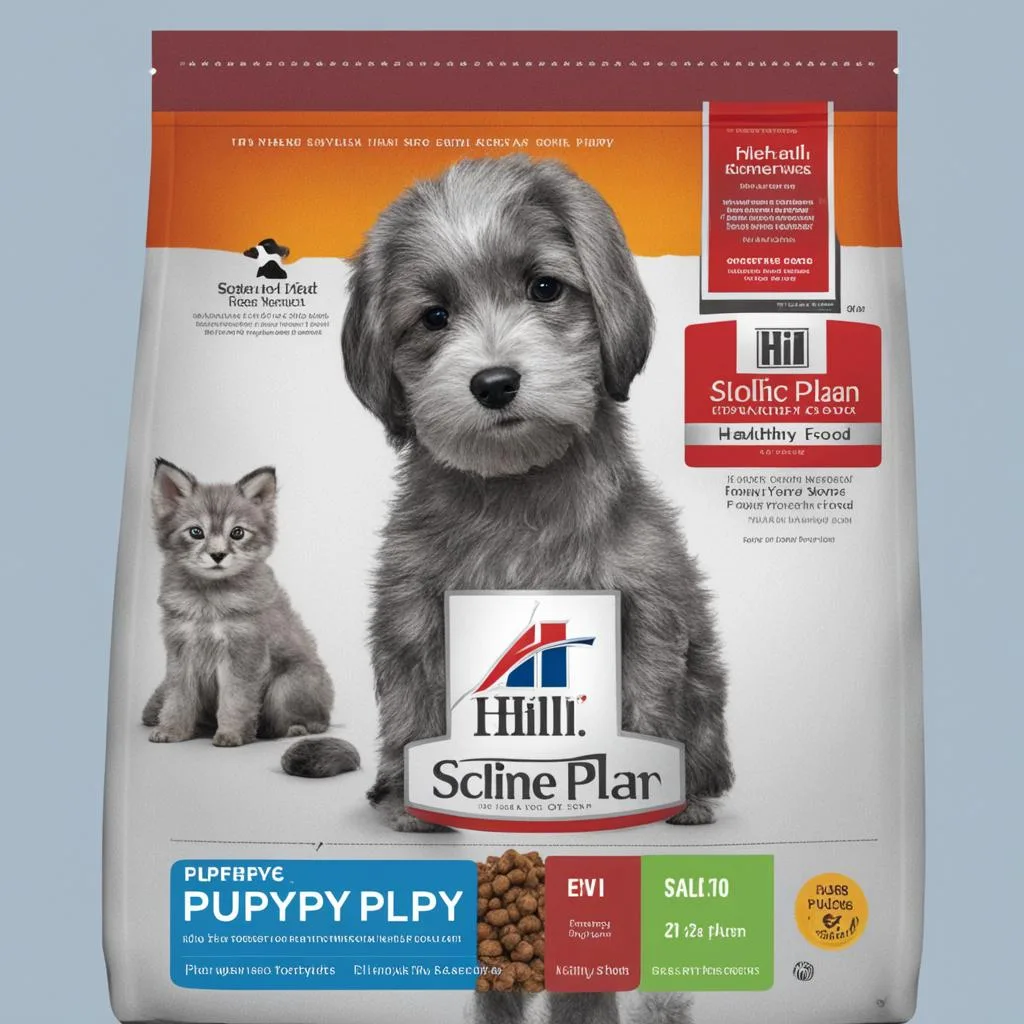
With so many puppy food options on the market, it can get overwhelming determining what’s best. Premium brands like Hill’s Science Diet formulate recipes specifically for a puppy’s needs with nutrient-dense ingredients. This supports bone, brain, eye, and immune system development.
Key Benefits of Hill’s Science Diet Puppy Foods
- Veterinarian recommended
- Made with natural, high-quality ingredients
- Formulated for a puppy’s nutritional needs
- Supports healthy development
- Easy to digest
Ingredients That Provide a Strong Nutritional Foundation
Both dry and wet Hill’s Science Diet puppy food contains ingredients like chicken, lamb, rice, barley, carrots, healthy oils and more. This combination of proteins, grains, veggies and fruits mirrors what a pup would eat in nature. It gives them the strong nutritional base they need.
Tips for Transitioning Your Puppy to Hill’s Science Diet
Switching foods can sometimes upset a puppy’s sensitive tummy. To help avoid digestive issues, transition gradually by mixing increasing amounts of Hill’s Science Diet with the previous food over 5-7 days.
Tailoring Nutrition to Breed Size and Growth Rates
One of the most critical aspects of puppy nutrition is understanding that a “one size fits all” approach can be detrimental to long-term skeletal health. Hill’s Science Plan recognizes this by offering specific formulas for small, medium, and large breed puppies. The growth trajectory of a Chihuahua is vastly different from that of a Great Dane, and their food must reflect these biological realities.
For large breed puppies—those expected to weigh over 25kg as adults—the primary concern is controlled growth. If a large breed puppy grows too quickly, their bones may not develop the density required to support their rapidly increasing body weight, leading to developmental orthopedic diseases (DOD) such as hip dysplasia or osteochondrosis. Hill’s Large Breed Puppy formulas are engineered with a lower caloric density and strictly controlled calcium-to-phosphorus ratios. This ensures that the skeleton matures at a pace that matches muscular development, providing a sturdy frame for the dog’s future.
Conversely, small and mini breed puppies have incredibly high metabolic rates. They often reach their full adult size by 8 to 10 months and require a higher concentration of energy per gram of kibble. Because their mouths are smaller, the kibble size in Hill’s Small & Mini range is physically reduced to prevent choking and to encourage proper chewing, which aids in mechanical plaque removal. These formulas often include higher levels of antioxidants to support the long lifespan typical of smaller breeds, starting from the very first weeks of weaning.
The Role of DHA and Essential Fatty Acids in Cognitive Development
While physical growth is the most visible change in a puppy, the internal development of the brain and central nervous system is equally rapid. Hill’s Science Plan incorporates Docosahexaenoic Acid (DHA), a specific type of Omega-3 fatty acid typically derived from high-quality fish oil. DHA is a primary structural component of the brain and the retina of the eye.
Clinical studies have shown that puppies fed diets enriched with DHA exhibit improved trainability and cognitive function. This is because DHA facilitates better communication between neurons. When you are teaching a young dog basic commands like “sit” or “stay,” a brain fueled by adequate fatty acids can process and retain that information more effectively. Beyond the brain, these essential fatty acids contribute to the “skin barrier” function. A puppy’s skin is their first line of defense against environmental allergens; the Omega-6 fatty acids found in Hill’s recipes work in tandem with Vitamin E to nourish the skin and produce a noticeably shiny, soft coat.
It is important to note that the DHA levels in Hill’s are precisely measured to be bioavailable. Some lower-quality foods may list Omega-3s on the label, but if they are sourced from flaxseed alone, the puppy’s body must convert the ALA (alpha-linolenic acid) into DHA, a process that is notoriously inefficient in canines. By using direct sources like fish oil, Hill’s ensures the puppy receives the functional nutrients immediately.
Advanced Ingredient Analysis: Beyond the Primary Protein
While the existing discussion mentions chicken and lamb, the efficacy of Hill’s Science Plan lies in the synergistic effect of its secondary ingredients. For instance, the inclusion of beet pulp is a deliberate choice for digestive health. Beet pulp is a moderately fermentable fiber that provides a food source for beneficial gut bacteria (probiotics) while adding enough bulk to the stool to ensure regular bowel movements and easy cleanup for the owner.
You will also find specific mineral complexes in these recipes. Unlike generic puppy foods that might use inorganic mineral salts, Hill’s focuses on balanced mineral levels to prevent toxicity or deficiency. For example, excessive sodium can be hard on developing kidneys, so Hill’s maintains a strict upper limit on salt content while ensuring there is enough to support fluid balance and nerve transmission.
The use of maize (corn) and wheat in some formulas is often a point of contention for pet owners, but in the context of Science Plan, these are processed to be highly digestible. They serve as essential carbohydrate sources that provide the glucose needed for a puppy’s boundless energy. By finely grinding and cooking these grains at specific temperatures, Hill’s breaks down the starch structures, making them easy for the puppy’s enzymes to process without causing the gas or bloating often associated with raw or poorly processed grains.
Managing Feeding Schedules and Caloric Density
Understanding how much to feed is just as important as what to feed. Puppies have small stomachs but massive energy requirements. For the first few months after weaning (typically 8 to 16 weeks), it is often recommended to split the daily ration into three or even four small meals. This prevents the “blood sugar crash” that can occur in high-energy breeds and reduces the risk of stomach distension.
Hill’s Science Plan provides a feeding guide on every bag, but these should be viewed as a starting point rather than a rigid rule. A puppy’s metabolism is influenced by their environment; a puppy living in a cold climate or one that spends hours playing at a doggy daycare will burn significantly more calories than a more sedentary pup. To check if you are feeding the right amount, perform a weekly “rib check.” You should be able to feel the puppy’s ribs easily under a thin layer of fat, but they should not be visibly protruding. If the waistline disappears when viewed from above, it may be time to slightly reduce the portion size.
Owners should also be wary of “heart-to-bowl” feeding—the tendency to add toppers or table scraps. Because Hill’s is so precisely balanced, adding significant amounts of outside food can dilute the nutrient density of the diet. If you use treats for training, ensure they account for no more than 10% of the puppy’s daily caloric intake, and adjust the amount of kibble accordingly to prevent early-onset obesity.
Combining Wet and Dry Food for Optimal Hydration and Palatability
Many owners wonder whether they should choose kibble or canned food. In reality, a “mixed feeding” approach often provides the best of both worlds. Hill’s Science Plan Puppy wet foods, such as the Savory Stews or the Classic Chicken Mousse, provide high moisture content which is essential for urinary tract health and hydration, especially for puppies that aren’t frequent drinkers.
The wet food is also highly aromatic, which can be a lifesaver during the teething phase. Between 4 and 6 months of age, a puppy’s gums can become incredibly sore as their adult teeth emerge. During this time, they may be reluctant to crunch down on hard kibble. Mixing a portion of Hill’s wet food with the dry kibble, or even soaking the kibble in warm water for a few minutes, creates a softer texture that encourages them to keep eating despite the discomfort.
From a behavioral perspective, providing different textures can prevent the development of “picky eater” syndrome later in life. Exposing a puppy to various mouthfeels (the crunch of kibble vs. the softness of pate) during their critical socialization window (up to 16 weeks) helps them become more adaptable adults. Just ensure that both the wet and dry components are from the Hill’s Puppy range to maintain a consistent nutritional profile.
Decoding Stool Quality and Digestive Health Indicators
While it isn’t the most pleasant topic, a puppy’s stool is a direct window into their internal health and the quality of their diet. When a puppy is on a high-quality, highly digestible food like Hill’s Science Plan, the “output” should be relatively small, firm, and dark brown. Because the ingredients are efficiently absorbed by the small intestine, there is less waste left over to be excreted.
If you notice stools that are consistently voluminous, yellowish, or extremely foul-smelling, it may indicate that the puppy is struggling to malabsorb certain nutrients or that the fiber balance isn’t quite right for their specific gut microbiome. Hill’s addresses this through their “ActivBiome+” technology in certain lines, which uses a proprietary blend of prebiotics to nourish the gut’s unique ecosystem. This helps stabilize the digestive tract during times of stress, such as when a puppy moves to a new home or receives vaccinations.
Occasional bouts of soft stool are common in puppies due to their habit of eating things they shouldn’t in the garden. However, if the softness persists after a transition period, it is worth checking the feeding amount. Overfeeding is one of the most common causes of loose stools in puppies; the digestive system simply becomes overwhelmed by the volume of food and pushes it through too quickly. Reducing the portion size by 10% for a few days often resolves the issue.
Long-Term Storage and Maintaining Nutritional Integrity
The nutritional value of Hill’s Science Plan is at its peak the moment the bag is sealed at the factory. Once opened, exposure to oxygen, light, and heat begins to degrade the vitamins and oxidize the fats. To ensure your puppy is getting the full benefit of the DHA and antioxidants mentioned earlier, proper storage is paramount.
It is a common mistake to pour the kibble out of the bag and into a plastic bin. Many plastic containers are not food-grade and can leach chemicals into the food. Furthermore, residual fats from previous bags can cling to the walls of the bin and turn rancid, contaminating the new food. The best practice is to keep the kibble inside its original Hill’s bag, which is designed with specialized liners to preserve freshness. You can then place the entire bag inside an airtight container for double protection against pests and humidity.
Frequently Asked Questions
Is Hill’s Science Diet good for puppies?
Yes, Hill’s Science Diet puppy food provides complete and balanced nutrition to support healthy growth and development.
At what age should puppies be switched to adult food?
Around 12 months, but always follow feeding guidelines based on your puppy’s age, size and activity level.
Does Hill’s Science Diet contain fillers?
No, Hill’s uses high-quality natural ingredients with nutrients puppies need like proteins, vitamins, and minerals.
Is Hill’s Science Diet easily digestible?
Yes, natural digestible ingredients and precise nutrient ratios make it easy to absorb and gentle on puppy tummies.
What is the feeding amount for a puppy?
Amount varies based on age, size, and activity level. Follow package guidelines or ask your veterinarian.