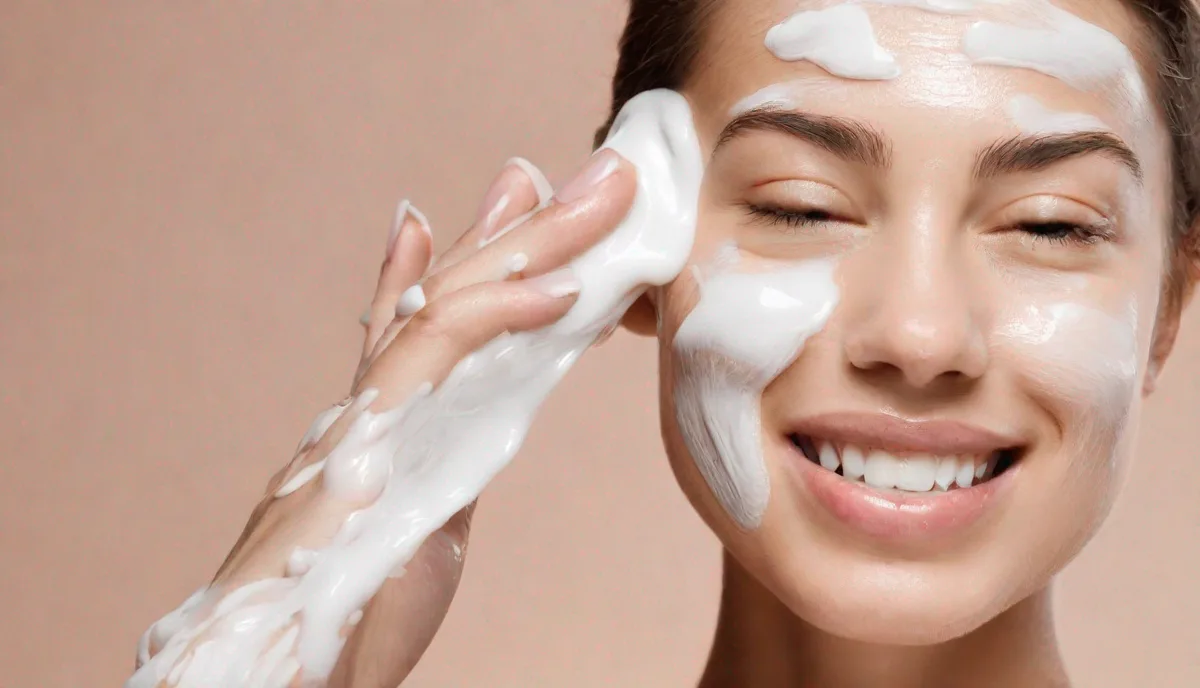
The Benefits of Cleansing Balms
Cleansing balms have become quite popular in recent years as a gentle, nourishing way to remove makeup and cleanse the skin. Made from plant oils, butters, and waxes, these balms melt into an oil when massaged onto dry skin and lift away impurities without stripping the skin.
Why Try a Cleansing Balm?
- Gentle yet effective cleansing for all skin types
- Melts away makeup and sunscreen easily
- Removes impurities without drying out the skin
- Soothes, nourishes, and protects skin
How to Use a Cleansing Balm
Using a cleansing balm is simple:
- Start with dry skin and scoop out about a dime-sized amount of balm.
- Warm it between your fingers to melt, then massage gently all over your dry face.
- The balm will turn into an oil as you massage. Rinse thoroughly once finished.
- You can use a washcloth and warm water if needed to remove any residue.
Choosing the Best Cleansing Balm
With more brands making cleansing balms, how do you pick the right one for your skin? Here are a few tips:
- See the ingredients list – Nourishing plant oils and butters are best.
- Avoid added fragrance which can irritate skin.
- Consider your skin type when choosing lightweight or richer balms.
- Always patch test before applying to your whole face.
DIY Cleansing Balm Recipe
You can even make your own custom cleansing balm at home with just a few ingredients:
Ingredients
- 1⁄4 cup oil of your choice (sweet almond, olive, grapeseed etc)
- 1⁄4 cup butter or wax (cocoa, shea, beeswax etc)
- 10-15 Drops essential oil for scent (optional)
Instructions
- Gently melt your chosen oil and butter/wax in a double boiler.
- Let cool slightly and add essential oils if using.
- Pour into a jar and allow to set fully before using.
The Chemistry of Emulsification: Why Rinsing Matters
Understanding why cleansing balms work requires a brief look at the science of emulsification. Most high-quality cleansing balms contain an emulsifying agent—often listed as PEG-sorbitan or similar surfactants—that allows the oil-based formula to transform into a milky emulsion upon contact with water. This phase change is critical because it enables the balm to bind with both oil-soluble impurities (like sebum, SPF, and makeup) and water-soluble debris (like sweat and dust). Without proper emulsification, the product may leave a greasy, occlusive film on the skin, which can lead to clogged pores or milia. To maximize this, always take an extra thirty seconds to massage your face with wet fingertips after the initial dry massage; this water activation is what ensures the product rinses clean, leaving the skin barrier intact rather than coated.
Navigating Comedogenic Ratings for Acne-Prone Skin
One of the most persistent myths is that all cleansing balms trigger breakouts. In reality, the comedogenicity of a balm depends entirely on its base ingredients. If you are acne-prone, check the label for highly comedogenic oils like coconut oil or cocoa butter, which occupy the higher end of the 0-5 scale. Instead, prioritize balms formulated with non-comedogenic bases such as sunflower seed oil, grapeseed oil, or squalane. These oils mimic the skin’s natural sebum without clogging follicles. Furthermore, ensure the product is strictly ‘rinse-off’ and does not contain heavy waxes like beeswax or paraffin if you struggle with congestion, as these can be notoriously difficult to remove completely from the skin surface.
The Double Cleansing Technique: When and How
While a cleansing balm is a powerhouse, it is often best utilized as the ‘Step One’ in a double-cleansing routine, particularly for those living in urban environments or wearing long-wear makeup. By using the balm first to dissolve the stubborn top layer of debris, you create a clean canvas for a second, water-based cleanser. This second step is essential for addressing specific skin concerns—such as using a salicylic acid cleanser for texture or a hydrating glycerin-based wash for dryness. By separating the ‘dissolving’ phase from the ‘treating’ phase, you ensure that your active ingredients in subsequent steps (like serums or moisturizers) can penetrate more effectively, as they aren’t fighting through a layer of residual oil or makeup.
Environmental Considerations and Sustainable Packaging
As the popularity of cleansing balms grows, so does the impact of their packaging. Balms are inherently more eco-friendly than liquid cleansers because they are anhydrous (water-free), which means they don’t require heavy plastic bottles to hold large volumes of water and can often be packaged in infinitely recyclable glass or aluminum. When shopping, look for brands that prioritize ‘refillable’ pods. Since balms are shelf-stable and resistant to bacterial growth due to their lack of water, they are perfect candidates for refill models. Choosing a brand that uses biodegradable spatulas or eliminates plastic pumps can significantly reduce your daily carbon footprint while maintaining a high-end skincare ritual.
Seasonal Adjustments to Your Balm Routine
Your skin’s needs fluctuate with the seasons, and your cleansing balm usage should adapt accordingly. In the dry, winter months, the occlusive nature of a rich balm provides a protective lipid layer that prevents transepidermal water loss (TEWL) during the cleansing process. You might even opt to leave a very thin layer on for an extra moment before rinsing. Conversely, during humid summers, your skin might produce more sweat and sebum, making a heavy, shea-butter-based balm feel too suffocating. In hotter weather, look for ‘sorbet’ or ‘sherbet’ style balms that have a lighter, gel-like texture and a lower melting point, which feel refreshing rather than heavy on the skin.
Troubleshooting Common Application Errors
If you find that your cleansing balm is ‘pilling’ or leaving a hazy film over your eyes, you are likely using too much product or applying it too close to the lash line without proper emulsification. A common mistake is using a washcloth that is too abrasive; while cloths help with exfoliation, using a rough towel daily can lead to micro-tears and irritation. If you prefer using a cloth, choose a soft, microfiber or bamboo muslin cloth and use a gentle patting motion rather than scrubbing. Additionally, if the balm feels impossible to wash off, the water temperature might be too cold; always use lukewarm water, as hot water can strip the skin, but cold water will fail to break down the waxes and oils efficiently.
The Role of Botanical Extracts in Balm Efficacy
Beyond the base oils, many modern cleansing balms are infused with botanical extracts that provide therapeutic benefits during the massage phase. Ingredients like chamomile and calendula offer anti-inflammatory properties, making them ideal for skin prone to redness or reactivity. Others include antioxidant-rich extracts like green tea or sea buckthorn, which help neutralize free radicals introduced by environmental pollutants throughout the day. When selecting a balm, consider these additions as ‘bonus’ skincare; since the product stays on your skin for at least one to two minutes during the massage, these extracts have a genuine window of opportunity to soothe the complexion before being rinsed away.
FAQ
What is the difference between a cleansing balm and oil?
Cleansing balms have a thicker, balm-like texture due to containing plant butters and waxes. The oils in a balm allow it to melt into a nourishing oil when massaged onto skin.
Are cleansing balms safe for sensitive skin?
Many cleansing balms are formulated specifically for sensitive skin types. Look for simple, nourishing ingredients free of common irritants.
Can you use cleansing balms on acne-prone skin?
Gentle, non-comedogenic cleansing balms may work for some acne-prone skin. Perform a patch test first, and ensure balms are rinsed thoroughly.
How often can you use a cleansing balm?
For most skin types, safely using a cleansing balm 1-2 times daily is fine. Listen to your skin and cut back if it feels dry or irritated.
Should you use a cleanser after a cleansing balm?
Not usually necessary. Rinsing thoroughly with water is typically enough. But if makeup/sunscreen residue remains, follow with a gentle water-based cleanser.
Related posts:
 Proper Order of Skincare Application
 The Slow Beauty Movement’s Secret Hydration Recipes
 Gentle Cleansing Tips for Sensitive Skin Types
 The Key Differences Between Serums, Oils, Moisturizers, and Balms
 Too Clean for Comfort: Why Being Squeaky Clean Might Be Bad for Your Skin
 The Tinted Lip Balm Trend Taking Over Beauty
 Foundation’s Impact on Skin
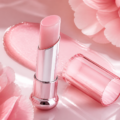 Buxom Power-Full Plump Lip Balm