As the weather warms up and we spend more time outdoors, using sunscreen is crucial for protecting our skin. While conventional sunscreens often contain concerning chemicals, natural options using mineral active ingredients like zinc oxide and non-nano titanium dioxide get the job done without questionable additives.
Key takeaways
- Choose non-nano zinc oxide or titanium dioxide to ensure mineral particles are not absorbed into the bloodstream.
- Apply sunscreen as the final skincare step, waiting five minutes after moisturizing to prevent clumping and white streaks.
- Use tinted mineral formulas or warm the product in your palms to reduce visible white residue on the skin.
- Store natural sunscreens in cool, dark places to prevent heat from degrading botanical oils and active ingredients.
- Look for Broad Spectrum labels to ensure protection against both aging UVA rays and burning UVB rays.
We’ve curated our favorite natural sunscreen picks that rub in easily, don’t leave a white cast, and most importantly, protect skin safely and effectively using clean ingredients.
Badger Sport Sunscreen Cream

This reef-safe formula goes on sheer using non-nano zinc oxide along with sunflower vitamin E, jojoba oil, and beeswax to moisturize while protecting. It’s water resistant for up to 80 minutes so it will hold up to sweat and splash.
Goddess Garden Sport Natural Sunscreen

Ideal for active days, this fast-absorbing sunscreen lotion uses 20% non-nano zinc oxide to deliver broad spectrum SPF 30 protection. It’s water resistant for up to 80 minutes and enhanced with moisturizing organic aloe and shea butter.
All Good Sport Sunscreen Stick

For targeted application on the face and nose without touching the product, this handy sunscreen stick is key. With 20% non-nano zinc oxide and organic calendula to calm and heal skin, it’s ideal for runners, cyclists, golfers and anyone who wants mess-free SPF.
Raw Elements Eco Formula Sunscreen

A top choice for ocean lovers, this reef-safe lotion uses 23% non-nano zinc oxide for guaranteed protection even after 80 minutes of swimming or sweating. Sunflower oil, green tea and other botanicals nourish skin too.
Sun Bum Mineral Sunscreen Lotion

Ideal for families, this fast-absorbing SPF 30 lotion blends skin-loving argan oil and sunflower oil with 20% non-nano zinc oxide for safe broad spectrum protection. It’s also vegan and reef friendly.
Decoding Labels: The Science of Non-Nano Particle Sizes
While “non-nano” is a buzzword in the clean beauty space, it refers to a specific physical measurement: the particle size of the mineral active ingredient. To be classified as non-nano, zinc oxide or titanium dioxide particles must be larger than 100 nanometers. This size threshold is crucial because it ensures the mineral particles are too large to be absorbed through the skin barrier and into the bloodstream, a common concern with chemical filters. When shopping, look for third-party certifications like the Protect Land + Sea certification, which verifies the absence of nano-sized particles that can potentially cause cellular stress or disrupt endocrine systems. Understanding this distinction helps you avoid “hidden” nano-ingredients that might be marketed as natural but lack the physical integrity required for optimal safety.
The Art of Layering: Sunscreen and Your Skincare Routine
Integrating mineral sunscreen into a daily regimen can be tricky, especially when using serums or moisturizers underneath. The golden rule is to apply your sunscreen as the final step of your skincare routine, but before makeup. If you use a vitamin C serum or a heavy moisturizer, allow at least three to five minutes for these products to fully sink into the dermis. If you apply sunscreen over damp or tacky skin, the mineral particles may clump, leading to an uneven application and a streaky “white cast” appearance. For those who wear makeup, consider a mineral powder sunscreen for mid-day reapplication; it provides a matte finish without disturbing your foundation or concealer, acting as a functional touch-up rather than a messy re-smear.
Understanding Broad Spectrum and SPF Ratings
Many consumers mistakenly believe that a higher SPF rating provides significantly more protection, but the difference between SPF 30 and SPF 50 is often marginal. SPF 30 blocks approximately 97% of UVB rays, while SPF 50 blocks about 98%. The real efficacy of a natural sunscreen lies in its “broad spectrum” designation, which confirms the product protects against both UVA and UVB rays. UVA rays penetrate deep into the skin, contributing to premature aging and DNA damage, while UVB rays are responsible for surface-level sunburns. Because mineral sunscreens work by creating a physical barrier that reflects light, they are inherently broad-spectrum. However, ensure the label specifically states “Broad Spectrum” to guarantee that the formulation has been tested to provide balanced coverage across the entire UV wavelength spectrum.
The Challenge of “White Cast” and How to Overcome It
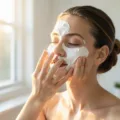
The primary complaint against mineral sunscreen is the ghostly white residue it can leave behind, particularly on deeper skin tones. This occurs because zinc oxide and titanium dioxide are white pigments that sit on the skin’s surface. To mitigate this, look for tinted mineral sunscreens. These formulations incorporate iron oxides—natural pigments that match a variety of skin tones—to neutralize the white reflective properties of the minerals. If you prefer a clear formula, experiment with “whipped” or “mousse-style” mineral sunscreens, which often contain air-infused textures that spread more thinly and transparently. Additionally, warming the product in your palms before massaging it into the skin in small, circular motions rather than long strokes can help the minerals distribute more evenly, significantly reducing the visible white layer.
Environmental Impact: Beyond Just Reef Safety
While reef safety is a vital component of choosing a sunscreen, the environmental impact extends to freshwater ecosystems as well. Many chemical filters are persistent pollutants in lakes, rivers, and even municipal wastewater systems. When you rinse off mineral sunscreen in the shower, the particles are filtered out more effectively than dissolved chemicals, which can pass through treatment plants and accumulate in aquatic habitats. Furthermore, look for packaging that prioritizes sustainability. Many boutique natural sunscreen brands are moving toward post-consumer recycled (PCR) plastics, aluminum tins, or biodegradable cardboard tubes. By choosing brands that avoid plastic pumps—which are notoriously difficult to recycle due to their mixed-material components—you reduce the total footprint of your sun care habit beyond just the ingredients inside the bottle.
Storage and Shelf Life: Protecting Your Protection
Natural sunscreens are often formulated without the aggressive synthetic preservatives found in conventional tubes, which means they are more susceptible to heat degradation and bacterial growth if stored improperly. Avoid leaving your sunscreen in a hot car or in direct sunlight on a beach towel, as excessive heat can cause the oil-based ingredients to separate or the active minerals to lose their structural stability. If you notice a change in the scent, color, or a significant separation of oils that doesn’t disappear after a vigorous shake, it is time to discard the product. To extend the shelf life, store your sunscreen in a cool, dark place, such as a dedicated skincare bag or a climate-controlled bathroom cabinet. Always check the expiration date, as the active mineral ingredients do not “expire” in the traditional sense, but the stabilizing botanical oils and preservatives eventually lose their efficacy, compromising the integrity of the total formula.
FAQ
Why choose a natural sunscreen?
Natural sunscreens use mineral active ingredients like non-nano zinc oxide and titanium dioxide rather than chemical UV filters like oxybenzone. Mineral sunscreens are effective yet also safer and less irritating for sensitive skin.
What is non-nano zinc oxide?
Non-nano zinc oxide particles are larger in size rather than nano-sized. This makes them safer for both human health and marine environments.
How can you make sunscreen rub in more easily?
Apply sunscreen to bare skin 15 minutes before going outside. This allows it to fully absorb rather than sitting on top of the skin. Reapplication is also key!
Do you need both UVA and UVB protection in sunscreen?
Yes, broad spectrum protection shields skin from both UVA rays that cause aging and UVB rays that burn. All of the mineral sunscreens above provide full broad spectrum coverage.
Can sunscreen really be reef safe?
Mineral sunscreens with non-nano ingredients like zinc oxide and titanium dioxide reflect sunlight rather than being absorbed into ocean life. This makes them the optimal choice for coral reef safety.